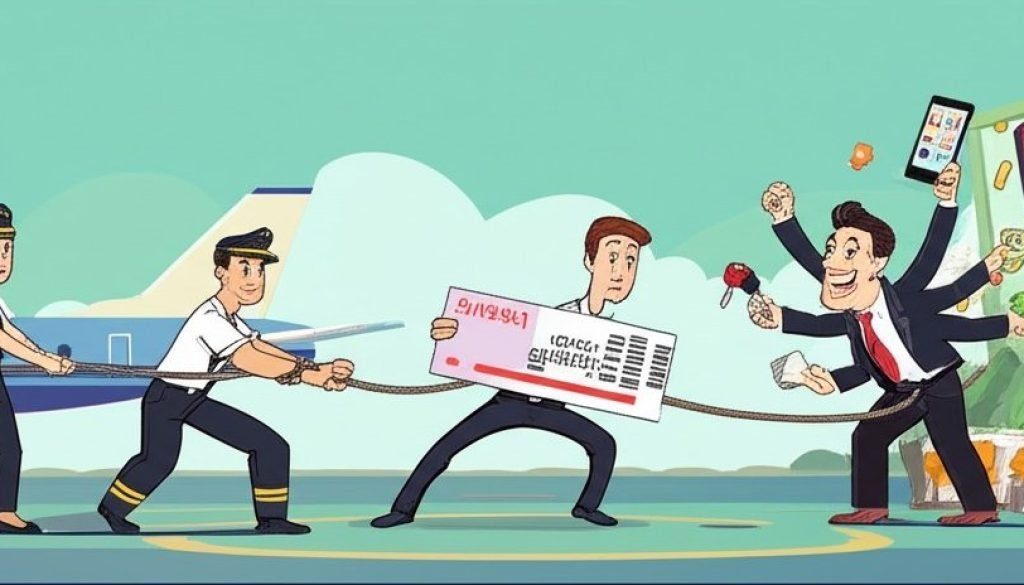
I don’t care how glossy a booking app looks. If it costs me more money or traps me in fine print, it’s a bad deal. The catch is, both airline websites and third‑party platforms are very good at hiding the true cost of a ticket behind marketing and half‑truths.
So let’s strip it down. When does booking direct with the airline actually save you money and stress? When does a third‑party site or app genuinely come out ahead? And how does the answer change for weekend getaways, long‑haul trips, family holidays, or complex multi‑city routes?
Here’s how I really think about direct vs third‑party flight booking—without the sales spin from airlines or online travel agencies.
1. The Price Trap: Why “Cheapest Fare” Often Isn’t the Cheapest Trip
When you search flights, you’re usually shown a big bold number. That’s the bait. The real question is: What will this trip cost me by the time I’m back home?
Third‑party platforms often win the headline price battle. On some routes, you’ll see 20%+ savings and even hundreds of dollars off long‑haul tickets. That’s because OTAs tap into consolidator fares, bulk seat deals, and global distribution systems. On a Sydney–London return, for example, an OTA can sometimes undercut the airline by more than $1,000 in economy if you book months in advance.
But this is where people get burned with third party flight booking risks:
- The OTA fare may have stricter change and cancellation rules than the airline’s own site.
- Service fees for changes can be added on top of the airline’s fees.
- Some cheap fares don’t include bags or seat selection, and the OTA may charge extra just to handle those add‑ons.
On the other side, airlines often match or come close to OTA prices, especially on simple routes. They may also bundle in value: a checked bag, better seat options, or easier same‑day changes. Once you factor in baggage, seat fees, and potential change costs, the “more expensive” direct fare can quietly become the cheaper total trip.
So is it cheaper to book flights direct with the airline? Sometimes. My rule of thumb:
- If the OTA is only $20–$40 cheaper, I usually book direct. The flexibility and support are worth more than that small saving.
- If the OTA is $150+ cheaper per person on a long‑haul economy ticket and I’m not expecting changes, I seriously consider the OTA—but I read every rule twice.
Want to see how different prices can be for the same flight? It’s not unusual for one OTA to be significantly cheaper than both the airline and competing sites for the exact same seat, as shown in comparisons like this one. That’s why a real cost comparison of direct airline booking vs OTAs matters more than just clicking the lowest number.

2. Simple Weekend Trips: When Convenience Beats Cleverness
Now picture a quick Friday–Sunday trip. One destination. One airline. Ideally no checked bags. This is where the decision is less about hacking the system and more about not wasting your time.
For these short domestic or regional hops, the online travel agency vs airline ticket prices are often very close.
Why I often book direct for short, simple trips:
- Prices are usually very similar across airline sites and OTAs for basic domestic routes.
- If something goes wrong (delay, cancellation), I want one party responsible. With a direct booking, the airline can’t blame an intermediary.
- It’s easier to use airline credits, change flights, or apply vouchers when everything lives in the airline’s system.
- I get full credit for frequent flyer miles and status without worrying about odd fare classes that don’t earn properly.
When I still consider an OTA for a short trip:
- When I’m booking a flight + hotel bundle and the package discount is real (not just clever marketing).
- When I’m using an OTA’s loyalty currency or promo (extra points, a big coupon) that meaningfully cuts the cost.
- When I want to compare multiple nearby airports and airlines quickly. I might search via an OTA or Google Flights, then still book direct if the price is close.
For short trips, the risk of a major disruption is lower, but the annoyance factor of dealing with an extra middleman is high. If the savings are small, I’d rather keep it simple and book with the airline.
3. Long‑Haul & International: Big Savings vs Big Headaches
Long‑haul and international flights are where OTAs can shine—and where they can hurt you the most.
On these routes, OTAs sometimes access consolidator fares that airlines don’t show on their own sites. That’s why you’ll occasionally see jaw‑dropping differences: hundreds of dollars off in economy, sometimes real savings in business class too (though usually smaller and with more awkward routings).
But those savings come with strings attached and more third party flight booking risks:
- Change and cancellation rules are often much stricter than the airline’s public fares.
- As departure approaches, the pool of cheap OTA fares dries up. Last‑minute, the price advantage often disappears.
- If your name is entered incorrectly or your schedule changes, fixing it through an OTA can be slow and painful. People really do end up escalating just to correct a name.
On the flip side, booking direct for long‑haul gives you:
- Clearer access to flexible fares (free changes or lower change fees, depending on the airline).
- Better integration with status benefits, lounge access, and credit card perks.
- Priority support when things go wrong—airlines tend to help their own direct customers first.
So what do I do in practice?
- If I’m booking a non‑flexible, long‑haul economy trip 3+ months out and the OTA is dramatically cheaper, I’ll consider the OTA—but only if I’m comfortable treating the ticket as
use it or lose it
. - If I’m booking closer to departure, or I might need to change dates, I almost always book direct, even if it costs more upfront.
- For business class, I’m more cautious with OTAs. The savings are often smaller, and the cost of a mess‑up is much higher.
When you’re weighing the safest way to book international flights, the answer often leans toward booking direct—unless the OTA discount is big enough that you’re willing to accept more hassle if things go sideways.
4. Complex & Multi‑City Trips: Who Do You Want Holding the Puzzle?
Multi‑city trips are where third‑party tools can feel magical. One search, multiple airlines, creative routings, and sometimes cheaper hacker
itineraries that airline sites simply won’t show.
What OTAs do well here:
- They can combine different airlines on outbound and return legs, or across multiple cities, to build cheaper or more convenient itineraries.
- They give you a single dashboard to see all your flights, hotels, and cars.
- They often have better filters and calendars than clunky airline sites, making it easier to tweak layovers, airports, and dates.
But here’s the catch many people miss: those clever multi‑airline roundtrips are often just separate one‑way tickets stitched together.
- Each airline’s change and cancellation policy applies separately.
- If one leg changes, re‑protecting the rest of the trip can be messy.
- In a disruption, airlines and OTAs can end up blaming each other while you sit on hold.
Direct bookings, by contrast, usually keep you within one airline or alliance. That can mean:
- Cleaner handling of schedule changes and rebooking.
- Better protection on missed connections when everything is on one ticket.
- More predictable earning of miles and status credits.
My approach:
- I use tools like Google Flights or big OTAs to design the itinerary and see what’s possible.
- Then I check if I can recreate something similar directly with one airline or alliance, even if it’s slightly more expensive.
- If the OTA itinerary is uniquely good (better times, much cheaper, or necessary for a specific route), I treat it as a higher‑risk, higher‑reward choice and keep all confirmations and rules handy.
This is also where mistakes booking flights on third party websites can really sting. One typo or one schedule change can ripple through a whole chain of tickets.

5. Risk, Flexibility & Customer Service: Who Has Your Back When Things Break?
Most people only discover the real cost of their booking choice when something goes wrong. A schedule change. A storm. A missed connection. A typo in a name.
Here’s the uncomfortable truth: you’re not the OTA’s customer, and you’re not really the airline’s customer either. You’re the revenue. But one of them is at least structurally better positioned to help you.
Direct with the airline:
- The airline controls the ticket and inventory. That means faster reissues, clearer options, and fewer layers of approval.
- When the airline changes the schedule, they can usually fix it directly in their system.
- Special requests—wheelchair assistance, special meals, seat changes—are more reliably handled.
- US airlines must offer 24‑hour free cancellation on eligible bookings; OTAs are not legally required to, though some voluntarily do.
Through an OTA:
- Customer service can be slower, especially during mass disruptions when call centers are overwhelmed.
- Policies can stack: airline rules plus OTA rules, plus OTA service fees.
- Some OTAs are excellent; others are barely reachable. The brand you choose matters a lot.
This is where the flight cancellation policy third party vs airline really shows its teeth. Changing flights booked through a third party can mean extra fees, longer hold times, and less flexibility than if you’d booked direct.
So ask yourself before you book: If this trip goes sideways, who do I want to be on hold with?
If the answer is no one
, you probably want to book direct and pay a bit more for flexibility.
6. Loyalty, Rewards & “Double‑Dipping”: When Points Actually Matter
Points and miles are where things get sneaky. Both airlines and OTAs dangle rewards, but they’re not equal.
Booking direct with airlines:
- You reliably earn frequent flyer miles and status credits (subject to fare class).
- Elite status perks—better seats, upgrades, priority services—are more likely to apply smoothly.
- Some airline‑direct fares include extras (bags, seat selection) that make the total value higher than a bare‑bones OTA fare.
Booking via OTAs and portals:
- You can sometimes double‑dip: earn airline miles and OTA rewards (like OneKeyCash or similar).
- Credit card travel portals let you pay with points instead of cash, which can be useful if you’re cash‑constrained.
- Some OTA fares, especially the very cheap ones, may earn reduced or no miles depending on the airline and fare class.
If you travel often enough to chase status, booking direct is usually the smarter long‑term play. If you’re an occasional traveler who doesn’t care about elite tiers, a chunky OTA discount or a big credit card portal promo might be more valuable than a small pile of miles you’ll never really use.
7. Matching Booking Strategy to Trip Type: A Simple Playbook
Let’s turn all of this into something you can actually use when you’re staring at three tabs and five different prices.
For short domestic or regional trips:
- Use OTAs or Google Flights to search and compare.
- If the airline is within $20–$40 of the cheapest OTA, book direct.
- Consider OTAs only if a bundle (flight + hotel) or promo code makes a meaningful difference.
For long‑haul economy with fixed dates (booked 3+ months out):
- Check both airline and OTA prices carefully and look at the round trip flight price difference direct vs OTA, not just one‑way.
- If the OTA is hundreds cheaper and you’re comfortable with low flexibility, it can be worth it.
- Read the fare rules and change/cancellation policies like a contract—because that’s what they are.
For trips where flexibility matters (family trips, work travel, uncertain dates):
- Prioritize direct bookings with airlines.
- Look for fares with reasonable change terms, even if they cost more.
- Factor in the value of your time and stress if plans change.
For complex multi‑city or multi‑airline itineraries:
- Use OTAs and meta‑search tools to design the route.
- Try to rebuild it with one airline or alliance direct; if you can’t, decide if the OTA’s complexity is worth the savings.
- Keep all confirmations, ticket numbers, and rules saved offline in case you need them mid‑trip.
For points and rewards players:
- If you’re chasing status, lean heavily toward direct.
- If you’re burning credit card points and don’t care about status, portals and OTAs can be fine—just watch the fare rules.
And for last minute flight deals, direct vs third party can flip quickly. Sometimes airlines dump last‑minute inventory on their own sites; other times OTAs still have access to slightly cheaper buckets. It’s worth checking both, but don’t forget to factor in hidden fees on third party flight sites before you decide.
8. The Bottom Line: Don’t Outsource Your Judgment to a Search Box
There’s no single right answer to Is it better to book direct or through a third party?
That’s the wrong question.
The better question is:
For this specific trip, what am I really optimizing for—price, flexibility, simplicity, or rewards?
Once you’re honest about that, the choice usually becomes obvious:
- If you want maximum reliability and easier fixes when things go wrong, book direct. Airline customer service for third party bookings is rarely as smooth as for their own.
- If you want maximum savings and can tolerate risk and hassle, a reputable OTA can absolutely save you real money—especially on long‑haul economy.
- If you want the best of both, use OTAs and meta‑search tools to find routes and prices, then see how close the airline can get. Often, it’s close enough to justify going direct.
Don’t let a single bold price decide for you. Look at the total cost, the rules, and the worst‑case scenario. Then choose the option you’ll still be happy with if your flight is delayed, your plans change, or your trip suddenly gets complicated. That’s where the real savings are.