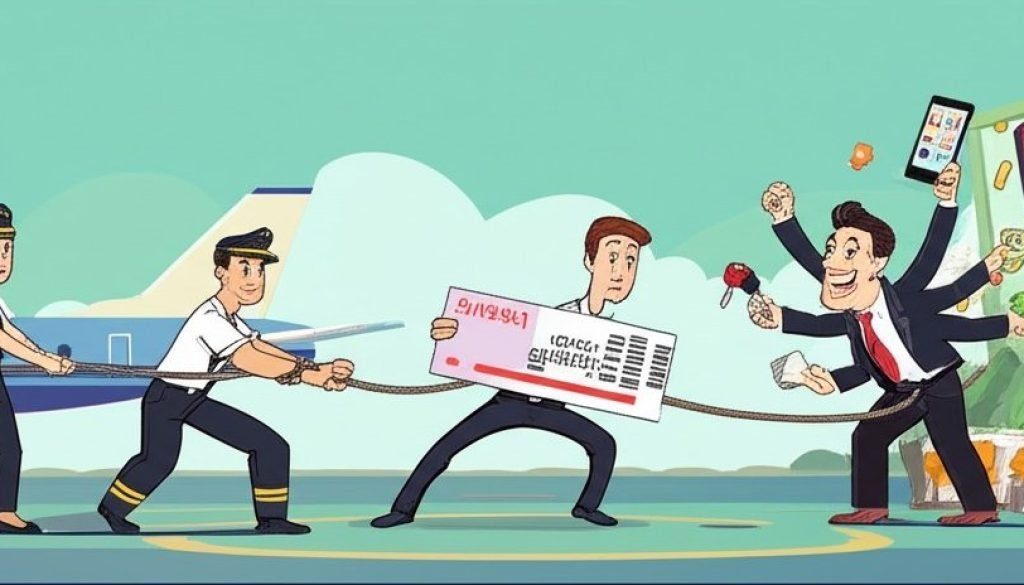
I don’t care how often you fly – at some point you’ve stared at two tabs, one from an airline and one from an online travel agency (OTA), and thought: Am I about to save money, or buy myself a headache?
What follows isn’t theory. It’s how I actually decide when to book flights directly with airlines and when booking flights through online travel agencies makes more sense – with real trade‑offs around cost, perks, and what happens when things go sideways.
1. Start With the Core Question: What Matters Most on This Trip?
Before you even open a search engine, pause for 30 seconds and ask yourself:
- Is this trip time‑critical? Wedding, cruise departure, important meeting, tight connections?
- How flexible am I? Can I move dates or routes if needed, or is everything locked in?
- How much do I care about miles and status? Are you chasing elite status, upgrades, or lounge access?
- How much stress can I tolerate if something breaks? Be honest with yourself here.
From there, my rule of thumb for airline vs OTA flight booking is simple:
- If reliability, status, and easy problem‑solving matter most → I lean airline‑direct.
- If price and creative route options matter most → I seriously consider OTAs.
Everything else in this guide is just refining that one decision for different situations.
2. Chasing the Lowest Fare: When OTAs Actually Save You Real Money
Let’s start with the main reason people use OTAs: they can be cheaper. Sometimes a lot cheaper.
OTAs plug into global distribution systems, consolidators, and airline partnerships. That’s how you occasionally see the exact same Qatar, United, or Emirates flight hundreds of dollars cheaper on an OTA than on the airline’s own site. On some long‑haul routes, people have found differences of around $1000 on the same flights when booked via an OTA instead of direct.
Why does this happen? A few reasons:
- Bulk or consolidator fares: OTAs sometimes get access to discounted inventory that airlines don’t advertise publicly.
- Incentives and commissions: Airlines quietly reward OTAs for filling seats, and OTAs can pass some of that on as lower prices.
- Mixed‑carrier itineraries: OTAs can stitch together different airlines (including low‑cost carriers) into one trip that no single airline would sell you.
But cheaper isn’t always better. Those low fares often come with strings attached:
- Stricter change and cancellation rules than the airline’s own public fares.
- Higher fees if you need to modify anything.
- Less flexibility close to departure – the best OTA deals tend to be for advance purchase, especially on long‑haul.
So when I’m doing a flight booking cost comparison: airline vs OTA, I ask myself:
- Is the OTA saving me “annoying money” or “life‑changing money”? If it’s $20–$40, I usually book direct. If it’s $300–$800+ on a long‑haul, I’ll seriously consider the OTA.
- What’s the fare class and what are the rules? I always click through to the fare conditions. If changes are basically impossible, I only book if my plans are rock solid.
One more twist: sometimes the airline is cheaper. On short‑haul or regional routes, airlines often run their own promos and undercut OTAs. That’s why I never trust a single search result when deciding if it’s cheaper to book flights direct or via an OTA.
3. When Things Go Wrong: Who Do You Want on Your Side?
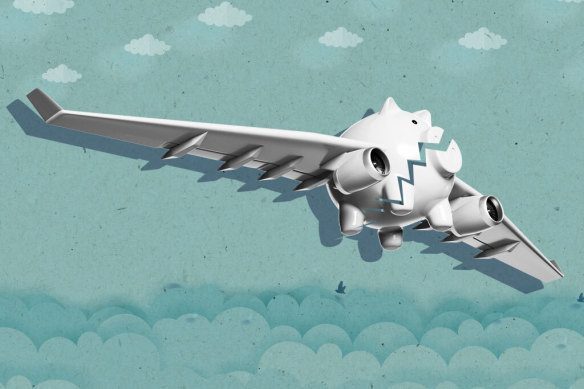
This is where the decision really matters. Flights get delayed, schedules change, storms hit, strikes happen. When that happens, who you booked with decides who has to help you.
With an airline‑direct booking:
- You have one counterparty. The airline owns your ticket and your problem.
- Agents can usually rebook you, issue credits, or reroute you without a third party in the way.
- Airline apps and websites often let you self‑service changes during disruptions.
With an OTA booking:
- The airline often says,
We can’t touch this, you booked through an agent.
- The OTA may say,
We’re waiting on the airline’s approval.
- You can get stuck in a blame loop at the worst possible time – at the airport, with a line behind you.
Smaller or ultra‑cheap OTAs often keep prices low by cutting customer service. That can mean:
- Long hold times.
- Limited hours.
- Extra “service fees” for changes on top of airline penalties.
So my rule here is blunt when I think about airline customer service vs OTA support:
- If I absolutely must arrive on time (weddings, cruises, key meetings), I book direct.
- If I book via an OTA, I stick to big, reputable names that clearly show their change/cancellation policies and ideally offer 24‑hour cancellation.
And I always assume: the cheaper the OTA, the more I’m on my own if something breaks.
4. Loyalty, Upgrades and Perks: Are You Leaving Value on the Table?
If you care about miles, status, and upgrades, the booking channel matters more than most people realize.
With airline‑direct bookings:
- You’re usually guaranteed mileage and status credit as long as the fare class is eligible.
- Your elite perks (priority boarding, free bags, better seats) are more reliably recognized.
- You often have a better shot at complimentary upgrades or preferred seats.
- Some airlines offer extra miles or discounts for booking in‑app or on their site.
With OTAs:
- You usually still earn miles, but not always status credit, depending on fare type and airline rules.
- Some OTAs have their own loyalty programs (Expedia, Orbitz, etc.), so you can double‑dip: OTA points + airline miles.
- Certain airlines quietly de‑prioritize third‑party tickets for upgrades and special treatment.
If I’m chasing status or flying in premium cabins, I almost always book direct. The hidden value of miles, status, and smoother treatment can easily outweigh a modest OTA discount.
If I don’t care about status on that airline and the OTA is significantly cheaper, I’m more willing to trade loyalty benefits for cash savings. That’s one of the big direct airline booking benefits you have to weigh against a tempting OTA deal.
5. Special Requests, Seat Selection and Add‑Ons: How Much Control Do You Need?
Think about everything that happens after you buy the ticket:
- Choosing or changing seats.
- Adding bags, Wi‑Fi, or meals.
- Requesting wheelchair assistance or special meals.
- Adding frequent flyer numbers or known traveler IDs.
With direct bookings, this is usually straightforward. The airline’s system knows you, your status, and your preferences. You can log in, tweak things, and see changes instantly.
With OTA bookings, a few things can get messy:
- The airline’s site may limit what you can change because the ticket is “agency‑controlled.”
- Seat selection might be blocked or only partially available.
- Special requests can fall through the cracks between systems.
For simple, no‑frills economy flights, this might not matter. But if you:
- Need guaranteed seats together as a family.
- Have accessibility needs.
- Care a lot about specific seats or cabin layout.
…then booking direct is usually worth it. You’re buying control, not just a seat.
6. 24‑Hour Cancellation, Credits and Flexibility: Read the Fine Print
Here’s a subtle but important difference that trips people up when comparing OTA vs airline ticket changes and cancellations.
In the U.S., airlines are generally required to offer either:
- 24‑hour free cancellation after booking, or
- 24‑hour free hold before ticketing.
This rule mostly applies to tickets booked directly with airlines. OTAs are not automatically covered. Some big OTAs (like Expedia, Orbitz, Travelocity) voluntarily offer 24‑hour cancellation on many tickets, but not all, and not everywhere.
So I always check:
- Does this OTA explicitly say “free 24‑hour cancellation” on this fare?
- Is it a full refund to my card, a credit, or a fee‑based cancellation?
On top of that, airlines have become more flexible with changes and credits, especially post‑2020. Direct bookings often get:
- More generous change policies (no change fees on many routes/fare types).
- Easier management of credits in your airline account or app.
With OTAs, you may face:
- OTA change fees on top of airline penalties.
- Credits that live inside the OTA system, not with the airline.
- More hoops to jump through to rebook.
So when I think about flight refund rules for OTA bookings and flexibility overall, my approach is:
- If my plans are uncertain: I strongly prefer booking direct, even if it costs a bit more.
- If I’m booking a rock‑solid trip: I’m more open to a restrictive OTA fare, but only if the savings are substantial.
7. Multi‑Airline Itineraries and Complex Trips: When OTAs Shine (and When They Don’t)
One of the biggest strengths of OTAs is how they handle complex itineraries:
- Open‑jaw trips (fly into one city, out of another).
- Different airlines on outbound and return.
- Combining low‑cost carriers with full‑service airlines.
Airline websites are usually biased toward their own metal and partners. They rarely show you the weird but brilliant combo like: low‑cost carrier to a hub, then a full‑service airline long‑haul, then another low‑cost hop.
OTAs can do that. And sometimes those combos are both cheaper and faster.
But here’s the risk: many of these “round trips” are actually separate one‑way tickets behind the scenes. That means:
- If one leg changes or is canceled, the others may not be protected.
- You might have to deal with multiple airlines and multiple sets of rules.
- Missed connections between non‑partner airlines may be entirely on you.
So for complex trips, I ask:
- Is this itinerary protected on one ticket with one airline or alliance? If yes, I’m more comfortable.
- Are these clearly separate tickets? If yes, I build in extra connection time and accept the risk.
For truly complicated, high‑stakes itineraries (multi‑city, business class, tight connections), I often either:
- Book direct with the main airline or alliance, or
- Use a trusted human travel agent who can advocate for me.
This is where the online travel agency flight pros and cons really show: brilliant for creative routing, risky if you don’t read the fine print.
8. A Simple Decision Framework You Can Reuse
Let’s turn all of this into something you can actually use in five minutes the next time you’re wondering when to book flights direct vs third party.
Step 1 – Search broadly.
- Use a meta‑search or OTA (Skyscanner, Google Flights, Expedia, etc.) to see the landscape.
- Identify 2–3 itineraries that look best on time and price.
Step 2 – Check direct prices.
- Open the airline’s own site or app.
- Price the exact same flights and fare types.
Step 3 – Compare more than just the number.
- How big is the price gap? $20 vs. $400?
- What are the change/cancellation rules on each?
- Do you get 24‑hour free cancellation?
- Do you care about miles, status, or upgrades on this trip?
Step 4 – Apply this rule of thumb:
- Book direct when:
- The trip is important or time‑sensitive.
- You value loyalty perks and future status.
- Your plans might change.
- The OTA savings are modest.
- Consider a reputable OTA when:
- The savings are substantial (especially on long‑haul).
- The itinerary uses multiple airlines in a way the airline site can’t replicate.
- Your plans are firm and you understand the restrictions.
- The OTA clearly shows 24‑hour cancellation and support options.
Step 5 – Decide consciously.
Don’t just click the cheapest button. Ask yourself: If this flight gets canceled the morning I’m supposed to leave, who do I want to be on hold with?
If the answer makes you uneasy, that’s your signal.
In the end, there’s no single “right” channel. There’s only the right channel for this trip, with your risk tolerance, your budget, and your priorities. Once you start thinking that way, the whole airline vs OTA flight booking question becomes a tool, not a gamble – and you’re far less likely to fall for the classic mistakes to avoid with OTA flight deals.