I’ve booked group flights that felt like a win… and others where I realized later we’d paid extra just to sit in the same rows. If you’re moving 10, 20, or 50 people, the big question is simple:
Do you book through an airline’s group desk, or chase deals online for individual tickets?
The honest answer: It depends
– and not just on the headline fare. The cheapest way to book group flights depends on flexibility, risk, and how organized your travelers are. Let’s walk through the real trade-offs so you can pick the option that actually saves you money (and sanity) for your trip.
1. First decision: Do you even qualify as a “group”?
Before you compare group airfare costs, you need to know if airlines will treat you as a group at all. Most carriers draw the line around 9–10 passengers on the same flight:
- Many U.S. airlines: group bookings start at 9 or 10 people on one reservation.
- European carriers: similar threshold, but most standard booking engines cap at 9 passengers per online booking.
- Air Canada: defines a standard group as 10+ passengers on the same last outbound flight, with lower minimums in premium cabins.
If you’re under that threshold, you’re usually better off booking online like normal and ignoring airline group reservations entirely. You can still split into a couple of bookings and sit together if you move early.
Once you hit 9–10 people, you have three basic options for group flight bookings:
- Airline group desk (contract, deposit, flexible names, same fare for everyone).
- DIY online via airline sites or OTAs (online travel agencies) like Expedia or Google Flights.
- Hybrid: some people on a group contract, others on individual tickets.
From here on, assume you’re in that 10+ zone where a formal group booking is on the table.
2. The big trade: flexibility vs rock-bottom price
Here’s the core tension in almost every group travel booking:
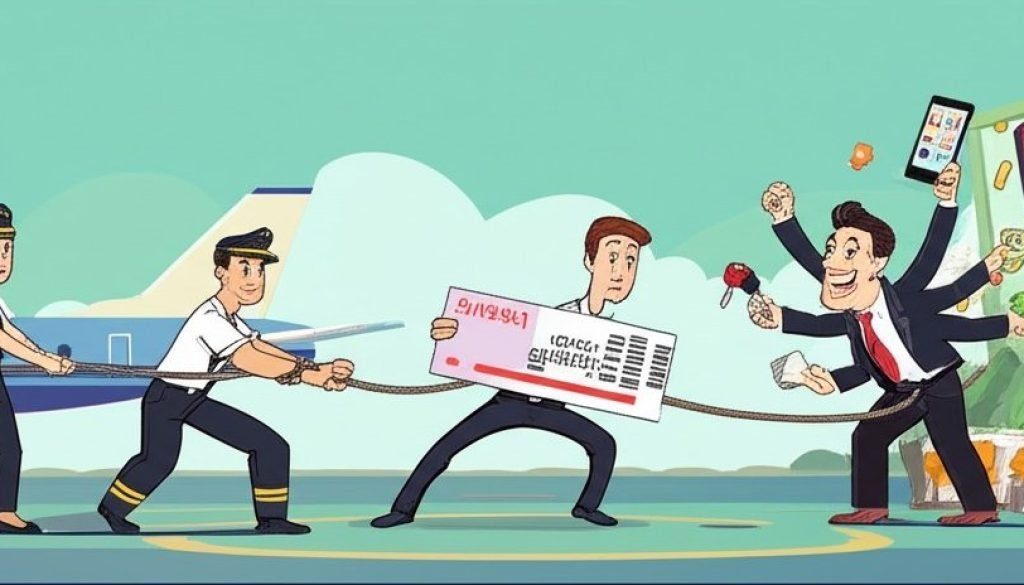
Airline group desks sell you flexibility and control. Online sites sell you the absolute cheapest fare – usually with strings attached.
Typical group booking perks (details vary by airline, but the pattern is similar):
- Seat block with a deposit instead of full payment on day one.
- Name flexibility: you can hold seats before you know exactly who’s going. Many airlines allow free or low-cost name changes up to a deadline.
- Same flights, same fare for everyone in the group.
- Sometimes tour conductor credits (e.g., 1 free ticket per 20–29 paid seats on some airlines).
The catch? Those perks are rarely free.
From real-world examples and airline policies:
- Group fares are often more expensive than the cheapest individual tickets you’ll see online.
- They’re usually closer to a semi-flexible or refundable fare than to a rock-bottom basic economy ticket.
- The biggest discounts (if any) tend to show up only for very large groups (think 50+).
So the first question to ask is simple:
“What matters more for this trip: flexibility and coordination, or the lowest possible price per person?”
If you’re running a school trip, wedding, or conference where people may drop out or join late, that flexibility can easily be worth $50–$150 more per ticket. If you’re a tight-knit group of friends who know they’re going, you might prefer to chase the cheapest online fares and skip the airline group contract entirely.
3. When an airline group desk actually saves you money
Let’s be blunt: airline group desks are not automatically the cheapest option. Often, they aren’t. But there are specific situations where they can be the smarter financial move in a group airfare cost comparison.
I lean toward using an airline group desk when:
- You need time more than you need the lowest fare.
Group bookings let you hold seats with a deposit and finalize names and payment later. Some airlines allow name changes for a large portion of the group up to a couple of days before departure. That’s gold if you’re waiting on school approvals, visa outcomes, or final attendee lists. - You’re comparing against refundable or flexible tickets.
Group fares are oftencheaper than fully refundable tickets but more expensive than the cheapest nonrefundable ones.
If your alternative is buying flexible fares individually, the group contract can win on price. - Your group is big enough to trigger extras.
Some airlines offer tour conductor tickets (e.g., 1 free ticket per 20–29 paid seats) or promos like10+1 free
. If you’re moving 30–60 people, those credits can offset a higher base fare. - You must keep everyone on the same flights.
With individual tickets, the cheapest fares can disappear as you book, leaving late bookers on different flights or paying much more. Group contracts guarantee a block of seats at one fare, which can prevent ugly internal politics later. - You’re dealing with complex patterns.
Some airlines allow deviations (different dates or cities for part of the group) and feed-ins (people starting in different cities and joining the main flight). Air Canada, for example, allows deviations for up to 35% of passengers and unlimited feed-ins under certain conditions. For complicated itineraries, that can be cheaper and cleaner than trying to DIY a dozen separate tickets.
The key is to compare like with like. Don’t compare a group fare to a one-off flash sale basic economy ticket with no changes. Compare it to the level of flexibility you actually need.
4. When online sites beat group desks on price (and how to do it safely)
There are plenty of times when I’d skip the group desk and go straight to online tools. Especially when:
- Your group is 10–15 people, not 50.
- Everyone is responsible adults who can book and manage their own ticket.
- You’re willing to trade some coordination for lower fares.
Here’s how I approach online group flight bookings without a formal contract.
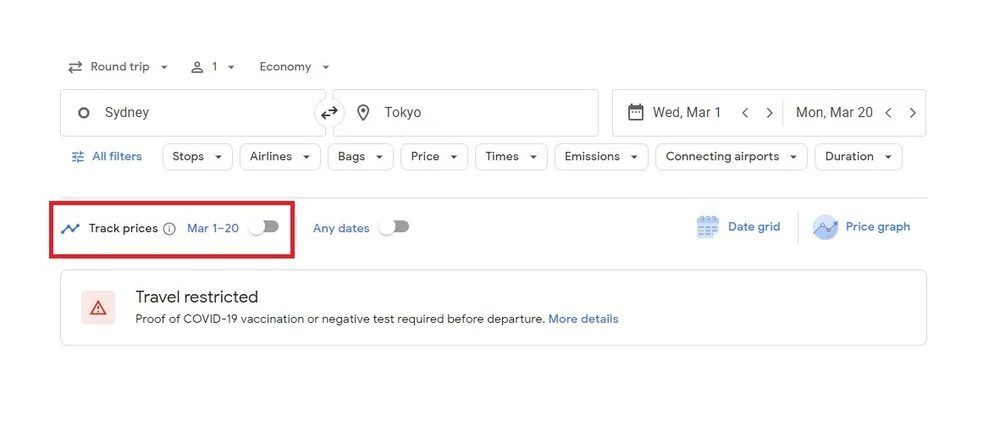
Step 1: Use meta-search and OTAs to map the price floor.
I usually start with tools like Google Flights or a big OTA (Expedia, Orbitz, etc.) to see:
- Which airlines are cheapest on my dates.
- How much prices jump as I change times or days.
- What the cheapest realistic itinerary looks like.
OTAs have some real advantages for group travel booking strategy:
- They sometimes sell the same flights cheaper than the airline’s own site, thanks to incentives and negotiated deals.
- They let you compare multiple airlines at once and mix-and-match carriers.
- Some have loyalty programs that stack with airline miles.
But there are strings:
- Customer service can get messy when something goes wrong. Airlines and OTAs can bounce you back and forth.
- Not all OTAs offer 24-hour free cancellation. U.S. airlines must; OTAs don’t have to. I stick to big names that voluntarily offer it.
- Multi-airline itineraries are often really separate one-way tickets. If one leg changes or cancels, the rest may not be protected.
Step 2: Decide whether to book direct or via an OTA.
My rule of thumb for airline group desk vs online sites:
- If the OTA is only $10–$20 cheaper per person, I often book direct with the airline for cleaner customer service.
- If the OTA is significantly cheaper and offers 24-hour cancellation, I’ll consider it – especially for simple roundtrips on one airline.
Step 3: Coordinate the group without a group contract.
To keep things from turning into chaos:
- Pick one exact flight (airline, flight number, time) and share a clear link or screenshot.
- Set a booking deadline for your group (e.g., “Everyone book by Friday 5 p.m.”).
- Have one person track who’s booked and who hasn’t.
This approach can easily save $50–$200 per person compared with a group fare, especially on low-cost carriers or during sales. The trade-off is that you lose the safety net of name changes and centralized control.
5. The hidden costs: contracts, fees, and fine print
Where people get burned is not usually the base fare. It’s the fine print – on both sides.
With airline group desks, watch for:
- Deposits and booking fees. Some airlines charge a nonrefundable booking fee or require deposits that can be partially forfeited if you don’t meet utilization targets.
- Utilization requirements. You might be required to use a certain percentage of the seats you reserved, or pay cancellation fees per unused seat.
- Cancellation penalties. Once a group contract is signed, cancelling the whole group can trigger a fixed fee, even before ticketing.
- Change and name-change rules. Many airlines allow free name changes up to a point (sometimes for 50% of the group), then charge per change after that or close to departure.
- Blackout dates and capacity controls. Group fares may not be available on peak dates or may be limited in number.
With online/OTA bookings, watch for:
- Agency fees on top of airline fees. If you use a traditional travel agent, they may charge planning or change fees in addition to airline penalties.
- Nonrefundable, non-changeable fares. The cheapest tickets often have brutal change rules. Multiply that by 20 people and one schedule change can get expensive.
- Inconsistent policies across airlines. If you mix carriers, each ticket has its own rules. One person’s change can become a puzzle.
This is why I always ask:
“If 20% of my group changes plans, which option hurts less?”
Sometimes the slightly higher group fare is actually cheaper once you factor in realistic changes and cancellations.
6. Airline group desks vs OTAs vs human agents: who should you actually talk to?
There are really three players in any group flight booking strategy:
- Airline group desks
- Online travel agencies (OTAs)
- Traditional travel agents
Each has a different role.
Airline group desks
Best when:
- You’re loyal to a specific airline or alliance.
- You need name flexibility and centralized control.
- You want everyone on the same flights and fare.
They’re not always fast or slick. Some airlines have clunky forms or slow response times. But they’re the ones who can actually issue and manage airline group contract fares.
OTAs
Best when:
- You’re chasing the lowest possible price across multiple airlines.
- Your itinerary is simple (one or two legs, one airline).
- You’re comfortable handling disruptions yourself.
They’re tools, not advisors. Great for price discovery and simple bookings, less great when things go sideways.
Traditional travel agents
Best when:
- Your trip is complex (multi-city, multiple airlines, land arrangements).
- You value having a single human point of contact.
- You’re okay paying a planning or booking fee in exchange for time saved.

Agents can sometimes access package deals or negotiate better terms, but they can also add fees and may be biased toward certain partners. I use them when the itinerary is messy enough that my time is more valuable than the fee.
7. A simple decision framework you can actually use
Let’s turn all this into something you can apply in five minutes.
Step A: Define your group and risk.
- How many people? (10–15 vs 30–60 makes a big difference.)
- How likely are changes/cancellations? (School trip vs friends’ getaway.)
- Is it critical everyone is on the same flights?
Step B: Get two real quotes.
- Use Google Flights or an OTA to find the cheapest realistic itinerary for your dates.
- Request a group quote from your preferred airline(s) for the same flights.
Step C: Compare total cost, not just base fare.
For each option, ask:
- What’s the per-person fare?
- What are the change and cancellation rules?
- How much flexibility do I have on names and payment timing?
- Are there extras (tour conductor tickets, free bags, credits)?
Step D: Make a call based on your real risk.
- If your group is stable, price-sensitive, and under ~20 people → lean toward online bookings (direct or via a reputable OTA).
- If your group is fluid, large, or politically sensitive (school, corporate, wedding) → lean toward an airline group desk, even at a higher fare.
- If the itinerary is complex and your time is limited → consider a traditional agent and accept the fee as the cost of sanity.
8. Final takeaways: how to avoid the classic group-booking mistakes
If I had to boil this down to a short checklist, it would be this:
- Never assume group fares are cheaper. Always compare against individual online fares.
- Never assume the cheapest online fare is the best value. Factor in change risk and coordination headaches.
- Start early. Group fares are capacity-controlled and can be blocked out on peak dates. Early planning gives you options.
- Designate a group leader. One person should be the point of contact with the airline or agent. Too many cooks = chaos.
- Read the contract. Especially around deposits, utilization, name changes, and cancellation fees.
- Use 24-hour cancellation windows. Whether you book direct or via an OTA, that first day is your safety net to fix mistakes.
In the end, the cheapest
option for group flights is the one that balances price, flexibility, and your group’s actual behavior. Once you’re honest about those three, the choice between an airline group desk and online sites becomes much clearer.