I used to click the lowest fare on the screen and feel like I’d just outsmarted the airlines. Then I’d reach the payment page and watch my “$79 deal” quietly climb to $210. Taxes. Bags. Seats. Random fees I’d never heard of.
If you’ve ever stared at your screen thinking, Wait… how did it get this expensive?
this is for you.
Let’s unpack the real cost of cheap flights—and when basic economy or an ultra-low-cost carrier actually saves you money, versus when that bargain fare becomes the priciest mistake on the page.
1. The First Trap: Comparing Only the Headline Price
When I compare flights now, I don’t ask, Which ticket is cheapest?
I ask: Which total trip is cheapest for how I actually travel?
That shift changes everything.
Basic economy on a major airline and a rock-bottom fare on an ultra-low-cost carrier (ULCC) might look similar in search results, but they’re built on totally different assumptions.
- Basic economy (legacy airlines): You’re on a full-service airline, just with stripped-down rules. The seat is usually the same as regular economy. The pain shows up in the restrictions—changes, seat selection, upgrades, and sometimes miles.
- ULCCs (Spirit, Frontier, Ryanair, etc.): The base fare often covers literally just the seat. Almost everything else is an add-on: carry-on, checked bag, seat selection, boarding pass printing, even certain types of customer service.
Regulators in the US, EU, and Canada require airlines to show mandatory taxes and unavoidable fees in the advertised price. So that $39 fare usually includes government taxes.
What it often doesn’t include? The things you probably assume come with a ticket—like a full-size carry-on or sitting next to your kid.
The only fair way I’ve found to compare the true price of ultra-low-cost flights vs basic economy is this:
- Write down what I actually need for this trip (1 carry-on, 1 checked bag, sitting with my partner, ability to change once, etc.).
- Price that exact setup on each airline—not just the base fare.
Once I do that, the “cheapest” option often stops being the cheapest in about 10 seconds.
2. Bags, Seats, and the Moment Your Cheap Fare Doubles
If there’s one place where the hidden airline fees breakdown gets ugly, it’s baggage and seat charges. This is where cheap flight mistakes quietly get expensive.
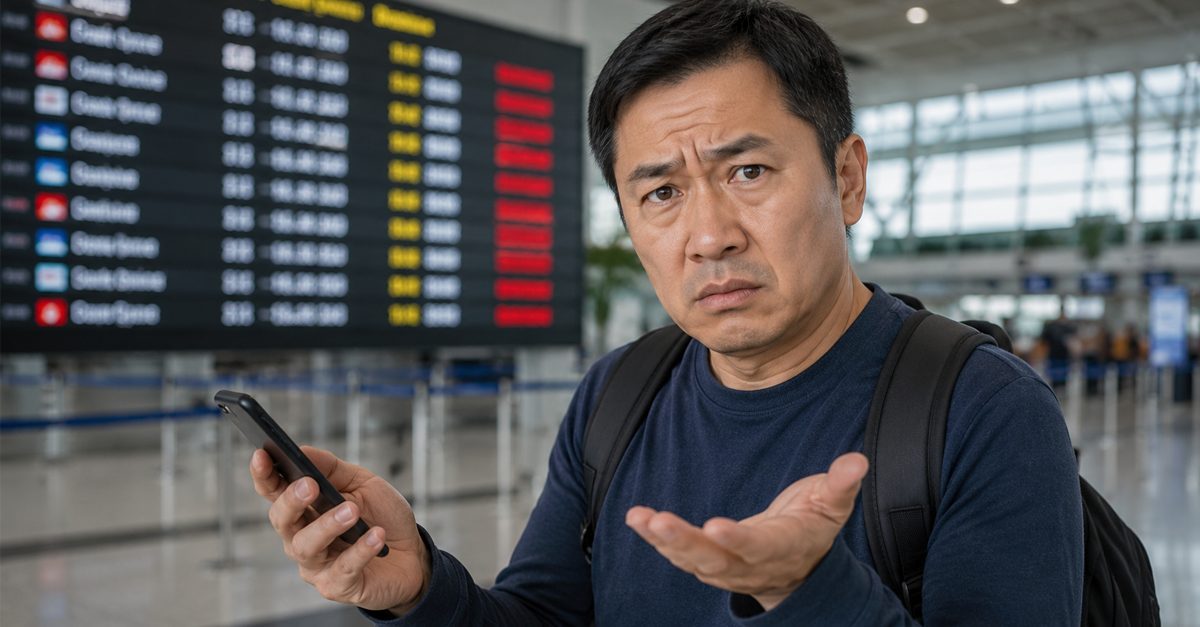
Airlines earn billions from baggage fees alone. ULCCs are basically built around this: the base fare is the teaser, the add-ons are the business model.
Here’s how it usually plays out in real life:
- Carry-on bag: On many ULCCs, a normal roll-aboard is not included. You get a tiny “personal item” only. A carry-on can run $30–$65 each way, often more if you wait until the airport.
- Checked bag: $35–$60+ each way is common, even on major airlines. On basic economy, you’ll often pay the highest baggage fee tier.
- Seat selection: $10–$150 depending on route and seat. Both basic economy and ULCCs love this fee. A family of four that wants to sit together can easily add $80–$200 to a round trip.
On paper, a ULCC might be $60 cheaper than a major airline. But once you add:
- $50 round trip for a carry-on
- $60 round trip for a checked bag
- $40–$80 for seat selection
…you’re suddenly paying more than a standard economy fare on a full-service airline that already included a carry-on and sometimes a checked bag.
My rule now is simple and saves me from a lot of cheap flight mistakes that cost more later:
If I need more than a personal item, I assume the final price will be at least 50–100% higher than the ULCC’s headline fare.
I budget that in from the start instead of letting the total shock me at checkout.
3. Basic Economy vs ULCC: Which Is Actually Cheaper for You?
Basic economy and ULCCs both look cheap, but they punish you in different ways. That’s where the real basic economy vs ultra low cost carrier comparison gets interesting.
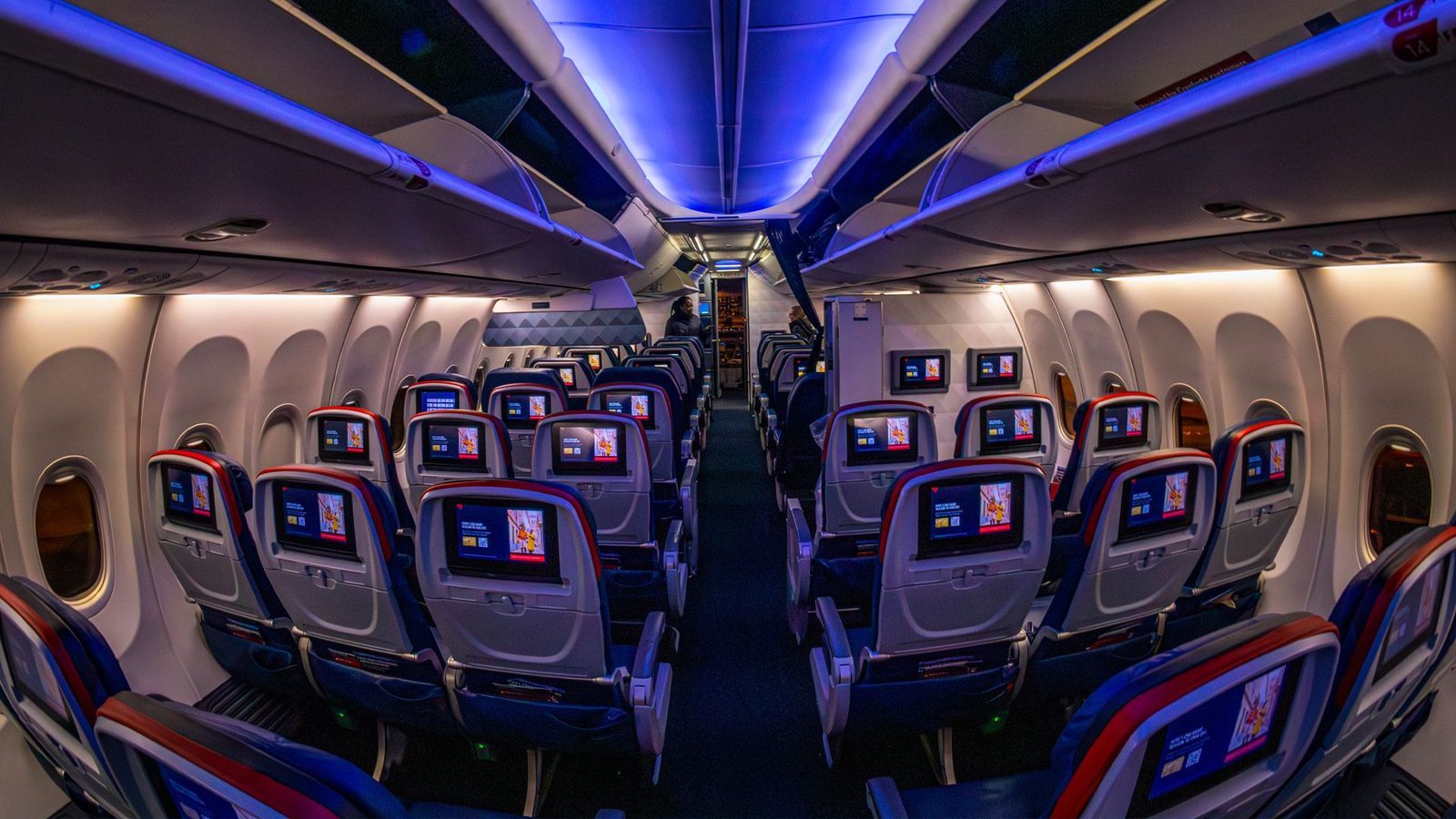
On US airlines, basic economy is usually about 20–30% cheaper than standard economy. The seat is the same; the rules are not.
Typical basic economy trade-offs (these vary by airline, but the pattern is familiar):
- American: One full-size carry-on allowed. You board last. Seat selection costs extra. Checked bags start around $35 online. You earn reduced miles and usually can’t upgrade.
- Delta: Onboard experience similar to regular economy, but you board last, seat selection is restricted, and you don’t earn SkyMiles on some basic fares. Changes and upgrades are limited or not allowed.
- United/others: Similar pattern: last to board, limited changes, fees for seats, reduced or no mileage earning, and no guaranteed seating together.
ULCCs, on the other hand, often have:
- Lower base fares than basic economy
- Stricter baggage rules (no free full-size carry-on)
- More aggressive fees for everything from printing a boarding pass to calling customer service
So which is cheaper for you once you look at the ultra low cost airline total cost instead of just the teaser price?
- Traveling solo with just a small backpack, no seat preference, no changes?
A ULCC can genuinely be cheaper. You’re the exact customer they’re designed for. - Traveling with family, need at least one bag, want to sit together, might need flexibility?
Basic economy often beats ULCCs on total cost—and sometimes standard economy beats both once you add all the fees.
When I’m booking, I do a quick three-way comparison to see the cheap ticket vs expensive ticket value clearly:
- Price the ULCC with all the add-ons I realistically need.
- Price basic economy with the same needs.
- Price standard economy (which often includes more by default).
More often than I expected, the middle option—standard economy on a major airline—wins once I factor in bags, seats, and flexibility.
4. Flexibility, Changes, and the Hidden Cost of Being “Stuck”
The most expensive fee is often the one you don’t see when you book: the cost of changing your mind.

Basic economy and ULCC tickets are usually designed to be painful to change:
- Change fees: On some fares, especially international, change fees can run $75–$200 for domestic and $400+ for international. On the very cheapest tickets, changes may not be allowed at all.
- Cancellation: That “free cancellation” you saw? Often it’s only within 24 hours, or it gives you a credit, not a refund.
- Fare differences: Even when change fees are waived, you still pay any difference in fare. If prices have jumped, that can be huge.
Here’s the trap: you save $40 choosing basic economy over standard economy, then your plans shift. You pay a $150 change fee plus a higher new fare. That original $40 “saving” just cost you $200+.
So before I lock in the rock-bottom fare, I ask myself one blunt question:
How painful would it be—financially and emotionally—if I had to throw this ticket away?
If the answer is Very
, I either:
- Pay more upfront for a flexible fare, or
- Book later, when my plans are more solid, even if the base price is higher.
Sometimes the cheapest ticket is the one that lets you change your mind without wrecking your budget.
5. Dynamic Pricing: Why “Cheap” Seats Vanish While You Hesitate
Another reason cheap flights aren’t always what they seem: the price you see is a moving target.

Airlines use dynamic pricing systems that constantly adjust fares based on:
- How many seats are left in each fare bucket
- How fast those seats are selling
- Time until departure
- Competitor prices
Only a small number of seats are sold at the rock-bottom price. Once those are gone, the system moves you to the next, more expensive bucket—even if the plane is half empty.
That’s why you sometimes see a $129 basic economy fare in the morning and $189 by the afternoon. Nothing dramatic happened to the flight. The cheapest bucket just sold out.
Instead of obsessing over magic booking days, I focus on timing and flexibility:
- Use tools like Google Flights or Skyscanner’s calendar view to see the cheapest days and months.
- For domestic trips, aim to book 2 weeks to 2 months out.
- For international trips, aim for 3–10 months out, especially for peak summer.
- Shift to off-peak days (Tue/Wed/Sat) and less popular weeks (like mid-August instead of early July) to save 10–30%.
I don’t worry about whether Tuesday at 3 p.m. is cheaper than Wednesday at 9 a.m. I care about flexible dates and seasons, because that’s where the real savings live.
6. When Paying More Upfront Actually Saves You Money
Here’s the twist: sometimes the best way to beat “fake cheap” flights is to pay more at the start.
There are a few situations where I deliberately avoid the lowest fare, even when it’s tempting:
- I need bags and seats: If I know I’ll check a bag and want to choose my seat, I often buy a fare bundle or standard economy that includes those. It’s usually cheaper than adding them one by one later, especially once you factor in basic economy baggage and seat fees.
- I’m traveling with kids or a group: I avoid fares that don’t guarantee we’ll sit together unless I’m 100% sure I can pay for seats. Some regulators are pushing airlines to seat kids with parents without extra fees, but it’s not universal yet.
- I might need to change plans: I compare the cost of a flexible fare vs. the potential cost of change fees + fare differences. Often, the “expensive” ticket is cheaper in the long run.
Credit cards can also quietly change the math in the budget airline fees vs full service comparison:
- Airline cards that give free checked bags can save $60–$140 per round trip for two people.
- Some cards include trip insurance and protections, making airline-sold insurance redundant.
Before I buy any add-on insurance from an airline, I check what my card already covers. Often, I’m already protected—and that’s one more “fee” I don’t need to pay.
7. A Simple Checklist to Avoid Getting Burned by “Cheap” Flights
When I’m about to book a suspiciously cheap ticket, I run through this quick checklist. It’s my personal airline add on fees cost guide and keeps me out of most budget-airline fee traps.
- What do I actually need?
Bags? Seat choice? Ability to change dates? Sitting with kids? Write it down. Be honest with yourself. - What does this fare really include?
Check the airline’s fee page. Is a carry-on included? What about checked bags? Seat selection? This is where the hidden airline fees breakdown usually shows up. - What will I realistically add?
Price those add-ons now, not later. Assume you’ll pay the online rate, not the airport rate (which is often worse). - What happens if my plans change?
Are changes allowed? What are the fees? Is it a refund or just a credit? How “stuck” will you be? - How does this compare to the next fare up?
Compare total cost (fare + fees) for ULCC vs basic economy vs standard economy. This is where you really compare basic economy and regular economy prices and see which one makes sense. - What protections do I already have?
Check your credit card benefits before buying extra insurance or add-ons. You might already be covered.
When I follow this, I still book cheap flights—but they’re honestly cheap, not just cheap-looking.
In the end, the question isn’t just How low is the fare?
It’s:
What will this trip actually cost me—money, flexibility, and stress—by the time I land?
Once you start thinking that way, a lot of “deals” stop looking like deals at all. And the flights you do book? They feel a lot smarter.