I’ve lost count of how many “bargain” flights have quietly emptied my wallet. The base fare looked amazing. The final cost? Not so much.
If you’ve ever booked a cheap ticket and then watched the price creep up with every click, this guide is for you. Let’s walk through the traps that turn cheap flights into expensive mistakes – and how to spot them before you pay.
1. The Layover Illusion: When “One Stop” Costs You a Day
Most of us see a layover and think: Annoying, but cheaper.
Sometimes that’s true. Often, it’s not.
Nonstop flights are usually about 20–25% more expensive than flights with layovers. That’s why search engines push those “1 stop” deals so hard. But the price comparison rarely shows you the hidden costs of cheap flights that come with those extra hours in transit.
- Time cost: A 3–6 hour layover can turn a 6-hour trip into a 12-hour day. What is your time actually worth?
- Risk cost: Missed connections, weather delays, and tight transfer windows can mean overnight stays you didn’t plan (and didn’t budget for).
- Comfort cost: Awkward layovers – too long to just sit, too short to leave the airport – are where money leaks: overpriced food, lounges, impulse buys.
On paper, that $80 cheaper ticket looks smart. In reality, the true cost of long layovers might include:
- $25–$40 for airport meals you wouldn’t have bought otherwise
- $30–$60 for a day room, lounge pass, or airport hotel if things go wrong
- Lost work hours or vacation time you can’t get back
My rule: If a layover adds more than 3–4 hours to the total trip, I treat it like a hidden fee
and mentally add a cash value to that time. If the nonstop is within that amount, I book the nonstop.
When layovers actually make sense:
- You’re very flexible on time and dates
- You’re traveling solo and can sleep anywhere
- You’re intentionally turning the layover into a mini-trip (more on that next)

2. Long Layovers vs. Real Stopovers: Free City or Fake Savings?
Here’s where it gets interesting. Long layovers can be a smart hack or a budget disaster, depending on how you use them.
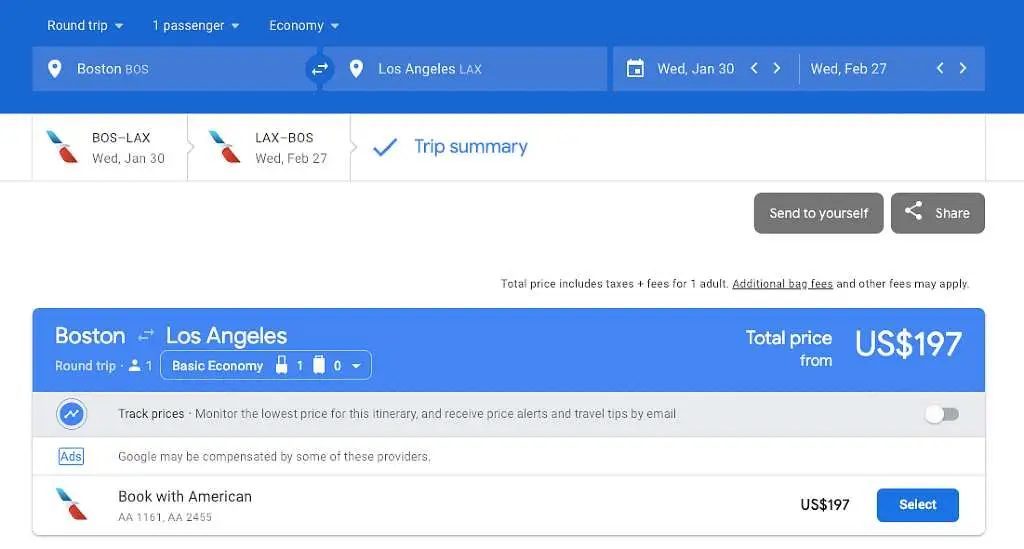
Some airlines price a one-way or roundtrip with a long layover cheaper than a proper multi-city ticket – even when the flight segments are identical. If you’re trying to figure out how to price cheap flight itineraries, tools like ITA Matrix or advanced filters on Google Flights let you search for:
- Minimum connection time (e.g., 8–24 hours)
- Specific connection cities you actually want to visit
Done right, you can:
- Visit an extra city without paying for a separate ticket
- Break up a long-haul flight to reduce jet lag
- Sometimes pay less than a standard itinerary
But there are traps that turn these into cheap flights that cost more overall:
- Schedule changes: The airline can reroute you via a different hub or put you on a more direct flight. Your
bonus city
disappears overnight. - Checked bags: On a single ticket, you usually can’t access your checked luggage during the layover. If you planned to change clothes or grab gear, you’re stuck.
- Entry rules: Not every country lets you leave the airport easily. Visa rules, transit requirements, and minimum connection times for transit tours matter.
Some airlines even offer free or subsidized hotels for long, forced layovers (STPC – Stopover Paid by Carrier). Think Turkish Airlines, Royal Jordanian, China Southern, and others. Some hubs offer free transit tours if your layover fits their schedule – places like Singapore, Seoul, Doha, Istanbul, and more.
How I decide:
- If the long layover saves serious money and gives me a real city break, I consider it a win.
- If it’s just 9–12 hours of airport limbo with no perks, I treat it as a hidden cost and usually skip it.
3. The Airport Trap: Cheap Ticket, Expensive Ground Transport
Budget airlines and some “too good to be true” fares often use secondary airports. That’s where a lot of people get burned.
You see a cheap flight to “Paris” or “London” and only later realize:
- You’re flying into an airport 60–90 minutes from the city
- There’s no cheap, fast train – just pricey buses or taxis
- Your arrival time means surge pricing or night rates
By the time you add:
- $20–$40 for a bus or train (each way)
- $50–$100+ for a taxi or rideshare if you land late
- Extra time (1–2 hours each way) that eats into your trip
…that cheap
flight can easily cost more than a full-service airline into the main airport. This is one of the classic cheap flight booking mistakes people only notice when they’re standing in a long taxi line.
Budget carriers also tend to have:
- Fewer backup planes and thinner schedules
- Less generous rebooking policies when things go wrong
- Minimal customer support when you’re stranded
What I do before booking:
- Google the airport code +
distance to city center
. - Check last train/bus times for my arrival day.
- Estimate worst-case taxi cost at that hour.
If the ground transport plus time makes the deal look ugly, I walk away. A slightly higher airfare into the main airport often wins on total trip cost of budget flights and sanity.
4. Arrival Time Traps: The Midnight Landing That Isn’t Cheap
Flight search tools love to show you the cheapest
option. They rarely highlight when you land. That’s where a lot of hidden costs hide.
Red-eye and late-night arrivals can be great if:
- You’re comfortable navigating a new city in the dark
- Public transport still runs frequently and safely
- You’re not exhausted from work or previous travel
But they can quietly add:
- Extra hotel nights: Arrive at 1 a.m.? You’re paying for a full night you barely use.
- Taxi premiums: No metro or bus? That $15 daytime ride becomes $60+ at night.
- Lost first day: You sleep half the next day and effectively lose a vacation day.
On the flip side, super-early departures can mean:
- Paying for an airport hotel the night before
- Leaving your city at 3–4 a.m. when transit is limited
- Arriving wrecked and needing a recovery day
Ultra-long-haul nonstops (17–20 hours) add another layer. They’re convenient – no layovers, fewer chances for missed connections – but they come with:
- Higher risk of deep vein thrombosis if you don’t move around
- Dehydration and fatigue from low humidity and cabin pressure
- Serious discomfort if you’re in a tight economy seat
If you have health issues, circulation concerns, or just know you don’t handle long flights well, breaking the trip into two shorter segments with a sensible layover might be cheaper in health and comfort, even if the ticket price is similar.
This is where the flight arrival time impact on budget really shows. A “deal” that lands you at 2 a.m. can easily mean higher transport and hotel costs from late arrivals.
My filter: I don’t just sort by price. I sort by arrival time + total trip time and ask: What does this schedule do to my first and last day?
If it ruins them, I treat that as a hidden cost.

5. Budget Airlines & Basic Economy: The Fee Minefield
This is where most people get ambushed. The fare looks insanely low. Then the airline starts charging you for breathing.
With basic economy and ultra-low-cost carriers, the base fare often excludes:
- Carry-on bags (you may only get a small personal item)
- Checked bags
- Seat selection (even to sit with your partner or kids)
- Reasonable change or cancellation options
On top of that, you may see fees for:
- Printing your boarding pass at the airport
- Priority boarding (to avoid bag space anxiety they created)
- Snacks, water, and even basic comfort items
By the time you add everything you actually need, you can easily pay more than a standard airline that includes a carry-on, a normal seat, and decent customer service. This is the classic world of budget airline hidden fees.
How I protect myself:
- I read the fare rules before I click. Not after.
- I check the airline’s baggage page and measure my bag if needed.
- I compare the total trip cost (fare + bags + seat + likely extras) across airlines, not just the headline price.
- If I’m traveling with someone and want to sit together, I assume I’ll pay for seats and factor that in.
There’s a real debate about whether this is fair unbundling
or manipulative bait-and-switch
. Personally, I don’t care what we call it. I just refuse to reward airlines that rely on confusion to make money.
If I feel tricked during the booking process, I close the tab. That’s my quiet protest.

6. Hidden Costs You Don’t See in the Fare (But Definitely Pay)
Even when you dodge the obvious traps, there are quieter costs that still matter.
Award tickets & miles:
- That
cheap
mileage ticket can come with $200–$1,400 in taxes and surcharges on international routes. - A lower mileage price doesn’t always mean a better deal if the cash co-pay is high.
Self-made connections:
- Booking separate tickets to create your own layover can be cheaper – but if your first flight is delayed, the second airline doesn’t have to help you.
- You may need extra buffer time, travel insurance, or even a backup plan (which all have a cost).
Stress & reliability:
- Budget carriers often have fewer flights per day. One mechanical issue can wipe out your plans.
- Customer support can be minimal. Getting rebooked might mean days, not hours.
None of this shows up in the fare. But you pay for it in risk, time, and sometimes hotel nights you never planned to buy. These are the quieter extra costs of overnight layovers and risky connections that don’t show up in a simple cheap vs direct flight cost comparison.
My mental checklist before I book:
- What happens if my first flight is delayed by 3 hours?
- How much will bags + seats + transport actually cost?
- Is this airline known for reliability, or for horror stories?
- Am I okay with the arrival time, not just the price?
If the answers make me uneasy, I treat that as part of the price. Because it is.
7. How to Compare Flights Without Getting Tricked
Let’s put this into a simple, practical process you can use on your next search.
Step 1: Start with the big picture, not the cheapest fare.
- Filter by reasonable departure and arrival times.
- Set a maximum total travel time you’re willing to accept.
- Note which airports you’re actually flying into and out of.
Step 2: For each promising option, calculate the real
price.
- Add: bags (carry-on + checked), seat selection, likely food during layovers.
- Add: airport transfers based on arrival time and airport location.
- Add: any extra hotel nights caused by awkward flight times.
This is where you see the airport change layover expenses, the late night flight arrival costs, and all the other little charges that turn into the hidden costs of cheap flights.
Step 3: Put a value on your time and sanity.
- Is saving $60 worth arriving at 1 a.m. and losing half the next day?
- Is a 6-hour layover worth $40 in airport food and a day of exhaustion?
- Would you pay a bit more to avoid a risky self-connection?
Step 4: Decide based on the whole trip, not just the ticket.
- Sometimes the cheapest flight really is the best choice – especially if you travel light and are flexible.
- Often, the
second cheapest
option is the true bargain once you factor everything in.
The goal isn’t to avoid cheap flights. It’s to avoid fake cheap flights.
Next time you see an unbelievable fare, pause for a second and ask yourself: What is this price hiding?
Once you start thinking that way, you’ll book fewer flights you regret – and more that actually feel like a win when you land.