I’ve lost count of how many times I’ve chased a “bargain” fare, felt that little rush of victory, and then watched the real cost creep up in fees, stress, and lost time. If you’ve ever thought, Did I actually save anything?
you’re in good company.
This guide unpacks the hidden costs of cheap flights. We’ll look at when cheap connecting flights, budget airlines, and third-party deals genuinely save you money – and when a pricier-looking direct ticket or booking straight with the airline is actually the smarter, cheaper move once you factor in everything.
1. The Illusion of Cheap: Are Connections Really a Bargain?
On paper, connecting flights almost always look cheaper. Airlines discount them to fill hubs and route traffic efficiently. But the price you see on the screen is only part of the story in the cheap flights vs direct flights debate.
Every extra leg adds:
- More time: Layovers, boarding twice, deplaning twice. A “cheap” ticket can easily steal half a day of your life.
- More risk: Missed connections, weather delays, crew timing issues. One hiccup can turn into an overnight stay or a brand-new ticket.
- More baggage roulette: Each segment is another chance for your bag to go missing, be delayed, or damaged.
- More fees: Some airlines charge baggage per segment. Two legs can mean double the baggage cost.
I’ve watched people save $60 on a connecting flight and then spend $40 on airport food during a long layover, plus another $30 on a checked bag for the second segment. That “deal” disappears fast once you look at the total cost of budget flights.
When a direct flight is actually cheaper in real life:
- You’re on a short trip and every hour at your destination matters.
- You’re traveling with checked bags or bulky gear like skis or surfboards.
- You’re on separate tickets or different airlines (missed connections can be financially brutal).
Ask yourself: If I miss this connection, what’s my plan?
If the honest answer is I’d be in trouble,
that cheap connection isn’t really cheap. It’s just a risk disguised as a bargain.
2. Budget Airlines vs Full-Service: The Fee Trap
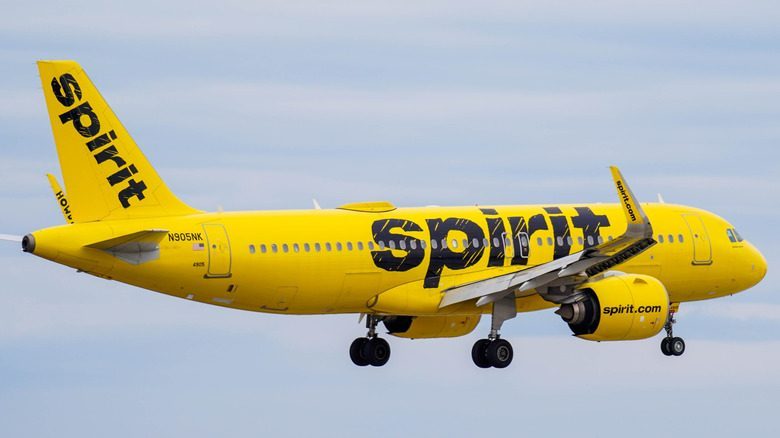
Budget airlines are masters of the low headline price. You see a $39 fare and think you’ve hacked the system. But their business model is simple: strip the base fare, then charge for almost everything else. This is where the low cost carrier fee breakdown gets interesting.
Common budget airline add-ons:
- Carry-on bag (yes, even that)
- Checked baggage, often per segment
- Seat selection (including sitting with your kids)
- Airport check-in or printing boarding passes
- Food, drinks, sometimes even water
- Changes, cancellations, and “service” fees
Full-service airlines usually bundle at least one checked bag on many international routes, basic seat selection, and some level of food and drink. The upfront fare looks higher, but the total cost is often more predictable and easier to compare when you’re trying to avoid common cheap flight mistakes.
Here’s the trap: budget airline extra fees often increase the closer you get to departure. Add a bag at booking? One price. Add it at check-in? More. Pay at the gate? Now you’re really paying for that “cheap” ticket.
How I compare costs:
- Write down everything I realistically need: 1 carry-on, 1 checked bag, seat selection, maybe a snack.
- Price those add-ons on the budget airline’s site as if I’m paying today.
- Compare that total to a full-service airline’s fare with similar inclusions.
More often than people expect, the full-service ticket is only $20–$40 more – or even cheaper once you add everything up. For longer trips or family travel, that difference can flip completely in favor of the full-service carrier. That’s the moment you realize the true price of discount flights isn’t what the search results showed.
Rule of thumb: budget airlines shine for short trips with minimal luggage and flexible plans. If you’re checking bags, traveling with kids, or on a tight schedule, a “more expensive” airline can be the real bargain.
3. Third-Party Sites vs Booking Direct: Who Helps You When Things Go Wrong?
Third-party sites and apps (OTAs) like Expedia, Booking, or Skyscanner’s partners are fantastic for one thing: comparison. They pull in fares from multiple airlines, show mixed itineraries, and sometimes surface deals you’ll never see on the airline’s own site.
They can also be genuinely cheaper. Some OTAs access consolidator fares or bulk inventory, especially on long-haul routes, and I’ve seen differences of hundreds of dollars on the same airline, same flight. That’s where a lot of people get hooked on these platforms.
But there’s a catch: when you book through a third party, you’ve added a middleman. And that matters the moment something goes wrong.
In a disruption (delay, cancellation, schedule change):
- The airline often says,
Talk to the agency, they issued the ticket.
- The OTA says,
We’re waiting on the airline’s approval.
- You’re stuck in the middle, watching the clock and the departure board.
Meanwhile, the person who booked directly with the airline is already in line at the counter getting rebooked. When you’re weighing connecting flights vs direct cost, this kind of support is part of the price, even if it’s not printed on your ticket.
Refunds and changes can be even messier. OTAs may have their own fees on top of the airline’s. Support might be chat-only, in another time zone, or simply overwhelmed. I’ve seen simple name corrections turn into multi-day sagas.
When I still use OTAs:
- To search and compare options quickly.
- For simple, low-stakes trips where a delay won’t ruin anything.
- When the price difference is huge (think $300+), and I’m comfortable with the risk.
When I book direct with the airline:
- For important trips (weddings, business meetings, tight connections).
- When the OTA is only $30–$60 cheaper.
- When I need flexibility, status benefits, or special requests (wheelchair, special meals, etc.).
Ask yourself: If my flight is canceled at 11 p.m., who do I want to be dealing with?
If the answer is the airline at the counter,
that’s your decision right there.
4. The Fine Print: Change Fees, Refund Rules, and Flexibility
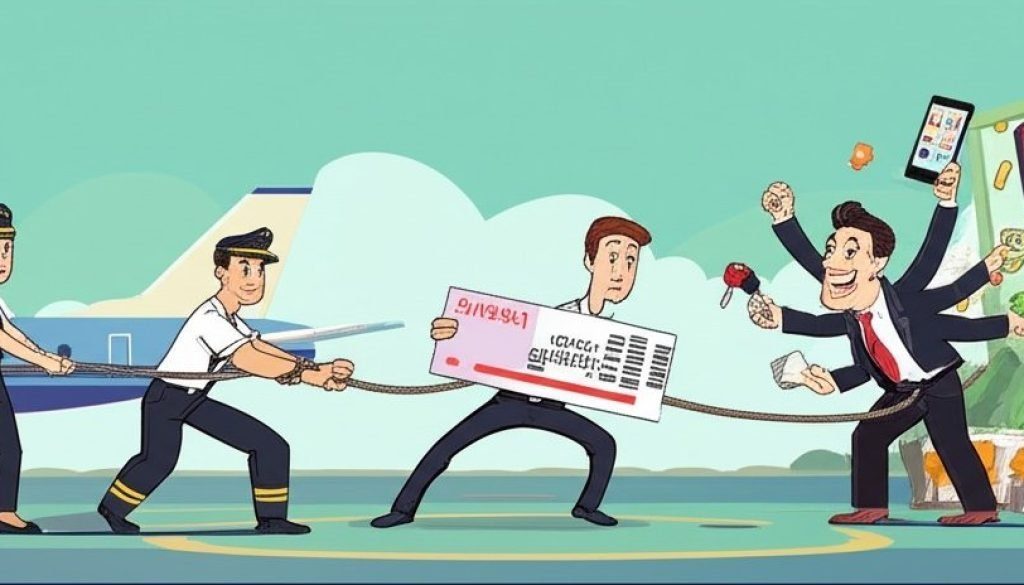
Two tickets can look identical on the surface – same airline, same flight, similar price – but behave completely differently when your plans change. This is where a lot of cheap airfare traps hide.
Cheaper fares, especially those sold through OTAs or as special “consolidator” deals, often come with:
- Higher change fees or no changes allowed at all.
- Non-refundable conditions, even for serious reasons.
- More restrictive no-show rules.
- Separate rules for each segment or airline on a mixed itinerary.
That $200 you saved can vanish the moment you need to move your trip by a day. I’ve seen people pay more in change fees than the original savings, just to keep their ticket usable.
What I always check before booking:
- Is this fare changeable? If yes, what’s the fee plus fare difference?
- Is it refundable? If not, can I at least get a credit?
- Is this one ticket or multiple? OTAs sometimes stitch together separate one-way tickets; each one has its own rules.
- Who processes changes? Airline or OTA? That’s who you’ll be begging for help later.
Sometimes paying $50 more for a semi-flexible fare is the cheapest insurance you’ll ever buy. Especially if your trip involves visas, work schedules, or other moving parts.
Think of it this way: you’re not just buying a seat; you’re buying options. The rock-bottom fare usually comes with none.
5. Time vs Money: What Is Your Hour Actually Worth?
We talk about “saving” $80 on a ticket as if that number exists in a vacuum. It doesn’t. Your time, energy, and stress all have value, even if they don’t show up on your credit card statement.
Consider this scenario:
- Option A: Direct flight, $350, 2.5 hours.
- Option B: Connecting flight, $270, 6 hours total with a layover.
You “save” $80 with Option B, but you spend an extra 3.5 hours in transit. That’s about $23 per hour of your time. Is that worth it to you? Maybe. Maybe not.
Now add:
- Higher risk of delays and missed connections.
- Extra meals or snacks at airport prices.
- More fatigue, especially if you’re traveling with kids or for work.
For business trips, those extra hours can literally cost money in lost productivity. For short vacations, they eat into the very thing you’re trying to maximize: time at your destination.
My personal rule: if the direct flight is within about 15–20% of the cheaper option, I seriously lean toward direct. The older I get, the more I value arriving rested and on time over squeezing every last dollar out of the fare.
Ask yourself honestly: If I had to pay myself an hourly rate, would this still feel like a good deal?
When you factor in cheap flight timing and delays, the answer can change quickly.
6. Loyalty, Perks, and the Stuff You Don’t See on the Ticket
Another hidden layer: loyalty programs and status benefits. When you book directly with an airline, you’re usually in a better position to:
- Earn full miles or points and status credits.
- Access free or discounted seat selection.
- Get priority boarding or extra baggage if you have status.
- Use vouchers, credits, or upgrade offers.
Some OTA or consolidator fares earn reduced miles or none at all. Over time, that can cost you real value in the form of free flights, upgrades, or lounge access.
On the flip side, some big OTAs have their own loyalty programs. You might earn OTA points and airline miles on the same trip. That can be worthwhile if you use that OTA frequently and value their perks.
But here’s the key: loyalty value is long-term. If you’re always chasing the absolute cheapest ticket on random airlines and platforms, you may never build enough status or points to benefit from any of them.
Sometimes paying a bit more to stay loyal to one airline (or alliance) is a strategic move. Especially if you fly often enough to reach status tiers where things like free bags, priority rebooking, and better seats kick in. In a quiet way, this can tilt the cost comparison of budget vs full service airlines in favor of the latter.
7. A Simple Framework: When the “Cheap” Ticket Is Actually Expensive
To make this practical, here’s the mental checklist I use before I hit Book. You can adapt it to your own risk tolerance and travel style.
I lean toward the cheaper, more complex option (connections, OTAs, budget airlines) when:
- The savings are significant (think $150+ on a short trip, $300+ on a long-haul).
- The trip is flexible and low-stakes (no critical events, no tight schedules).
- I’m traveling light, ideally with just a personal item or small carry-on.
- I’m comfortable handling disruptions and waiting on customer service.
I pay more for direct flights or airline-direct bookings when:
- The price difference is modest (under 15–20%).
- The trip is important: weddings, key meetings, once-in-a-lifetime vacations.
- I’m checking bags, traveling with kids, or coordinating with others.
- I need flexibility, status benefits, or special services.
- I know I’ll be exhausted and don’t want to gamble on tight connections.
In other words: the cheapest ticket is rarely the best value by default. You have to zoom out and look at the whole journey – time, risk, flexibility, support, and your own sanity. That’s how you avoid the classic hidden costs of cheap flights that so many travelers learn about the hard way.
Next time you see that irresistible bargain fare, pause for a moment. Ask yourself:
- What am I giving up for this price?
- Who will help me if something goes wrong?
- How much is my time – and my stress level – actually worth?
Once you start thinking that way, you’ll still find great deals. You’ll just skip the ones that only pretend to be cheap – the ones where the when cheap flights cost more lesson shows up after you’ve already swiped your card.