
I’ve lost count of how many times I’ve clicked on a $49 flight
and ended up at a checkout page that’s three times the price. If that sounds familiar, you’re not alone.
Airlines know exactly what they’re doing when they flash ultra‑low fares. The move is simple: hook you with a cheap headline price, then quietly stack on fees until that bargain
flight costs more than a so‑called expensive airline.
What you really need to compare isn’t just the ticket. It’s the total trip price across airlines: bags, seats, time, flexibility, and all the little extras that sneak in. That’s how you avoid the classic cheap flights real cost trap.
Below is the step‑by‑step framework I use to compare the real cost of flights. By the end, you’ll be able to look at two very different fares and say, with confidence: This one is actually cheaper for the way I travel.
1. Start with the right question: what does this trip really include?
Most people start with: Which flight is cheapest?
That’s the wrong starting point. A better question is: What does this price actually buy me?
Here’s the mindset shift: stop comparing tickets, start comparing trips. That’s the only way to compare total trip cost across airlines in a way that reflects how you actually travel.
When I evaluate a flight, I first list what I realistically need for this specific trip:
- How many bags will I bring? (Be honest.)
- Do I care where I sit? Window, aisle, or anything goes?
- Do I need to work or sleep on the plane? (Legroom, power, Wi‑Fi.)
- How flexible do my dates need to be? Can I change or cancel?
- Am I okay with a long layover to save money?
- Do I already have travel insurance or card protections?
Once you know your non‑negotiables, you stop being hypnotized by the base fare and start pricing the trip you’ll actually take. That’s the heart of any realistic flight cost comparison strategy.
Tools like airfare estimators (for example, the one at this airfare estimator) are handy because they force you to plug in things like bags, seat type, and insurance. Even if they don’t use live prices, they train you to think in terms of total cost, not marketing.
Key takeaway: before you compare airline ticket prices, define your real trip requirements. Otherwise, you’re comparing fantasy prices.
2. Break down the fare: base price vs everything else
Airlines love to unbundle. The advertised fare is just the opening move. To compare flights properly, you need to separate the pieces of the puzzle:
- Base fare – the headline price you see in search results.
- Taxes & surcharges – airport fees, fuel surcharges, government taxes.
- Ancillary fees – bags, seats, boarding, snacks, payment fees, etc.
On many budget airlines, the base fare is almost a decoy. Their profits come from everything around it. Some even earn more from fees than from the ticket itself. That’s where the hidden airline fees breakdown really matters.
Here’s a simple framework I use when I’m on a booking page:
- Note the base fare for the exact dates and times I want.
- Add mandatory extras I can’t avoid (taxes, unavoidable surcharges).
- Add realistic extras I know I’ll pay (bags, seat, etc.).
- Ignore optional fluff I’ll never buy (priority boarding, overpriced insurance).
Platforms like Cheapflights help because they show side‑by‑side comparisons and more transparent breakdowns. But even there, I don’t trust the first number I see. I click through until I see the full fee structure and can do a proper flight pricing cost guide style breakdown.
Key takeaway: treat the base fare as a starting bid
, not the real price. Your job is to uncover the full stack of costs.
3. Bags, seats, and small
extras that quietly blow up your budget
This is where cheap
flights usually stop being cheap and the true cost of low cost carriers shows up.
Budget airlines in particular are masters at turning everyday needs into revenue streams. They often charge for things like:
- Carry‑on bags (not just checked bags)
- Seat selection (even to sit with your partner or kids)
- Airport check‑in or agent assistance
- Printed boarding passes
- Snacks, drinks, sometimes even water
Legacy airlines aren’t innocent either. Many now charge for early boarding, extra legroom, and even some meals. But there’s a big difference: on many full‑service carriers, a standard carry‑on and personal item are included. On some ultra‑low‑cost carriers, they’re not. That’s a huge factor in any budget airline vs full service cost comparison.
Let’s say you’re comparing two roundtrip flights:
- Budget Airline: $80 base fare
- Full‑service Airline: $150 base fare
Now add what you actually need:
- Carry‑on bag: +$40 each way on the budget airline, included on the full‑service
- Seat selection: +$15 each way on the budget airline, optional on the full‑service
Suddenly your $80
ticket is $80 + $80 (bags) + $30 (seats) = $190. The expensive
airline at $150 was actually cheaper for the way you travel.
This is exactly how people fall into classic cheap flight booking mistakes: they ignore airline baggage and seat fee costs until it’s too late.
Key takeaway: if you need at least a carry‑on and care even slightly about where you sit, you must price those in. Otherwise, you’re comparing apples to illusions.

4. Time vs money: direct vs connecting, and when cheap
isn’t worth it
Not all savings are worth the trade‑off. A cheaper ticket can cost you in other currencies: time, energy, and stress.
Here’s how I evaluate route options when I’m doing a real‑world flight cost comparison:
- Direct vs connecting: Connecting flights are often cheaper, but they add risk (missed connections, delays) and time. I ask:
Is saving $60 worth arriving 5 hours later and possibly losing a day if something goes wrong?
- Airport choice: Budget airlines often use secondary airports far from the city. That
cheap
fare can mean a $40–$60 taxi or a long bus ride. I always add the cost and time of getting into the city. - Departure time: Early morning or late‑night flights are often cheaper. I like them, but I still factor in: will I need an Uber because public transport isn’t running?
Tools like Google Flights or Skyscanner’s calendar view (see below) make it easy to see how much you save by shifting dates or times and to build your own informal total flight price calculator framework.
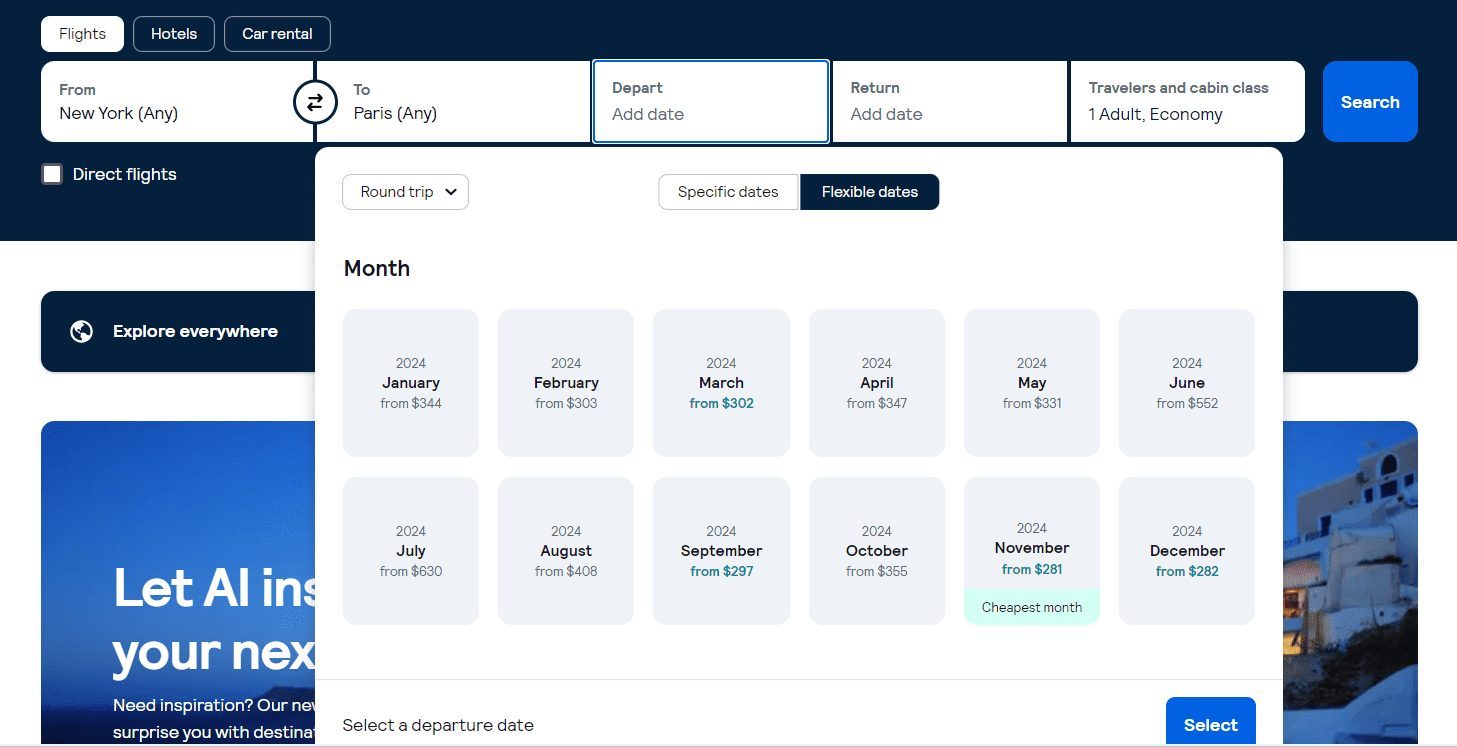
Key takeaway: always convert savings into time and hassle. If a flight saves you $40 but costs you a vacation day, is it really cheaper?
5. Flexibility, refunds, and the hidden cost of rigid tickets
Another trap: ultra‑cheap fares that are brutally inflexible. On paper they look like a win. In real life, they can be expensive.
Many low fares are:
- Non‑refundable – you get a credit at best, not cash.
- Change‑restricted – high change fees, fare differences, or no changes at all.
- Heavily limited – no same‑day changes, no standby, no name changes.
Airlines love to sell flexible
or refundable
add‑ons at checkout. Sometimes they’re worth it. Often they’re not, especially if your credit card already includes trip cancellation or delay coverage.
Here’s how I think about flexibility when I’m weighing the real cost of budget flights vs full‑service options:
- If my plans are fixed (a wedding, a non‑moveable event), I’m okay with a non‑refundable ticket, but I still check what happens if the airline cancels or changes the flight.
- If my plans are uncertain, I compare the cost of a flexible fare vs the risk of losing the entire ticket. Sometimes paying $40 more for a semi‑flexible fare is cheaper than eating a $300 loss later.
- I always read the fine print on airline insurance. Many policies are narrow, and my travel credit card often covers the same scenarios.
Key takeaway: flexibility has a price, but so does rigidity. Don’t just ask How cheap is this?
Ask What happens if I need to change this?
6. Timing your booking: why waiting for last-minute deals usually backfires
There’s a persistent myth that flights get cheaper if you wait until the last minute. That used to be true sometimes. Today, it’s mostly wishful thinking.
Modern airline pricing is driven by algorithms that:
- Raise prices as the plane fills up
- Respond to demand spikes (holidays, events, school breaks)
- Adjust based on route competition and seasonality
Data from multiple sources suggests a rough sweet spot for booking:
- Domestic flights: around 3–8 weeks before departure
- International flights: around 6–10 weeks before departure
There are exceptions, but the pattern is clear: prices usually rise in the last 2–3 weeks, especially in the final 7–10 days. Last‑minute deals still exist, but they’re rare, often on awkward routes or times, and usually come with harsh restrictions.
Instead of gambling on last‑minute magic, I do this:
- Set price alerts on a few tools (Google Flights, Skyscanner, etc.).
- Watch prices for a week or two to understand the range.
- Book when I see a fare that’s clearly on the lower end of that range.
Key takeaway: time is part of the cost equation. Waiting too long can turn a decent fare into an expensive one, even if the base price looked promising at first.
7. A simple step-by-step framework to compare total trip cost
Let’s put this all together into a practical checklist you can use every time you book. Think of it as your personal flight cost comparison step by step guide.
When I compare flights, I literally run through this list:
- Define the trip
- Where am I going, and when?
- How many bags? Any special needs (kids, sports gear, work equipment)?
- How flexible are my dates and times?
- Shortlist 3–4 options
- Use a comparison site like Cheapflights to see multiple airlines side by side.
- Include at least one budget airline and one full‑service airline for contrast.
- Calculate the real price for each option
- Base fare + taxes (mandatory)
- Checked bags + carry‑on fees (if any)
- Seat selection (if you care)
- Airport transfers (if using a far‑out airport)
- Any change fees or flexibility you realistically need
- Score the non‑price factors
- Travel time and layovers
- Departure/arrival times
- Airport convenience
- Reliability and rebooking options
- Make an honest comparison
- Which option is cheapest after all realistic costs?
- Is the savings worth the extra time, hassle, or risk?
If you want to practice this without committing to a real booking, you can play with an airfare estimator like the one at Calculators for Home. It’s not live pricing, but it’s a great way to see how each choice (bags, seats, class, insurance) moves the total and to get a feel for a total trip price vs base fare comparison.
Key takeaway: don’t rely on gut feeling. Run the numbers. The cheap
option often loses once you price the trip you’ll actually take.
8. When budget airlines really are cheaper (and when to avoid them)
After all this, you might think I’m anti‑budget airline. I’m not. I use them. But I use them strategically.
Budget airlines can be a great deal when:
- You travel ultra‑light (personal item only).
- You don’t care where you sit.
- You’re flexible on time and date.
- You understand their rules and are willing to play by them.
They’re often a terrible deal when:
- You need at least a carry‑on and a checked bag.
- You’re traveling with kids or a group and want to sit together.
- You’re on a tight schedule and can’t afford delays or cancellations.
- You value loyalty benefits, miles, or easier rebooking.
On many routes, once you add a carry‑on and basic flexibility, legacy carriers like United, Delta, or others end up cheaper overall than ultra‑low‑cost competitors. The trick is to stop comparing $49 vs $99
and start comparing total trip cost vs total trip cost.

Final thought: the next time you see a suspiciously cheap fare, don’t ask Can I afford this?
Ask What’s missing from this price?
Once you start thinking that way, you’ll dodge more airline fee traps, avoid flights you regret, and book trips that actually feel like a good deal.