I love a good flight deal. I’ve also stumbled off a 30-hour, three-connection itinerary and thought: That discount wasn’t worth this.
If you’ve ever debated paying more for a nonstop, a better schedule, or a red-eye, this is for you.
Let’s put real numbers on your time, your energy, and your sanity so you can stop guessing and start making deliberate choices about the flight cost vs travel time trade off.
1. Put a Dollar Value on Your Time (Before You Search)
Most people start with ticket price. I start with an hourly rate for my time.
Here’s a simple way to do it:
- If you’re salaried: Take your after-tax hourly rate (roughly your net monthly pay divided by hours worked). Round it. Maybe it’s $20, $40, $80 per hour.
- If you’re self-employed or freelance: Use your billable rate or what you could realistically earn in that time.
- If you’re not working or on vacation time: Still pick a number. Ask yourself:
What is one hour of my free time worth to me?
$15? $30? $100?
Now set a rule of thumb so you can quickly judge the value of time in flight planning:
- Baseline rule:
I’m willing to spend up to 1–1.5x my hourly rate to save an hour of travel time.
- For short trips or important events: Maybe 2–3x your hourly rate per hour saved.
Example: If you value your time at $30/hour and a nonstop saves you 4 hours over a layover option, that time is worth about $120. If the nonstop costs $80 more, it’s a good deal. If it’s $250 more, maybe not.
It might sound clinical, but it’s freeing. Instead of asking, Ugh, should I pay more?
you’re asking: Is this a good trade at my rate?
That’s how you price your time when traveling instead of letting the airline do it for you.
2. Nonstop vs Layover: Run the Numbers, Not Just the Feelings
Nonstop flights usually cost more. One analysis suggests they’re roughly 25% pricier on average than itineraries with layovers. But they also cut total travel time, stress, and the risk of missed connections or lost bags.

Here’s how I compare options when I’m weighing direct flights vs cheap connecting flights:
- Calculate total door-to-door time for each option.
- Include: getting to the airport, check-in/security buffer, flight time, layovers, immigration, baggage claim, and transit to your stay.
- Don’t forget
hidden
time: waiting in lines, wandering terminals, being too tired to do anything on arrival.
- Put a value on the time difference.
- If the layover itinerary adds 5 hours and your time is $30/hour, that’s $150 of your time.
- If the layover saves you $200, you’re effectively being
paid
$40/hour to endure the extra time. That might be worth it.
- Add a hassle premium.
- Connections add risk: missed flights, rebooking, sleeping on the floor at 2 a.m.
- For tight schedules, I mentally add another 1–2 hours of
stress cost
to layover itineraries.
When do I happily pay more for nonstop?
- Trips under 5 days (every hour at the destination matters).
- Important events: weddings, interviews, cruises, tours that can’t be rescheduled.
- When I’m already exhausted or traveling with kids or elderly relatives.
When do I embrace layovers?
- Long trips where arriving a few hours later doesn’t matter.
- When the price difference is huge and I’m not on a tight schedule.
- When I can turn the layover into a mini-destination (more on that later).
The key: don’t follow a blanket rule like Always nonstop
or Always cheapest.
Run the math for this trip and be honest about the cost of lost time on travel days.
3. Red-Eye vs Long Layover: Are You Trading Money or Sleep?
Red-eye flights and long layovers are both cheap but painful
tools. The right choice comes down to one question: Can you actually sleep on planes?
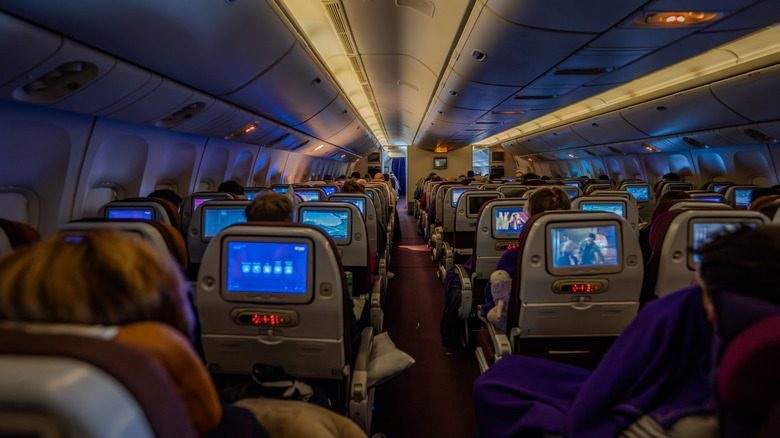
Here’s how I think about it when I’m doing a quick time vs money in trip planning check.
Red-eye pros
- Often cheaper and more available on popular routes.
- Save daytime hours; you arrive in the morning and can, in theory, start your day.
- Fewer connections, less time in airports, lower risk of missed flights and lost luggage.
- Cabin is usually quieter; people are trying to sleep.
Red-eye cons
- If you can’t sleep in economy, you arrive wrecked.
- Immigration, customs, and transit are brutal when you’re sleep-deprived.
- Jet lag hits harder when you start from a sleep deficit.
Long layover with a hotel pros
- Real bed, real shower, real reset.
- You arrive more functional, which matters if you need to drive, work, or be social.
- Sometimes cheaper than a better-timed nonstop or premium cabin.
Long layover cons
- More total travel time.
- More chances for delays to cascade.
- Airport hotels and transfers add cost.
How to decide:
- If you sleep easily on planes: a red-eye is often the best time–money trade.
- If you never sleep on planes: price out an itinerary with a long layover and hotel. Compare the extra cost to what a full lost day at your destination is worth.
- If you’re traveling for something important the next day (meeting, wedding, driving long distances): err on the side of arriving rested, not just early.
Ask yourself: Would I pay $X to avoid starting this trip with a sleep hangover?
That’s the real decision hiding inside the cheap flights vs time cost question.
4. Turning Layovers into Mini-Trips (So the Time Isn’t “Wasted”)
Sometimes the cheapest flights are the ones with long layovers. That doesn’t have to mean 10 hours of fluorescent lighting and bad coffee.
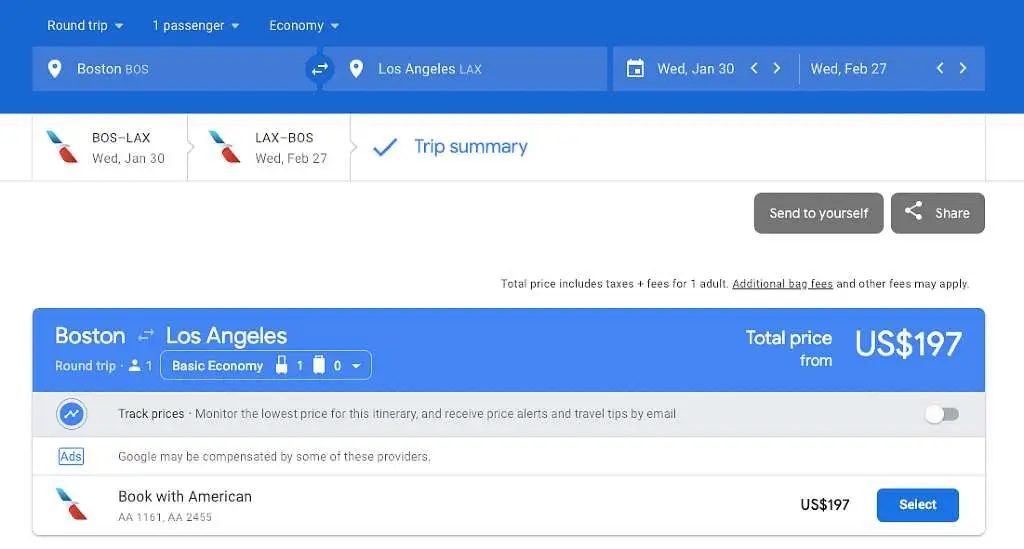
With a bit of planning, you can turn a layover into a bonus destination and still save money. Some airlines and airports even encourage this:
- Intentional long layovers: Break a long trip into two tickets (e.g., Boston–LAX, then LAX–Sydney) and spend a day or two in the middle city. Tools like Google Flights make it easy to see these combinations and do your own travel planning time vs savings analysis.
- Stopover programs: Some airlines offer free or cheap hotels for long, forced layovers (often called STPC—Stopover Paid by Carrier). Carriers like Turkish Airlines and others sometimes do this; check the airline’s site for details.
- Free transit tours: Major hubs like Singapore Changi, Seoul Incheon, Doha, Istanbul, and others offer free or low-cost city tours if your layover is long enough.
But there’s a catch: self-made layovers mean self-made risk. If you book separate tickets and your first flight is delayed, the second airline doesn’t have to help you. You’re on your own for rebooking.
So when I consider a DIY long layover, I ask:
- How much am I saving versus a simple through-ticket?
- Is the layover long enough to comfortably clear immigration, enjoy the city, and get back with a buffer?
- What’s the cost of a missed second flight (money + stress)?
If the savings are big and the layover is long enough to be fun, not frantic, I treat it as a 2-for-1 trip. If not, I skip it.
5. Health, Comfort, and the Hidden Cost of Ultra-Long Flights
Ultra-long-haul flights (17–20 hours) sound efficient: one takeoff, one landing, done. But they come with their own price: health risks, discomfort, and mental fatigue.
On very long flights, you’re dealing with:
- Low humidity and dry air.
- Higher exposure to germs in a closed space.
- Increased risk of blood clots, especially if you’re older, have certain medical conditions, or sit still for long periods.
Some travelers swear by these flights because they avoid the chaos of connections. Others would rather break the journey into two segments and stretch, sleep in a real bed, and reset.
Here’s how I decide:
- If I’m in economy and the flight is 15+ hours: I seriously consider a stopover, especially if I have any health concerns.
- If I can afford extra space (premium economy or better): I’m more willing to do the ultra-long-haul, but I still factor in how I usually feel after 10+ hours in the air.
- If I have medical risk factors: I talk to a doctor and lean toward shorter segments, even if they’re less convenient.
Basic health precautions that cost almost nothing but save a lot of misery:
- Move and stretch regularly; set a timer if you have to.
- Stay hydrated; bring a refillable bottle.
- Use wipes and hand sanitizer; planes are high-touch environments.
- Don’t start the trip already sleep-deprived if you can avoid it.
When you’re comparing a 20-hour nonstop to a 26-hour itinerary with a real overnight break, ask: What is my body going to feel like at the end of each option?
That answer is part of the time value calculation, even if it doesn’t show up on the receipt.
6. The Money You Don’t See: Fees, Credits, and Payment Tricks
Time isn’t the only hidden variable. The cheap
flight can quietly get more expensive once you factor in currency, fees, and how you pay.

Currency and payment
- Always view prices in your home or preferred currency. On tools like Google Flights, change the currency setting so you’re not mentally converting or missing how much you’re really spending. It also helps you spot when a
deal
isn’t actually a deal after conversion. - Watch for foreign transaction fees. Your bank may add 1–3% on top of the ticket price if it’s processed abroad.
- Use local payment options when possible. Sometimes they come with better exchange rates and fewer fees.
Travel credits and vouchers
If you fly regularly, you might be sitting on travel credits without realizing it. Airlines like United issue different types of credits (future flight credits, travel certificates, etc.) with different rules about who can use them and when they expire.
Before you decide that a better-timed flight is too expensive,
log into your frequent flyer accounts and check:
- Do you have credits that can offset the cost of a more convenient itinerary?
- Do they expire soon (book-by vs travel-by dates)?
- Can they be used for extras like seat upgrades or extra legroom?
Sometimes the expensive
nonstop becomes the obvious choice once you apply credits that were going to expire anyway.
Pay-over-time without interest
If the only thing pushing you toward a miserable itinerary is cash flow, not total cost, consider layaway-style tools (not high-interest credit). Some services let you lock in a fare with a small deposit and pay the rest in installments with no interest, issuing the ticket once you’ve paid in full. That can make a more humane schedule possible without paying more overall.
The point: don’t let bad payment logistics force you into bad time trades or classic mistakes chasing the lowest airfare.
7. A Simple Framework You Can Reuse for Every Trip
When I’m staring at a page of flight options, here’s the quick framework I run through to decide if a cheap flight is worth the schedule disruption:
- Set your hourly value. Pick a number for this trip (it can change depending on how busy or tired you are).
- Compare total travel time. Door-to-door, including layovers and realistic buffers.
- Price the time difference. Extra hours × your hourly value. Is the savings worth what you’re
paid
to endure it? - Add context:
- Is this trip short or long?
- Is there an important event at the start?
- How well do you sleep on planes?
- Any health or mobility issues?
- Check hidden money:
- Currency and card fees.
- Existing travel credits or vouchers.
- Stopover programs or free hotels on long layovers.
- Make a conscious trade. Finish the sentence:
I’m choosing this option because I’m willing to trade X hours and Y comfort for Z dollars.
Once you start thinking this way, you stop chasing the absolute cheapest fare and start buying what you actually want: more time at your destination, less stress, or sometimes, yes, a big discount in exchange for a long day of travel.
The key is that you decide what your time is worth—before the airline’s pricing algorithm decides for you.