I’ve learned the hard way that a $200 flight can turn into a $2,000 mistake once you see hotel prices, resort fees, and $18 airport sandwiches. So when I see a “too good to be true” fare, I don’t ask Can I afford this flight?
I ask Can I afford this entire trip?
This is where a proper trip cost comparison by city really matters. In this guide, I’ll walk you through how I compare the total cost of a vacation across different cities when flights look cheap but everything on the ground doesn’t. The goal: stop optimizing for the cheapest ticket and start optimizing for the best-value trip.
1. Start With the Flight Deal, But Treat It Like a 24-Hour Option
When a cheap fare pops up, I don’t sit on it. I also don’t blindly commit. I treat it like a temporary option, not a done deal.
Here’s the basic play, inspired by Clark Howard’s rule from his travel advice:
- Book the cheap flight immediately if it’s a legit deal and the airline offers a 24-hour free cancellation (most U.S.-sold tickets do).
- Use that 24-hour window to investigate everything else: hotels, local transport, food, activities, and any hidden travel fees and local taxes.
- Cancel with zero guilt if the total trip cost is out of control. You lose time, not money.
This mindset flips the usual fear. Instead of What if the price goes up?
I’m asking, What if the hotel is triple what I expected?
While I’m in that 24-hour window, I’ll also sanity-check the flight itself using an airfare estimator like the one described on Calculators for Home. It breaks down base fare, taxes, baggage, seat fees, and insurance so I’m not blindsided by add-ons when I think I’ve found cheap airfare.
2. Build a Simple Total-Trip Cost Framework (Not Just a Flight vs Hotel Guess)
To compare total trip cost across cities properly, I need a consistent framework. Otherwise I’m just reacting to random prices and vibes.
I break every trip into the same core buckets for a full vacation cost calculator in my head (or spreadsheet):
- Flights (ticket + bags + seat fees + insurance if I’m buying it)
- Accommodation (nightly rate + taxes + resort/cleaning fees)
- Local transport (airport transfers, public transit, rideshares, rental car or Turo)
- Food & drinks (realistic daily average, not fantasy numbers)
- Activities & tours (including “must-do” splurges)
- Miscellaneous (souvenirs, SIM/eSIM, tips, random fees)
Then I compare cities using the same structure. That’s the only way to see that, for example, City A with a $150 flight and $300 hotels might actually be more expensive than City B with a $450 flight and $120 hotels once you look at the total travel cost breakdown.
Tools help here. The Google Sheets vacation cost calculator from Meghan the Traveling Teacher is a good example of how to structure this. You plug in options for flights, hotels, transport, and activities, then mark what you actually book so the totals update automatically.
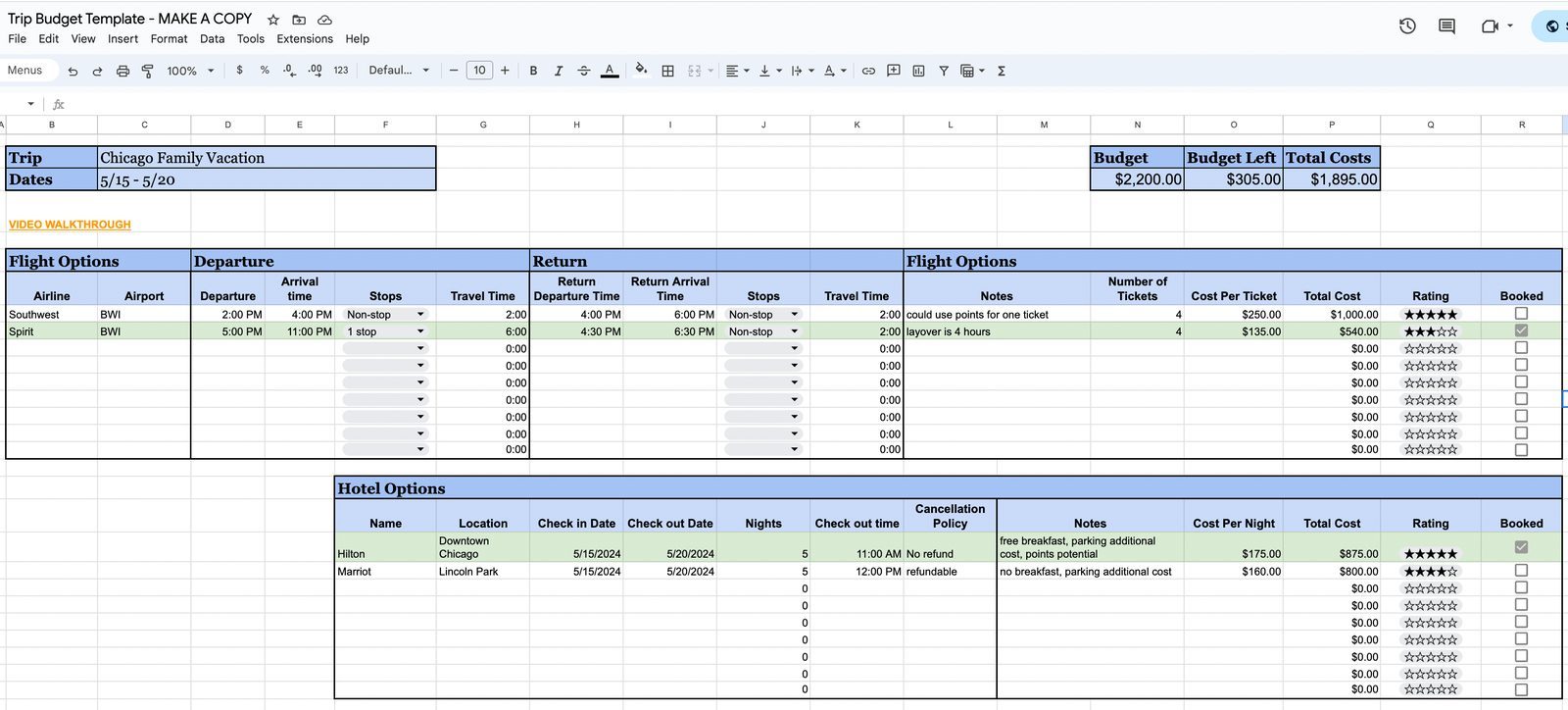
The key idea: I’m not just listing prices. I’m forcing every destination to compete on the same playing field so I can actually compare total trip cost across cities, not just glance at airfare.
3. Use Realistic Daily Cost Ranges, Not Wishful Thinking
Most people underestimate what they’ll spend per day. I used to, too. I’d budget like I was going to eat street food every meal and then somehow end up at mid-range restaurants and rooftop bars.
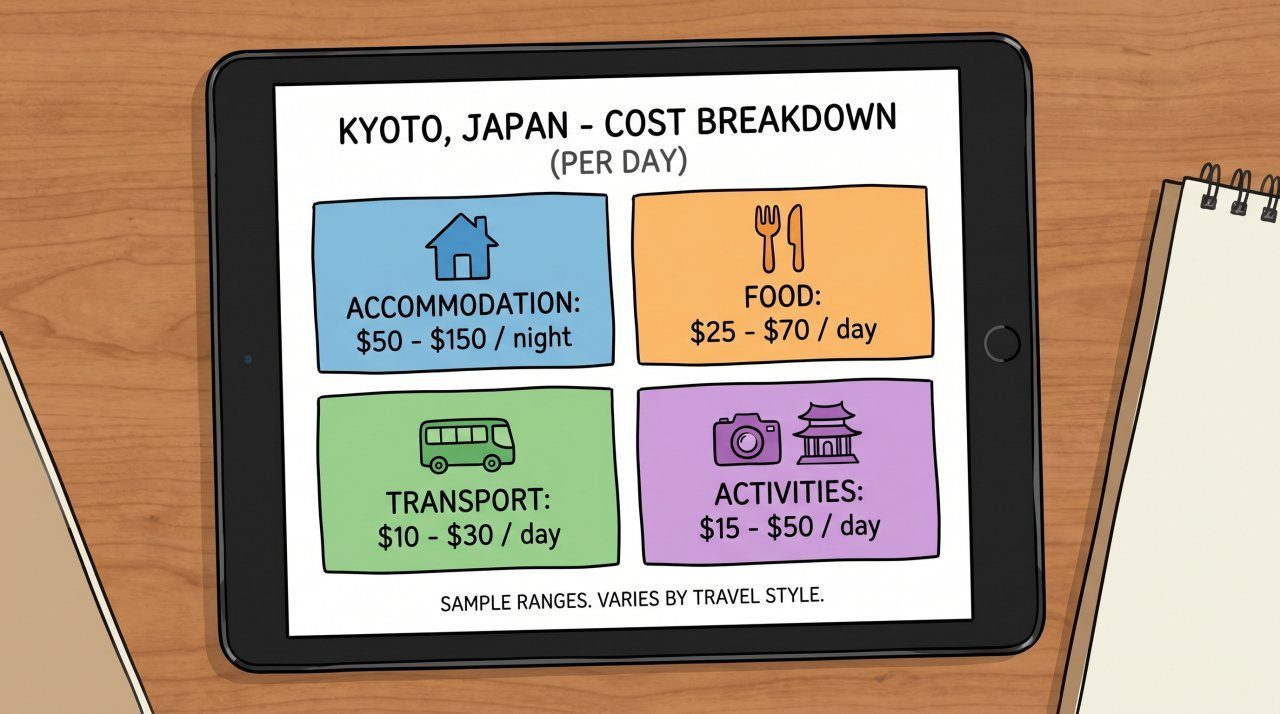
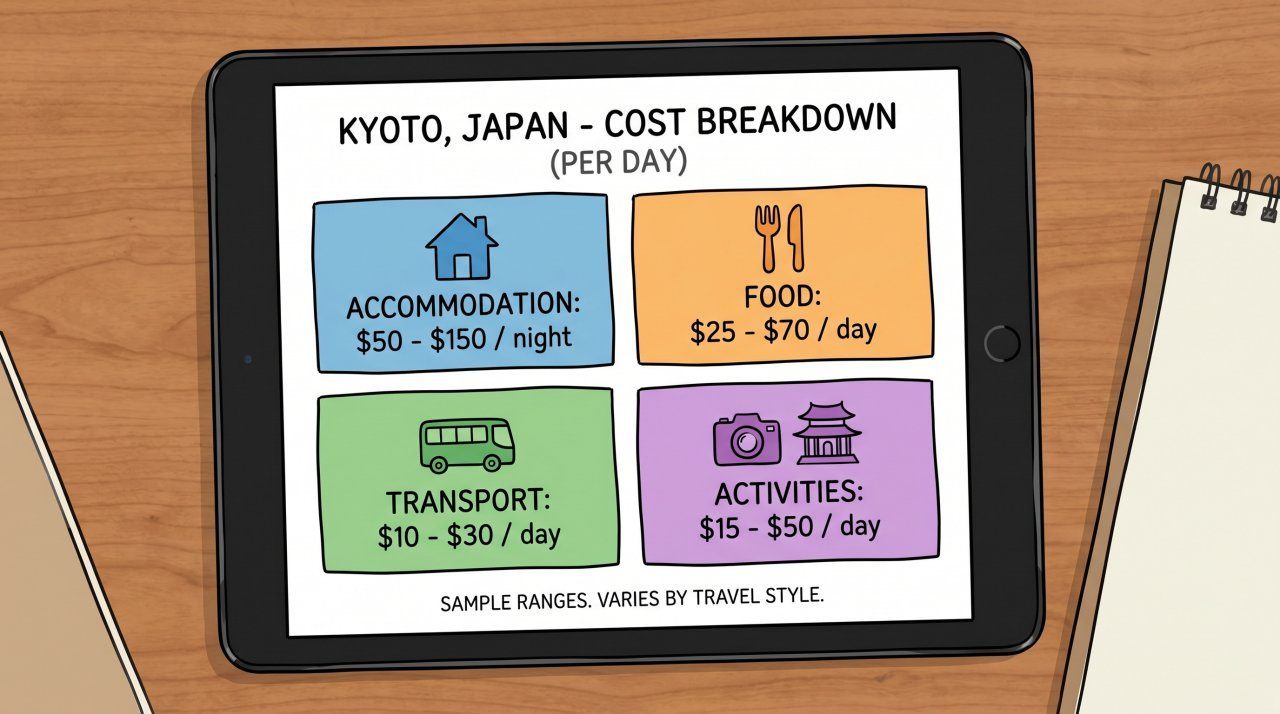
Now I start with realistic ranges instead of single numbers. That’s why I like the approach behind the AI trip cost estimator on GetOutTrip: it gives low–high ranges for accommodation, food, transport, and activities based on destination, month, group size, and budget tier.
Here’s how I adapt that idea when I’m doing a city vacation cost comparison:
- Accommodation: I look up a few realistic options (not the absolute cheapest, not the dream hotel) and note a
likely range
per night. For example, $90–$130 instead of just $100. - Food: I assume at least one sit-down meal per day, plus coffee, snacks, and maybe a drink. In many cities, that’s easily $35–$60 per person per day, more in expensive places.
- Transport: I estimate a daily average: maybe $5–$10 in a transit-friendly city, $20–$40 where I’ll rely on rideshares, or more if a rental car is essential.
- Activities: I list the big ones I know I’ll do (museum passes, boat tours, day trips) and spread that cost across the trip.
Then I multiply by trip length and add flights. I end up with something like:
- City A (5 nights): $1,150–$1,450 total
- City B (5 nights): $900–$1,100 total
Now I’m comparing ranges, not illusions. If City A’s low estimate is already above my budget, I know it’s a stretch. This is how I estimate daily travel expenses by city without lying to myself.
4. Make Flights and Hotels Talk to Each Other (Not Compete)
The biggest mistake I see: people hunt for the cheapest flight in one tab and the cheapest hotel in another, but never look at the combined number. I want one view where flights and accommodation sit side by side so I can see the all in travel cost including fees.
That’s why I like tools that merge the two. For example, FlyBnB (described on FlyBnB.io) shows flight prices and Airbnb options together, grouped into Economy, Standard, and Premium tiers. The whole point is to avoid the trap where a $150 flight leads you to a city where every decent stay is $300+ per night. Cheap airfare vs hotel prices can be a nasty combo.
Even if I’m not using that exact tool, I copy the same logic:
- Step 1: Pull up flights for 2–3 candidate cities on a metasearch site like KAYAK or FlightsFinder’s package dashboard (FlightsFinder).
- Step 2: For each city, open a hotel or Airbnb search for my actual dates and filter to my minimum standards (rating, location, cancellation policy).
- Step 3: Pair each flight with a realistic accommodation option and write down the combined cost for the whole stay.
Now I’m not asking Which flight is cheapest?
I’m asking Which flight + hotel combo gives me the best value?
That’s how I avoid classic travel budgeting mistakes with cheap flights.
Sometimes the answer is surprising. A slightly more expensive flight to a less-hyped city can save hundreds once you factor in cheaper stays and lower daily costs.
5. Factor in Seasonality, Group Size, and the “Solo Penalty”
Two trips to the same city can have wildly different total costs depending on when you go and who you go with. Before I decide how to budget for flights and hotels, I adjust for three big variables.
Seasonality
From SmarterFlyer and other fare guides, we know:
- In the Northern Hemisphere, April–October is usually high season. Flights and hotels cost more.
- November–March is often cheaper and quieter, with exceptions for holidays and ski destinations.
- Shoulder season (just before or after peak) often hits the sweet spot: lower prices, decent weather, fewer crowds.
So when I compare cities, I don’t just compare Paris vs Lisbon
. I compare Paris in July vs Lisbon in May
. Same city, different month, different total cost. Seasonality can completely change your vacation pricing beyond airfare.
Group size and the solo penalty
The AI estimator on GetOutTrip makes a good point: costs don’t scale linearly with people.
- Groups can split apartments, taxis, and private tours, making the per-person cost drop.
- Solo travelers often pay full price for private rooms and transfers. That’s the solo penalty.
When I’m traveling solo, I’ll often:
- Look harder at hostels or shared apartments with good reviews.
- Favor cities with excellent public transit so I’m not paying for taxis alone.
- Be more cautious about destinations where a rental car is basically mandatory.
When I’m with friends, I’ll consider:
- Upgrading to a nicer apartment that’s still cheaper per person than two or three hotel rooms.
- Booking private transfers or tours that become cheaper per person than group options.
Bottom line: I don’t just divide everything by the number of people. I think about which costs are shared and which aren’t when I do a trip cost comparison by city.
6. Don’t Ignore Local Transport, Fees, and “Invisible” Costs
Some cities are cheap to fly into but expensive to exist in. Others are the opposite. The only way to see this is to dig into the boring stuff most people skip.
Here’s what I check for each city before I commit:
- Airport transfers: Is there a cheap train or bus into town, or am I stuck with $50 taxis each way?
- Daily mobility: Can I walk and use transit, or will I be ridesharing everywhere?
- Mandatory fees: Resort fees, city taxes, cleaning fees on Airbnbs, parking fees if I rent a car.
- Car rental vs alternatives: If rental cars are insane, can I use Turo or local car-sharing instead (as Clark Howard suggests)?
These “invisible” costs can easily add $30–$80 per day to a trip. That’s the difference between a bargain and a budget-buster, especially when you think you’ve found cheap flights but expensive hotels and fees are waiting.
When I’m comparing two cities, I’ll literally write down:
- City A: $15 airport train + $5/day transit pass, no resort fees.
- City B: $60 taxi each way + $25/day resort fee + $20/day parking.
Suddenly that cheap flight to City B doesn’t look so cheap. This is where a flight, hotel, and local fee comparison really pays off.
7. Use Tools to Stress-Test Your Budget Before You Commit
Once I’ve sketched out my total trip cost for each city, I like to stress-test it. I assume I’m underestimating something. Because I usually am.
Here’s how I do that:
- Run a quick AI or spreadsheet estimate: Use a structured tool like the Google Sheets calculator or an AI estimator to see if my numbers are in the same ballpark as a more formal full vacation cost calculator.
- Compare packages vs DIY: On a site like FlightsFinder, I’ll compare bundled flight+hotel packages against my separate bookings. Sometimes packages win by 10–20%; sometimes DIY is cheaper.
- Check flexible dates: Using KAYAK or similar, I’ll look at +/- 3 days to see if shifting my trip by a day or two saves enough to matter.
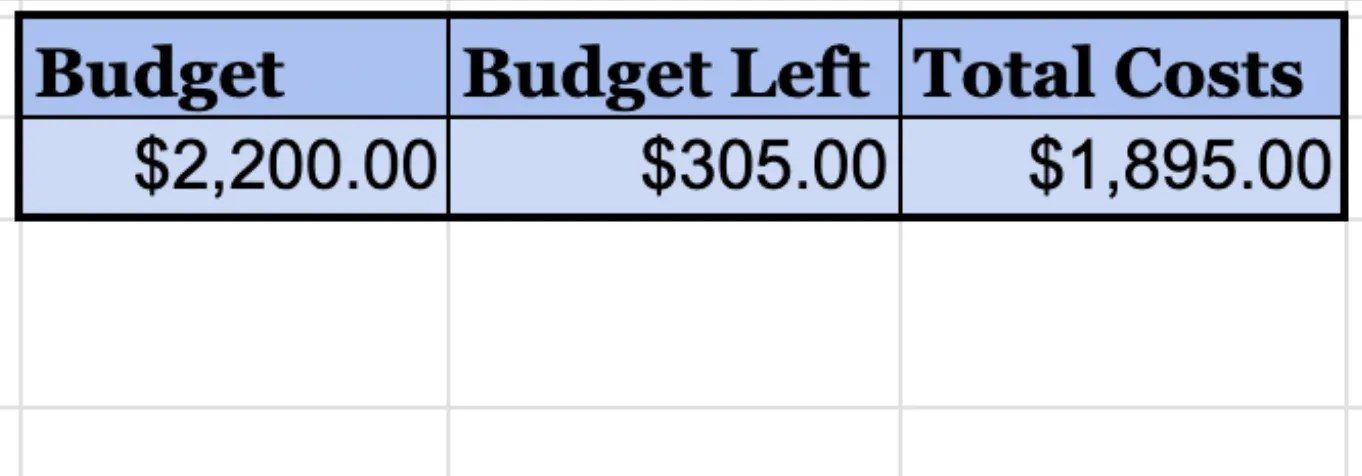
If my budget only works when everything goes perfectly, I treat that as a red flag. I want a buffer for surprises: a last-minute tour, a nicer dinner, a delayed flight that forces an extra night.
8. Decide With Your Eyes Open: Value, Not Just Price
After all this, I usually end up with 2–3 realistic options. At that point, I’m not just comparing numbers. I’m asking:
- Which city gives me the best experience per dollar?
- Where will I feel relaxed about spending, not stressed?
- Which option still feels good if everything costs 10–15% more than I planned?
Sometimes I still choose the more expensive city because it’s a dream destination. But I do it with my eyes open, not because a cheap flight tricked me.
If you start treating cheap flights as invitations to run the numbers—not as automatic yeses—you’ll make much smarter decisions. You’ll skip the trips that only look affordable on the surface and say yes to the ones that are genuinely good value once you add everything up.
Next time you see that irresistible fare, don’t just ask Can I get there cheaply?
Ask Can I afford to be there?
That’s the question that actually protects your wallet and helps you choose your destination by total cost, not just the headline airfare.