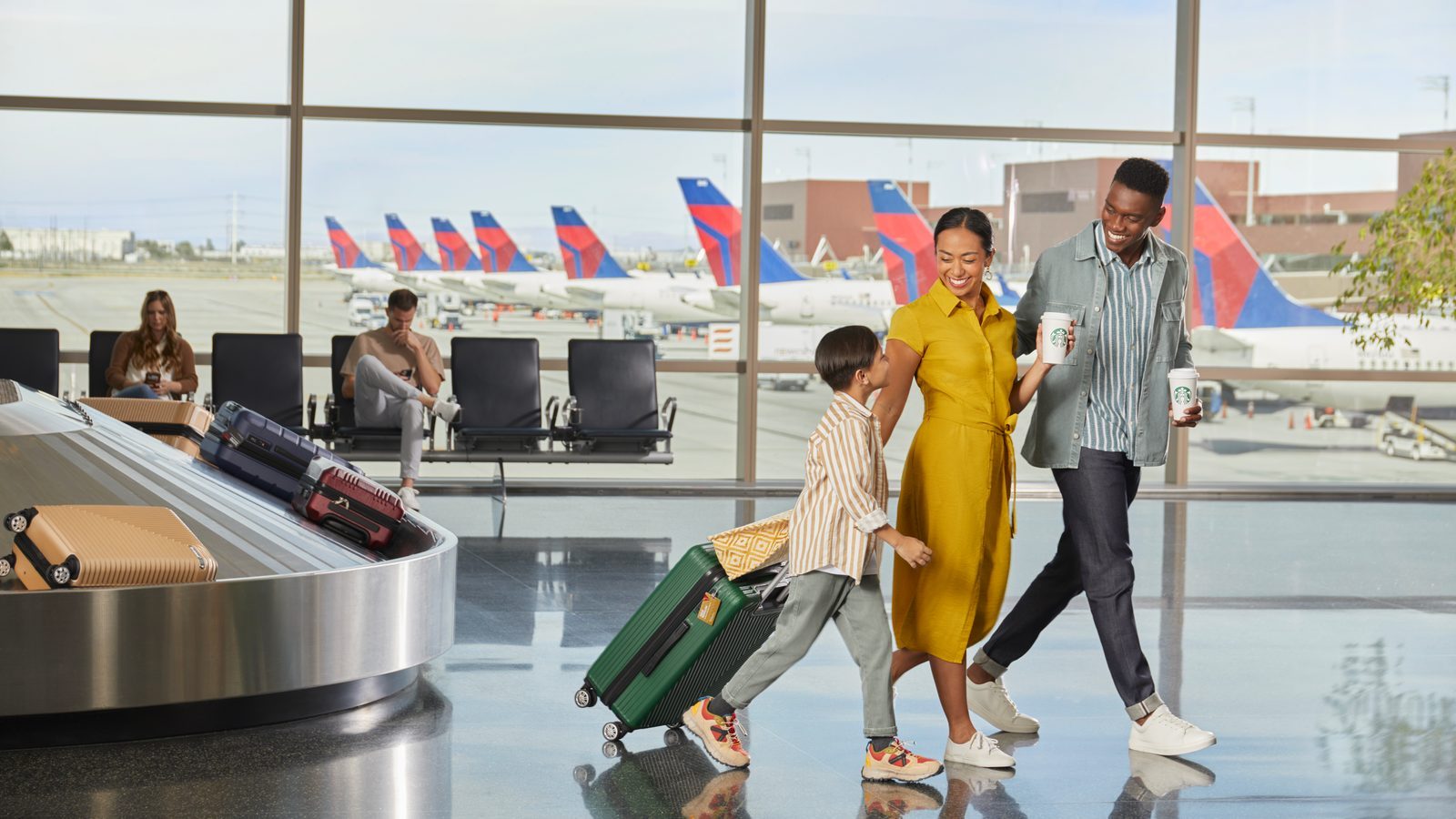
I’ve lost count of how many parents have whispered the same fear to me at the gate: What if they split us up and my 6‑year‑old ends up sitting alone?
Airlines know that fear is powerful. And they know many of us will pay extra just to make it go away.
But here’s the thing: if you understand how airline seating really works, you can usually keep your kids beside you without handing over a pile of seat fees. With a bit of planning, family travel on a budget is absolutely possible. Let’s walk through the decisions that matter, step by step.
1. Should I Pay for Seats at All?
This is the first fork in the road. The booking page flashes a warning: Don’t risk being separated from your family!
and suddenly that $30 per seat doesn’t look so bad.
Before I click anything, I pause and ask myself three questions:
- How old are my kids? Under 12 is the key age for many regulators and airlines.
- Which airline am I flying? Full‑service vs ultra‑low‑cost makes a huge difference in family seating rules and fees.
- How full is this flight likely to be? Peak holiday Saturday or random midweek?
On many full‑service airlines, basic seat selection is free or cheap, especially at booking. On some low‑cost and ultra‑low‑cost carriers, seat fees are a core part of their business model. They’ll happily let you panic‑buy.
My rule of thumb:
- Short flights, kids 8–12, non‑peak times: I usually skip paying and rely on policies plus a good check‑in strategy.
- Very young kids (under 5) or critical connections: I’m more willing to pay for a few key seats if the airline is notorious for nickel‑and‑diming.
The goal isn’t to never pay. It’s to avoid paying when the system is already designed to keep you together and you can still keep your family travel on a budget.
2. Am I Using the Airline’s Own Rules to My Advantage?
Most families don’t realize this: airlines often have family seating rules that already protect you, especially when kids are involved. They just don’t shout about them, because selling seats is big business.
Some examples pulled from real policies and regulator guidance:
- In the UK, the Civil Aviation Authority recommends that children under 12 sit with their parents without extra fees. It’s guidance, not law, but airlines tend to follow it to avoid complaints.
- Air France seats parties with children under 15 together as a matter of policy.
- British Airways and Virgin Atlantic ensure children under 12 sit with at least one adult in their group.
- Disabled passengers and their companions are often entitled to complimentary reserved seating.
On ultra‑low‑cost carriers, the rules are different but still exploitable. For example, Ryanair requires one adult to pay for a seat, but then allows up to four children to be seated with that adult for free. Many families don’t realize this and pay for every single seat.
Before I book, I always:
- Search
[airline name] family seating policy
. - Scan for phrases like
children under 12
,must be seated with an adult
, orat least one adult
. - Check if there’s a regulator recommendation (like the UK CAA) that I can quote later if needed.
If the policy already promises to keep my kids with me, I’m far less inclined to pay for seats. I screenshot those pages. They’re useful if I need to push back at the airport about airline charges for parents sitting with kids.
3. Am I Grabbing the Free Seats at the Right Moment?
Here’s a quiet truth: many people get separated from their kids not because the airline is evil, but because they skip the free seat selection step when it’s available.
On a lot of full‑service airlines, you can choose standard economy seats for free:
- During the initial booking flow, or
- Right after booking via
Manage my booking
, or - At online check‑in (often 24 hours before departure).
The booking process is designed to rush you. You see a scary warning, you click Continue
, and you miss the one screen where free seats were available. Later, when you come back, those same seats are suddenly premium
and chargeable.
My routine now looks like this:
- At booking: I slow down. I look for any option that says
Choose seats
orStandard seats
before payment. If it’s free, I grab a block of seats together immediately so I can keep kids seated together on flights without extra cost. - After booking: I log in and check the seat map again. Sometimes more free seats open up as the system reshuffles.
- At check‑in: I check in the moment it opens. New seats often appear as people change plans or get upgraded.
Think of it as three chances to get free seats. Most families only use the last one.
4. How Do I Play the Game on Ultra‑Low‑Cost Airlines?
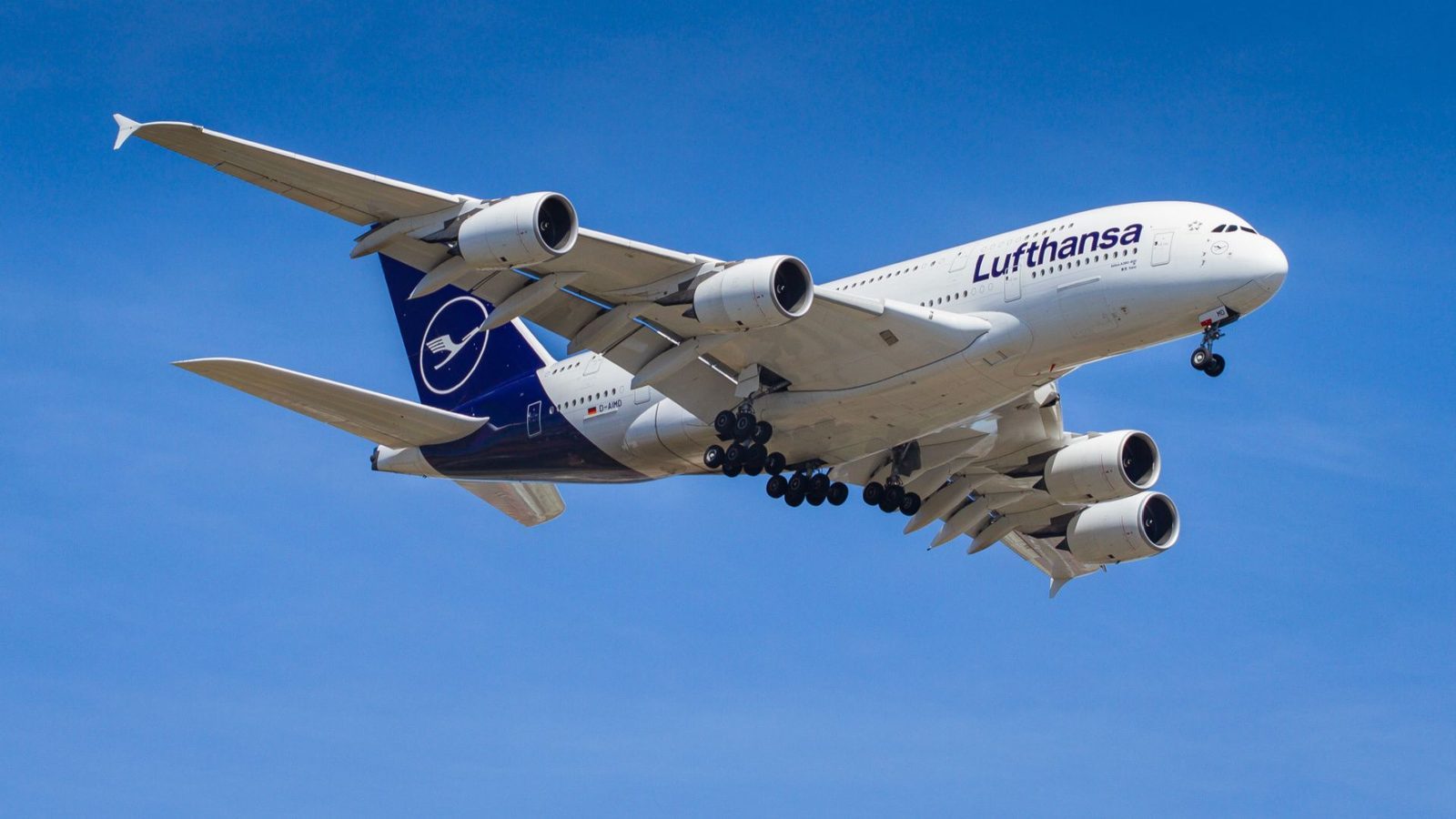
Ultra‑low‑cost carriers are a different beast. Their business model depends on fees. But even here, there’s a smarter way to play if you want cheap ways to book family airplane seats.
When I’m flying a budget airline, I ask:
- Is there a rule that one adult must pay, but kids are free with them? (Like Ryanair’s policy.)
- Do they auto‑seat children with an adult anyway? Many do, but they won’t promise it loudly.
- Is this a short hop or a long haul? I’m more relaxed on a 1‑hour flight than a 9‑hour one.
Here’s a strategy that often saves money on budget airline seat selection costs:
- Pay for one or two anchor seats (for the adults).
- Let the system auto‑assign the kids, who are usually placed next to or near those anchors.
- Accept that you might not all be in a perfect row, but your young children won’t be scattered across the cabin.
What I avoid is paying for every single seat in a big family group unless the airline clearly states they do not seat families together and I’ve decided the risk isn’t worth it.
And if the airline tries to separate a very young child from all adults? I calmly mention safety and their own policy. Cabin crew are usually quick to fix it, because no one wants a 4‑year‑old alone in row 32.
5. What If We’re Still Split Up at Check‑In?
Sometimes, despite all the planning, you open the seat map at check‑in and see the nightmare: your 7‑year‑old in 21B, you in 32E.
Here’s how I handle it without panicking or paying last‑minute airline family seating fees:
Step 1: Work the online seat map.
- Look for any pairs of seats together, even if they’re not ideal (back of the plane, near the toilets, middle seats).
- Move at least one adult next to each young child. My priority is
one adult per small kid
, not perfection.
Step 2: Get to the airport early and talk to staff.
- At bag drop or the check‑in desk, I say something like:
We’re happy to sit anywhere, but our 6‑year‑old is currently alone. Can you help us sit together without paying extra?
- I mention any relevant policy or regulator guidance I’ve found. Calm, factual, no drama.
Step 3: Use the gate as your last reshuffle point.
- Gate agents often have more flexibility once they see who actually showed up.
- I ask again, politely, and I’m clear that I’m not asking for extra legroom or special seats—just proximity to my child.
Most of the time, this works. Airlines don’t want the PR or safety headache of a young child sitting alone. But they also won’t always fix it automatically. You have to ask, early and clearly.
6. When Is It Actually Worth Paying for Seats?
There are moments when I stop being stubborn about fees and just pay. The trick is to be deliberate, not scared into it by warnings about airline charges for parents sitting with kids.
I consider paying when:
- We’re on a long‑haul overnight flight. No one wants a 10‑hour red‑eye with kids scattered around the cabin.
- We have a child with special needs or anxiety. The emotional cost of uncertainty is too high.
- The flight is peak season and nearly full. The seat map is already a sea of red.
- The airline’s policy is vague and their reputation is bad. Some carriers are known for being inflexible.
Even then, I don’t always pay for every seat. Sometimes I’ll buy a block of three seats for one adult and two kids, and let the other adult take whatever’s left. We still save money, and the kids are secure.
The key question I ask myself is: Am I paying for real value, or just for peace of mind that the airline would have given me anyway?
If I’m only buying certainty the airline already offers through free family seating policies, I rethink it.
7. How Do I Plan Ahead So I’m Not Forced to Pay?
Most of the stress around family seating comes from leaving things too late. A bit of planning turns the whole experience around and helps you avoid paying for seat selection with kids when you don’t need to.
Here’s the checklist I use now:
- Before booking:
- Compare airlines not just on fare, but on seat policies. A slightly higher ticket on a family‑friendly airline can be cheaper than a rock‑bottom fare plus four seat fees.
- Search for
family seating
andchildren under 12
on the airline’s site to understand family seating rules by airline. - Look at reviews or forums for common mistakes booking flights with children—people are very honest about bad experiences.
- At booking:
- Slow down and look for free seat selection screens.
- Grab any free block of seats together, even if it’s not your dream row.
- Note the total family seat selection cost if you did pay, so you can compare it with other airlines next time.
- After booking:
- Check the seat map occasionally. People cancel, upgrade, or move seats.
- Set a reminder for online check‑in opening time. When to book flights for family seating and when to check in can matter as much as which airline you choose.
- Day of travel:
- Arrive early enough to talk to staff without a time crunch.
- Be clear, calm, and flexible about where you sit, as long as you’re together.
Family travel on a budget is always a balancing act. Airlines will keep trying to sell you certainty. But once you understand their rules—and the quiet protections already in place—you can usually keep your kids beside you without paying for every square inch of the cabin.
And if you do decide to pay for seats, at least you’ll know you’re doing it by choice, not out of fear.