We’ve all done it. You sort a flight search by lowest price, spot that rock-bottom fare, and feel like you’ve just hacked the system. Then you show up at your hotel 18 hours later, exhausted, hungry, and somehow poorer than if you’d booked the “expensive” flight.
If that sounds familiar, keep reading.
This isn’t about avoiding cheap tickets. It’s about understanding the hidden costs of cheap flights—the layovers, secondary airports, and awkward arrival times that quietly blow up your budget. Once you see the full picture, it’s much easier to spot the real cheapest option before you hit “book.”
1. The Real Price of a Ticket: Door-to-Door, Not Screen-to-Screen
When I look at flights now, I don’t ask, What’s the cheapest ticket?
I ask, What’s the cheapest door-to-door trip?
Those are very different questions.
Most booking sites only show you the airfare. They ignore everything that happens before and after the plane: airport transfers, food, hotels, lost work time, even how wrecked you’ll feel when you land. But your bank account doesn’t care whether money disappears in the air or on the ground.
So when I compare cheap flights vs direct flights cost, here’s what I include in my personal door-to-door cost calculation:
- Transport to departure airport (train, bus, rideshare, parking)
- Transport from arrival airport to your actual accommodation
- Airport food and drinks (especially on long layovers)
- Hotels for overnight layovers or late arrivals
- Lost time (missed work, burned vacation days, arriving too tired to enjoy day one)
- Energy cost (how drained you’ll be and how that affects the rest of your trip)
Once you start thinking this way, a lot of “cheap” flights stop looking cheap.
Take this kind of scenario: a $120 fare with a 9-hour layover and a $40 taxi at 1 a.m. versus a $190 nonstop that gets you in at 4 p.m. with a $5 train into town. On the booking screen, the first one wins. In real life, it doesn’t. That’s the cheap airfare true cost breakdown you rarely see advertised.
2. Layovers: When a “Deal” Becomes an Expensive Time Sink
Layovers are where many travel budgets quietly bleed out.
Yes, flights with layovers are often cheaper than nonstops—on average, around 25% less in many comparisons. But that discount comes with strings attached: more time, more risk, and more chances to spend money you never planned on.
Here’s how layovers can erase your savings and turn into sneaky cheap flight layover costs:
- Airport food inflation
A long layover in a mediocre airport can easily mean two meals, coffee, snacks, and boredom purchases. A $12 sandwich here, $6 coffee there, $18 salad later. Multiply that by two people and your $60 “savings” is gone before you even board the next flight. - Fatigue tax
That 7-hour overnight layover where nothing is open? You’ll pay for it later in lost productivity, wasted first-day sightseeing, or needing an extra night of accommodation just to recover. The flight timing impact on your travel budget isn’t just money—it’s energy. - Delay domino effect
Every extra connection is another chance for a delay or missed flight. One hiccup and you’re buying last-minute food, hotels, or even a new ticket. Suddenly that “deal” is the most expensive option on the page.
So when does a layover actually make sense?
- When it has a purpose: You’re using it as a mini-trip (a stopover) to see another city, not just sitting in a plastic chair for 8 hours.
- When the savings are real: Not $30–$50. Think hundreds of dollars, especially on long-haul routes.
- When the airport is decent: Good seating, food options, maybe even showers or transit tours.
Before you book a layover, ask yourself:
If I had to pay cash for this extra time and hassle, would I still buy it?
3. Turning Long Layovers into Stopovers (So They Actually Pay Off)
There’s one big exception where I genuinely like “cheap” flights with long breaks: when I can turn a layover into a stopover and squeeze an extra city into the trip.
A stopover is basically a layover you’ve upgraded on purpose. Instead of 4–7 dead hours in an airport, you give yourself 9+ hours or even a couple of days to explore a city along the way. Done right, it flips the script on the hidden costs of cheap flights and turns them into a bonus.
Some ways to do this smartly:
- Split your own itinerary
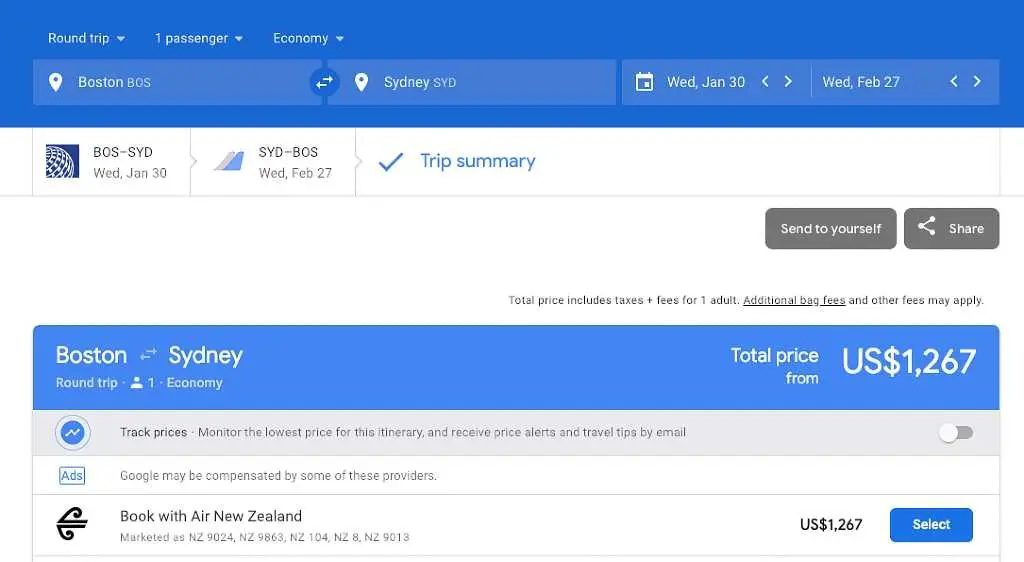
Instead of booking Boston–Sydney as one ticket, you might book Boston–LAX and LAX–Sydney separately. Sometimes this saves hundreds of dollars and gives you a day or two in Los Angeles. The same logic works for Europe, Asia, and beyond. Just be sure to leave generous time between flights. - Use airline stopover programs
Some airlines quietly offer free or cheap stopovers, sometimes even with a hotel included (often called STPC – stopover paid by carrier). Carriers like Turkish, Royal Jordanian, and China Southern have offered these on specific routes. The details are usually buried on their websites, but they’re worth digging for. - Take advantage of free transit tours
Major hubs like Singapore Changi, Seoul Incheon, Doha, Tokyo Narita, Taiwan Taoyuan, and Istanbul sometimes offer free or low-cost city tours if your layover is long enough. You turn a dead wait into a quick city sampler instead of another round of overpriced airport snacks.
The catch? You need to be organized:
- Check minimum layover times for transit tours (often 5.5+ hours).
- Make sure you have the right visa or entry permission to leave the airport.
- Book directly with the airline when possible; third-party sites can make changes and cancellations a headache.
Used well, a long layover can save money and add value. Used badly, it’s just a long, expensive wait.
4. Secondary Airports: The Cheap Flight That Strands You in the Middle of Nowhere
Budget airlines love secondary airports. Travelers usually don’t.
These airports are often marketed as if they’re in the main city, but they can be 45–90 minutes (or more) away. The airline saves on fees. You pay in time, hassle, and secondary airport extra expenses.
Here’s how secondary airports quietly cost you more and change the total trip cost, not just airfare:
- Longer, pricier transfers
That $39 flight into “Paris” might land you in Beauvais, not Charles de Gaulle. Add a $20–$30 bus, extra time, and maybe a taxi if you arrive late. Suddenly the “cheap” option is more expensive than a main-airport flight. - Fewer transport options at odd hours
Late-night arrivals at small airports often mean the last bus or train is gone. Now you’re stuck with a $60–$100 taxi or rideshare. Those airport transfer costs for cheap tickets add up fast. - Limited backup flights
Budget carriers using smaller airports often have fewer planes and fewer daily flights. If your flight is canceled, you might be rebooked the next day—or not at all.
Before you book, do this quick check:
- Google the airport code and confirm its exact location.
- Look up transport options and prices to your hotel (bus, train, taxi).
- Check the schedule for your arrival time—especially at night or early morning.
Then compare:
Base fare + ground transport + time at secondary airport
vs. Base fare + ground transport + time at main airport.
Once you factor in how airports affect total travel cost, the “expensive” main airport often wins on both money and sanity.
5. Awkward Flight Times: The Taxi-and-Hotel Trap
Very early departures and very late arrivals are classic ways cheap flights get you to spend more than you planned.
On paper, a 6:00 a.m. departure or 11:45 p.m. arrival looks fine. In real life, it can mean:
- Overnight airport hotels
If you need to be at the airport at 4:00 a.m. and public transport doesn’t run that early, you might end up paying for a hotel near the airport plus a taxi. That’s easily $80–$200 in many cities. - Late-night taxis
Arrive at 12:30 a.m., immigration takes an hour, the last train left at 11:30 p.m. Now you’re paying for a taxi or rideshare at surge pricing. Those late night flight arrival costs can wipe out any savings. - Wasted first or last day
If you arrive exhausted at 7:00 a.m. after an overnight flight with no sleep, you might lose your entire first day to recovery. That’s a hidden cost if you’re on limited vacation time.
When I compare flights now, I ask:
- Will I need a taxi because of the time?
- Will I need an extra hotel night before or after?
- Will this timing kill a full day of my trip?
Then I put a rough price on those:
- Taxi: $30–$100 depending on the city
- Hotel: $60–$200+
- Lost day of vacation: whatever that’s worth to you
Once you add those numbers, paying $60 more for a midday flight often looks like a bargain. The cost of choosing the wrong flight time is rarely obvious on the booking page—but you feel it later.
6. Budget Airlines: When “Ultra-Low Fare” Becomes Ultra-High Total Cost
Now for the elephant in the cabin: budget airlines.
Carriers like Spirit, Frontier, Ryanair, and others advertise eye-poppingly low base fares. But that’s only the opening move. Their business model leans heavily on ancillary fees—all the extras you pay after you think you’ve found a deal.
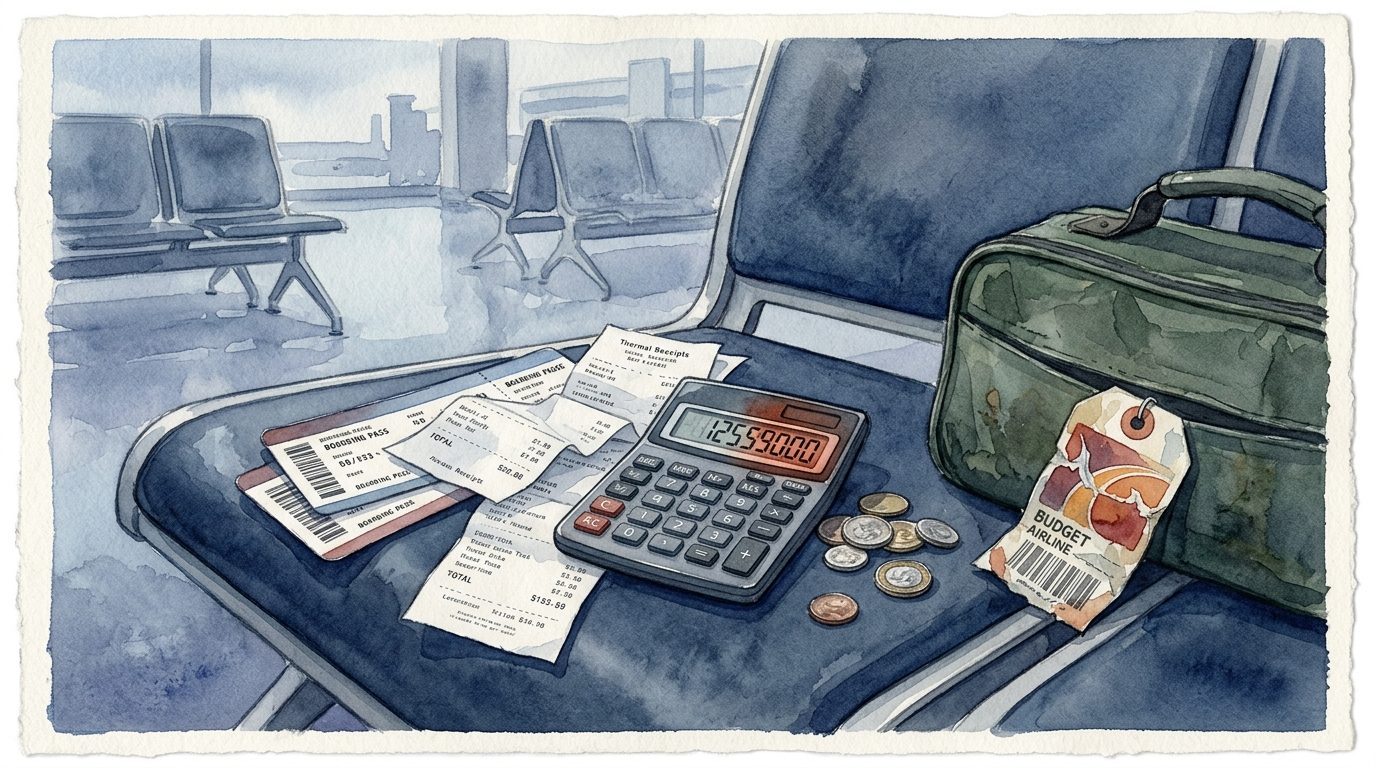
In 2024, airlines worldwide earned an estimated $148.4 billion from these extras—about 15% of total airline revenue, and growing fast. Some low-cost carriers now make more money from fees than from tickets. Frontier, for example, reportedly gets around 62% of its revenue from fees.
Here’s where your money actually goes on many budget airlines, and where budget airline hidden fees sneak into your trip:
- Baggage
Checked bags, carry-ons, even slightly oversized “personal items” can trigger hefty charges. Some airlines even pay staff bonuses to catch non-compliant bags at the gate. - Seat selection
Want to sit with your partner or your kids? That’s often extra. Between 2018–2023, major US airlines collected $12.4 billion in seat selection fees alone. - Boarding passes and check-in
Forget to check in online or print your boarding pass? Some carriers charge a penalty at the airport. - Onboard basics
Water, snacks, sometimes even basic customer service feel like add-ons.
On top of that, budget airlines often:
- Use secondary airports far from the city center.
- Have fewer backup planes and less flexible schedules, so disruptions hit harder.
- Use booking flows with dark patterns—pre-selected extras, confusing bag options, and “from” prices that almost no one actually pays.
Does that mean you should never fly budget? Not at all.
Budget airlines can be genuinely cheap if:
- You pack very light (true personal item only).
- You don’t care where you sit.
- You’re flexible about airports and timing.
- You read the fine print and play by their rules.
But if you value comfort, reliability, and predictability—especially if you’re older, traveling with kids, or on a tight schedule—then a slightly higher fare on a full-service airline often ends up cheaper and calmer once everything is included. That’s the part most people miss in the cheap flights vs direct flights cost comparison.
7. Nonstop vs Layover vs Ultra-Long-Haul: What’s Actually Worth Paying For?
There’s another layer to all this: how long you’re actually in the air.
Nonstop flights usually cost more than itineraries with layovers—often around that 20–25% premium. But they buy you:
- Shorter total travel time
- Fewer chances for delays and missed connections
- Less mental load (no sprinting through unfamiliar airports)
For many frequent travelers, that’s worth paying for, especially on routes where delays are common. When you factor in long layover hotel and food costs, the nonstop can easily become the better deal.
Then there are the ultra-long-haul nonstops—17–20 hours in one shot. Airlines like Singapore Airlines, Qantas, Air India, and others are pushing these routes hard.
Are they a good idea? It depends on you.
- Pros: No layover stress, no risk of missed connections, one boarding and one landing.
- Cons: Health risks (like blood clots), higher exposure to germs, and serious discomfort if you can’t sleep or move much.
If you have circulation issues, are prone to swelling, or just hate being confined that long, you might actually be better off with two shorter flights and a well-timed layover—even if the nonstop looks “more efficient” on paper.
Either way, the key is the same: don’t just look at the ticket price. Look at what the journey will actually feel like, and what it will quietly cost you in food, hotels, and lost energy.
8. How to Compare Flights the Smart Way (A Simple Checklist)
Let’s pull this together. Next time you search for flights, don’t just sort by price and click the top result. Run your top 2–3 options through this quick checklist and avoid the classic mistakes when booking cheap flights.
1. Airports
- Is this a main or secondary airport?
- How much will it cost and how long will it take to get to/from my accommodation?
2. Timing
- Will I need a taxi because public transport isn’t running?
- Will I need an extra hotel night near the airport?
- Will this timing kill a full day of my trip?
3. Layovers
- How long are they, and in which airports?
- What will I realistically spend on food and drinks during that time?
- Is there a way to turn this into a stopover that adds value?
4. Airline type
- Is this a budget or full-service airline?
- What are the baggage fees, seat fees, and other extras I’ll actually need?
- What’s their reputation for delays and cancellations?
5. Your own limits
- How much is your time worth to you?
- How much inconvenience are you willing to tolerate to save $50? $100? $300?
- Are you okay arriving tired, or do you want to hit the ground running?
Then ask yourself one final question:
If I add up the fare, the fees, the transfers, the food, and the fatigue, which option is truly cheapest for the trip I want to have?
Once you start thinking this way, you’ll notice something interesting: the cheapest-looking flight on the screen is often the most expensive in real life. And paying a bit more upfront can quietly save you money, time, and a lot of stress.
That’s how you stop “cheap” flights from costing you more—and start booking trips that are actually worth what you pay.