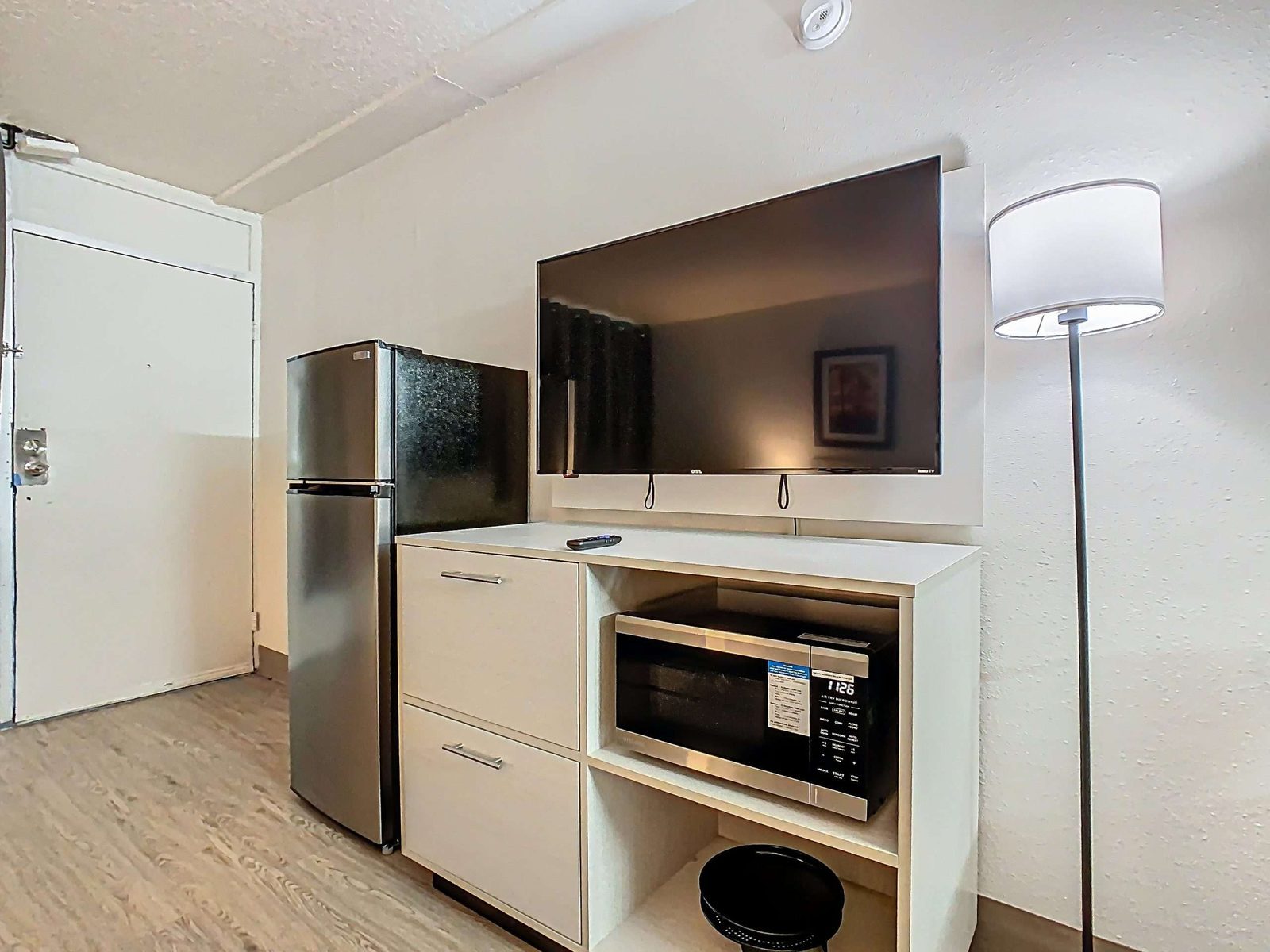
I love a good kitchen apartment or villa as much as anyone. Extra space, a fridge for snacks, maybe a balcony for coffee. On paper, it often looks like a no‑brainer: Why pay hotel prices when I can get a whole place for less?
But once I started tracking what I actually spent, something awkward showed up: my self‑catering stays were quietly blowing the budget more often than my hotel stays.
This guide breaks down the hidden costs of self catering accommodation – from Airbnb cleaning fees to transport and groceries – and shows you when a hotel, serviced apartment, or extended‑stay property is actually the cheaper, easier option.
1. The Headline Nightly Rate Trap
Most of us start the same way: filter by price, sort from low to high, and feel smug when we spot a cute apartment that undercuts the hotels. The problem? That headline nightly rate is almost never the real price.
With self‑catering stays (especially platforms like Airbnb), the real bill usually includes:
- Nightly rate (the part that looks cheap)
- Cleaning fee (often a flat fee per stay)
- Service fee / platform fee
- Local taxes and sometimes tourism levies
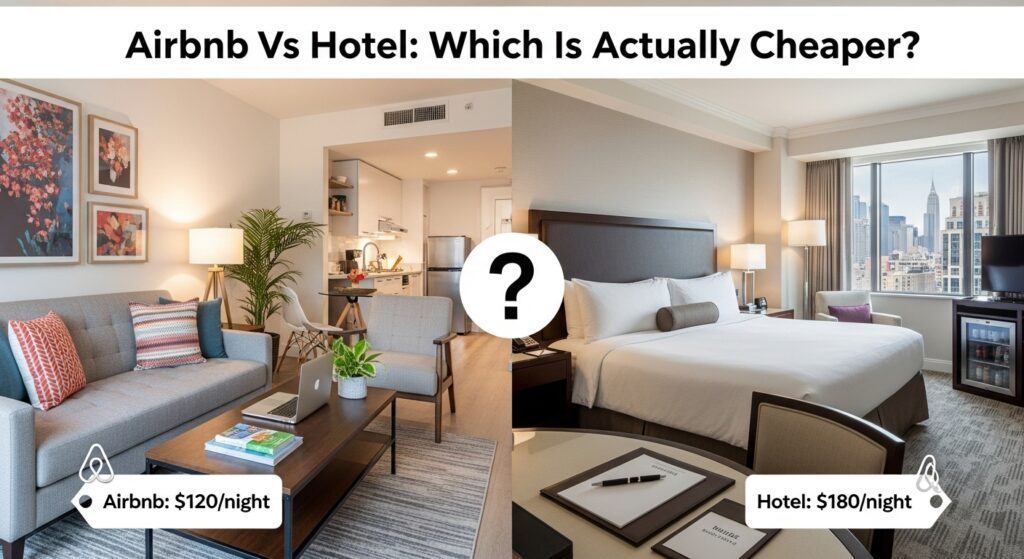
On a 1–2 night stay, that cleaning fee can be brutal. A $70 cleaning fee on a two‑night stay adds $35 per night before tax. Suddenly that $90/night
apartment is effectively $125+ per night – and the hotel you dismissed at $120 with breakfast included doesn’t look so silly anymore.
Plenty of self catering vs hotel cost comparison articles (for example, this breakdown of Airbnb vs hotel costs) show the same pattern: short stays usually favor hotels once you include all the Airbnb hidden fees and extra charges.
How I sanity‑check it now:
- Always click through to the final price screen before getting attached to a place.
- Divide the total cost (all fees + taxes) by the number of nights to get a real nightly rate.
- Compare that number to hotels, not the fake headline rate.
2. The Grocery Myth: Will a Kitchen Actually Save You Money?
The big promise of self‑catering is simple: I’ll cook, so I’ll save a fortune on food.
Sometimes that’s true. But not as often as we like to think.
Here’s what I’ve noticed (and what many travelers quietly admit):
- Short stays rarely justify a full grocery shop. You buy oil, spices, condiments, big packs of food… and throw half of it away when you leave.
- Travel mode is different from home mode. After a long day out, cooking and washing dishes can feel like work. You end up eating out anyway.
- Breakfast is where the real savings are. Simple things like yogurt, fruit, and coffee can easily beat hotel breakfast prices – but only if you actually use the kitchen.
Meanwhile, hotels quietly fight back with:
- Free breakfast (or discounted via loyalty programs)
- In‑room coffee/tea
- Occasional happy hours or snacks
So the question isn’t just Does this place have a kitchen?
It’s: Will I realistically cook enough to offset the higher accommodation cost and the time/effort? If not, the cost of staying in a kitchen apartment can easily end up higher than a simple hotel room with breakfast.
Rules of thumb I use now:
- 1–3 nights: I assume I’ll mostly eat out. A kitchen is a nice bonus, not a money saver.
- 4–7 nights: A kitchen starts to make sense if I plan to cook breakfast daily and a few simple dinners.
- 8+ nights or special diets: A kitchen can be a huge money saver and sanity saver, especially for families or anyone with dietary restrictions.
3. Utilities, Internet, and “Little” Extras That Add Up
With hotels and extended‑stay brands, the price is usually all‑inclusive: utilities, Wi‑Fi, heating/cooling, housekeeping, sometimes even laundry facilities are baked into the rate. That makes self catering stay budget planning much easier when you stick to hotels.
With apartments, villas, and some homestays, the story can be different:
- Electricity or gas surcharges (especially in hot or cold climates)
- Paid Wi‑Fi or data caps in some regions
- Extra charges for parking
- Paid laundry or no laundry at all, forcing you to use laundromats
Extended‑stay hotels and serviced apartments often win quietly here. As one comparison of extended‑stay hotels vs apartments points out, these properties usually offer weekly or monthly all‑inclusive pricing that covers utilities, internet, and housekeeping, which makes the real cost easier to predict.
What I check before booking a self‑catering place:
- Is Wi‑Fi included and unlimited?
- Any mention of utility caps or extra charges in the listing or reviews?
- Is there on‑site laundry, and is it free or paid?
- What’s the parking situation and cost?
If the listing is vague, I assume there could be extra costs and I add a buffer to my self catering vacation rental cost breakdown.
4. Cleaning, Chores, and the Value of Your Time
One of the most underrated hidden costs of self‑catering stays isn’t money. It’s time and energy.
In a hotel, you’re paying for:
- Daily or regular housekeeping
- Fresh towels and linens without thinking about it
- No dishes, no trash runs, no vacuuming
In an apartment or villa, you’re often doing all of that yourself. Or you’re paying extra for cleaning during your stay. Some hosts even charge additional fees for:
- Excessive mess
- Unwashed dishes
- Late check‑out
Those villa rental extra costs cleaning utilities can turn a “cheap” stay into a pricey one. And that’s before you count the mental load of trying not to trigger another fee.
Serviced apartments sit in the middle: you get a kitchen and more space, but also hotel‑style services like weekly housekeeping, reception, and sometimes concierge. For longer stays, that balance can be worth a lot.
Ask yourself honestly: Do I want to spend my limited travel time taking out trash, washing dishes, and stripping beds to avoid a bad review or extra fee?
If the answer is no, then the cheaper
self‑catering option might not be cheaper at all once you value your time.

5. Flexibility, Cancellations, and Change‑of‑Plan Penalties
Another hidden cost that doesn’t show up in the nightly rate: how expensive is it if your plans change?
Hotels (especially chains and extended‑stay brands) usually offer:
- More flexible cancellation policies
- Ability to shorten or extend your stay with minimal drama
- 24/7 front desk to help if something goes wrong
Self‑catering stays can be much stricter:
- Non‑refundable or partially refundable bookings
- Minimum stay requirements
- Penalties for early departure
Extended‑stay hotels and serviced apartments often shine here. As one cost comparison notes, they’re generally more flexible for changing plans than short‑term apartment leases, which can lock you in.
Why this matters for your budget:
- If you’re on a trip where dates might shift (work travel, family issues, flight changes), a strict cancellation policy can cost you hundreds.
- Sometimes paying a slightly higher nightly rate for a flexible hotel saves you money overall because you’re not eating non‑refundable nights.
Before booking a self‑catering stay, I always read the cancellation policy like a lawyer. If it feels risky for my situation, I walk away and factor that into my self catering stay budget planning.
6. Space vs. Location: The Transport Cost You Forget to Count
Self‑catering places often win on space: more square meters, separate bedrooms, a living room, maybe a balcony. It feels like a huge upgrade over a standard hotel room.
But there’s a catch: where that space is located.
Hotels tend to cluster near:
- Business districts
- Transport hubs
- Major attractions
Self‑catering stays (especially Airbnbs and homestays) are often in residential neighborhoods. That can be great for a local vibe, but it can also mean:
- Longer commutes to the places you actually want to visit
- More money on public transport or rideshares
- Late‑night returns through quiet areas you might not love walking through
Those daily Uber rides or metro tickets are part of your accommodation cost, whether you label them that way or not. They’re one of the big unexpected grocery and transport costs self catering travelers forget to include.
How I compare now:
- Drop the address into a map and check travel time to my main activities.
- Estimate daily transport costs (there and back, for everyone in the group).
- Add that to the accommodation price before deciding what’s
cheaper.
Sometimes the smaller, more expensive hotel in the center ends up cheaper overall than the big, beautiful apartment 40 minutes away.

7. When Self‑Catering Really Does Win (and When It Doesn’t)
After a lot of trial, error, and spreadsheets, here’s the pattern I keep seeing in the self catering vs hotel cost comparison.
Self‑catering (Airbnbs, villas, kitchen apartments) tends to be a win when:
- You’re staying 5–7 nights or longer in one place.
- You’re a family or group who would otherwise need 2+ hotel rooms.
- You’ll actually use the kitchen for regular breakfasts and some dinners.
- You value space and privacy more than daily housekeeping and on‑site services.
- You’ve checked all fees, utilities, and transport costs and they still come out ahead.
In those situations, the cost guide for Airbnbs and holiday villas often tilts in your favor – especially for families comparing Airbnb vs hotel for families cost.
Hotels and serviced apartments tend to be better value when:
- Your stay is 1–3 nights (cleaning fees kill short stays).
- You need flexible dates or might need to cancel.
- You’re on a business trip and time/mental energy matter more than cooking.
- You want predictable standards, security, and on‑site staff.
- You’re in a city where short‑term rentals are heavily taxed or regulated, pushing prices up.
Serviced apartments are often the sweet spot for longer stays: you get a kitchen and more space, but also cleaning, reception, and bundled utilities. They’re designed for exactly the kind of trip where a normal Airbnb can become a chore.
In other words, why self catering is not always cheaper comes down to all the small things: fees, chores, distance, and flexibility.

8. A Simple Checklist Before You Click “Book”
If you want to avoid the How did this get so expensive?
moment with self‑catering stays, run through this quick checklist. It’s how I avoid the classic self catering holiday budget mistakes and the usual self catering accommodation price traps.
- Calculate the real nightly rate.
Total price (including cleaning, service fees, taxes) ÷ number of nights. Compare that to hotels. This is where the Airbnb cleaning and service fee impact really shows. - Put a number on kitchen savings.
How many meals will you realistically cook? What will you actually save vs. eating out or using hotel breakfast? Be honest – this is the heart of how to budget for self catering holidays. - Check what’s included.
Utilities, Wi‑Fi, parking, laundry, housekeeping. Anything missing gets a mental price tag and goes into your self catering vacation rental cost breakdown. - Read the cancellation policy slowly.
How much do you lose if plans change? Is that risk worth the savings? - Map the location.
Add estimated daily transport costs to your accommodation budget. Don’t forget late‑night rideshares. - Factor in your time and energy.
Are you okay doing chores on this trip? Or is this aplease, someone else handle it
kind of vacation?
If a self‑catering stay still looks good after that, you’ve probably found a genuinely good deal – not just a pretty listing with sneaky costs hiding in the fine print.
The goal isn’t to avoid Airbnbs, villas, or kitchen apartments. I still book them. The goal is to book them with eyes open, so the place that feels like home doesn’t end up costing more than you ever planned to spend.