
I love a spontaneous trip. The flash sale, the random Tuesday when you decide, Let’s just go.
But every time I’ve bragged about a $99 flight
or a half-price hotel
, the final bill has quietly told a different story.
If you’ve ever come home from a cheap
getaway and wondered where your money went, this guide is for you. Let’s walk through the hidden costs of spontaneous trips that quietly erase your savings on last-minute flights and hotels – and how to dodge them without killing the fun.
1. The Last-Minute Flight Myth: Why Your Deal
Isn’t One
We’ve all heard it: Wait until the last minute, airlines slash prices to fill seats.
That used to be true. These days, not so much.
Modern airline pricing is ruthless. As departure gets closer, prices usually go up, not down. Airlines know last-minute travelers are often:
- Locked into specific dates
- Less flexible on airports and times
- Willing to pay more (work trips, emergencies, events)
So they price accordingly. As airfare analysts point out, the last seats on high-demand routes are often the most expensive, not the cheapest. That’s where a lot of last minute travel fees quietly pile up.
There are exceptions: low-demand routes, awkward times, unsold package-tour blocks, or rare error fares. But those are edge cases, not a strategy. If you’re planning a spontaneous weekend trip and banking on a miracle fare, you’re gambling with your budget.
How I handle it now:
- I set price alerts (Google Flights, Hopper, Kayak) on routes I might want before I feel spontaneous.
- I stay flexible on destination: instead of
Paris this weekend
, I searchEverywhere
and go where the price is sane. - I compare multiple sites and airlines, including secondary airports and mixed carriers.
The real win isn’t a unicorn last-minute fare. It’s avoiding the trap of paying premium prices for a trip you convinced yourself was a bargain.
2. Drip Pricing: The Flight That Quietly Doubles in Cost
You know that moment: you click a $150 fare, and by the time you reach the payment page, it’s somehow $260. That’s drip pricing – the slow reveal of taxes, surcharges, and optional
extras that don’t feel optional at all.
This is where the hidden costs of spontaneous trips really show up. When you’re booking in a rush, you’re an easy target.
Here’s where spontaneous travelers get burned:
- Taxes & carrier surcharges that weren’t included in the first price you saw.
- Seat selection fees that suddenly matter when you realize you’ll be separated from your partner or kids.
- Baggage fees that hit harder when you pack in a rush and don’t optimize your luggage.
- Auto-added travel insurance quietly pre-checked in the booking flow.
- Phone booking or service fees if you panic and call instead of booking online.
On a last-minute trip, you’re more likely to think, Whatever, just add it
because you’re short on time and options. That’s exactly what airlines count on. Those surprise baggage and seat fees are the kind of fees that erase travel savings fast.
How to protect yourself:
- Before you even search, check the airline’s baggage and seat fees page. Build those into your mental
real price.
- Travel with a personal item only when possible, or share one checked bag instead of two.
- Decide in advance: do you actually need seat selection, or can you risk auto-assignment?
- Watch for pre-checked insurance boxes and uncheck them if you don’t want that coverage.
When I see a cheap
fare now, I assume it’s lying until I’ve walked it all the way to the payment page and seen the full, all-in cost.
3. Hotel Sticker Shock: Resort Fees, Parking, and Extras
Hotels have their own version of drip pricing, and it’s brutal on spontaneous trips. You grab a last-minute room at a steal
, only to discover at check-in that the real price is 30–80% higher.
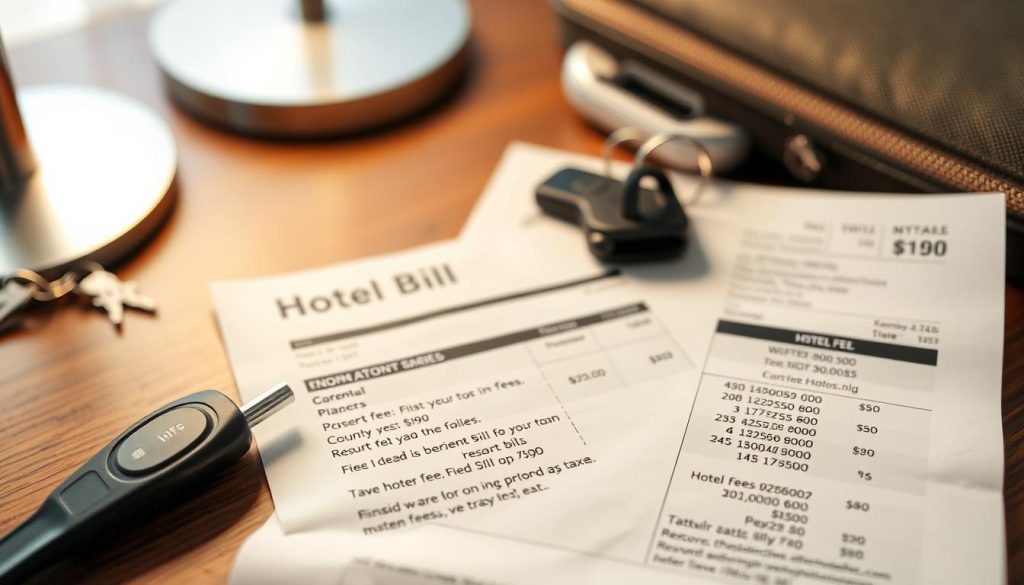
Common gotchas:
- Resort fees / destination fees that cover Wi‑Fi, pool, gym, or
amenities
you may not even use. - Parking fees, especially in big cities, easily $25–$35+ per night.
- Extra guest fees if more than two people are in the room.
- Mandatory service charges on top of restaurant or spa bills.
Last-minute hotel apps (HotelTonight, Priceline Express Deals, Hotwire, etc.) can absolutely save you money on the base rate. But they often hide the property name until after booking, which means you might not see the resort fee or parking situation until it’s too late. That’s how last minute hotel booking fees turn a bargain into a budget hit.
What I do before I tap Book
:
- Google the hotel name (if visible) +
resort fee
orparking
to see real numbers. - Check the hotel’s own site for fee details – sometimes clearer than the app.
- Compare a
mystery deal
with a known, slightly more expensive hotel that has no resort fee. Theexpensive
one can be cheaper overall. - If I’m driving, I treat parking as part of the nightly rate, not an afterthought.
That $89 room that becomes $149 after fees is not a deal. It’s a lesson.
4. Transfers, Ground Transport, and the Cheap Airport
Trap
One of the easiest ways to kill your savings is with the part of the trip nobody glamorizes: getting from A to B on the ground.
Here’s how spontaneous trips quietly bleed cash:
- You pick a cheaper secondary airport… then spend $60–$100 on taxis or rideshares to actually reach the city.
- You land late at night when public transport is limited, so you’re forced into premium-priced rides.
- You book a
cheap
hotel far from the center, then pay for daily transport back and forth. - You rent a car last minute and get hit with airport surcharges, toll transponder fees, and overpriced insurance.
On paper, the flight and hotel look great. In reality, you’re paying a daily distance tax
in time and money. A lot of the short notice travel cost breakdown lives right here: transfers, tolls, and tiny line items.
How I sanity-check a deal
now:
- I look up the airport–city transfer cost before booking. If it’s more than I’m saving on the flight, I skip it.
- I map the hotel to see how far it is from where I’ll actually spend time. A slightly pricier central hotel can be cheaper overall.
- For rental cars, I check my credit card and personal auto insurance coverage so I don’t buy duplicate insurance at the counter.
- I factor in tolls, parking, and fuel – not just the daily rental rate.
Spontaneity is fun. Paying $40 each way for an airport taxi because I didn’t check the train schedule is not.
5. Time, Stress, and Decision Fatigue: The Invisible Costs
Not every cost shows up on your credit card. Some show up in your mood.

Last-minute trips often come with:
- Decision fatigue from trying to cram all the research into a single evening.
- Stress over limited options, weird flight times, or sketchy-looking hotels.
- Guilt about overspending because you didn’t have time to compare properly.
That mental load has a price. You might end up paying more just to make the stress stop: the nicer room, the faster route, the airport lounge, the overpriced airport meal.
Travel advisors and planners talk about this a lot: when you plan earlier, you don’t just get better prices; you get better headspace. Even if you love spontaneity, you can still reduce the chaos and avoid the classic spontaneous trip budget mistakes.
What helps me:
- I keep a simple
spontaneous trip checklist
on my phone: passport, visas, insurance, eSIM, must-book items. - I block potential travel windows on my calendar in advance, even if I don’t know where I’m going yet.
- I pre-save a few
backup
hotels and routes in cities I often visit, so I’m not starting from zero.
Spontaneous doesn’t have to mean chaotic. A little structure actually makes the impulsive part more fun.
6. Points, Perks, and Flexibility: The Smart Way to Be Spontaneous
Here’s the good news: spontaneous travel doesn’t have to be expensive. It just has to be intentional.

When I want the freedom to say Let’s go this weekend
without wrecking my budget, I lean on three things:
1. Points and miles as a shock absorber
- Flexible points (like those from major bank cards) can be transferred to multiple airlines and hotels, giving you options when cash prices spike.
- Sometimes a last-minute award ticket is cheaper in points than cash – even after taxes and surcharges.
2. Flexible destinations and dates
- Instead of forcing one city, I search for
anywhere
from my home airport on my chosen dates. - I’m open to flying a day earlier or later if it cuts the price dramatically.
3. Building a ready-to-go
setup
- Keep a half-packed bag with basics: toiletries, chargers, travel-sized essentials.
- Have digital copies of your passport, insurance, and key documents stored securely.
- Know your baseline coverage (health, travel, rental car) so you don’t panic-buy extras.
Spontaneity works best when the boring stuff is already handled. That’s how you keep the thrill and lose the financial hangover – and how you actually avoid hidden travel fees instead of just reacting to them.
7. Quick Checklist: Is This Spontaneous Trip Actually a Deal?
Before you hit Book
, run through this fast filter:
- Flight: Have you seen the final price with taxes, bags, and seats included?
- Hotel: Do you know the resort fee, parking cost, and extra guest charges?
- Transfers: How much will it cost to get from the airport to your hotel and back?
- Timing: Are weird flight times going to force you into extra hotel nights or expensive late-night transport?
- Stress: Are you saying yes because it’s truly a good deal, or because the countdown timer is making you panic?
If the trip still looks good after that, go. Enjoy it. You’ve earned the fun and the savings.
Spontaneous travel can absolutely be worth it. But the real flex isn’t bragging about a $49 fare. It’s coming home knowing the price you paid is the price you actually expected – and that the planned vs spontaneous trip cost comparison still comes out in your favor.