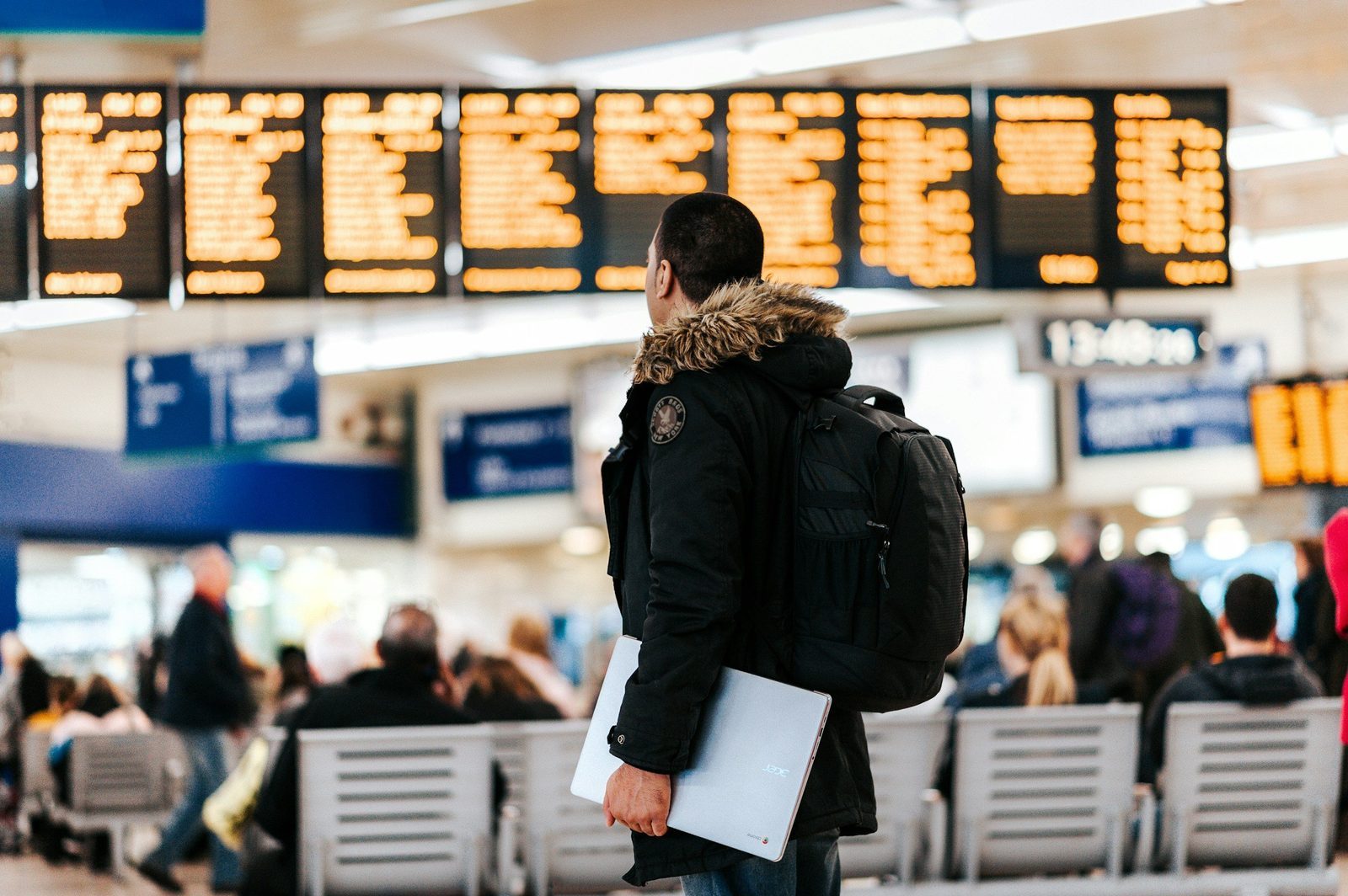
I love a last‑minute escape as much as anyone. That rush of booking a ticket on a Tuesday and flying out on a Thursday? Hard to beat. But almost every time I do it, the same thing happens: the trip costs more than I expected, and not just because I bought a slightly pricey flight.
If you’ve ever come home from a spontaneous weekend and thought, Where did all my money go?
, this is for you. Let’s walk through the hidden costs of spontaneous travel that quietly blow up last‑minute budgets – and how to keep the freedom without the financial hangover.
1. The Myth of Cheap Last‑Minute Flights
We’ve all heard it: Wait until the last minute, airlines slash prices to fill seats.
That used to be more true. These days, dynamic pricing has changed the game.
Airlines sell seats in fare buckets. Once the cheaper buckets are gone, only higher fares remain. On popular routes and peak dates, those low buckets disappear weeks or even months ahead. By the time you feel spontaneous, the algorithm has already decided you’re going to pay more.
Some recent data complicates the story. One study of over 21,000 flights found that on certain busy U.S. routes, last‑minute tickets were actually about 8.3% cheaper than advance bookings, and only around 3.1% more expensive overall. Sounds like a win, right? The catch: those cheaper last‑minute fares often show up on budget carriers that make their money on add‑ons – bags, seats, priority boarding, even printing your boarding pass.
So the real question isn’t just, Is the ticket cheap?
It’s, What will this flight actually cost me by the time I land?
That’s where the hidden costs of spontaneous travel start to show up.
How I handle it now:
- I check at least two tools (like Kiwi and Google Flights) and watch prices for a day or two instead of panic‑booking the first fare I see.
- I compare a budget airline’s all‑in cost (fare + bags + seat + extras I’ll realistically use) with a full‑service carrier’s base fare.
- If I’m flexible, I nudge my departure by a day or two. Midweek flights are still where many of the real last‑minute deals hide.
The takeaway: spontaneous doesn’t have to mean reckless. A 20‑minute reality check on the cost of booking flights at the last minute can save more than any mythical miracle fare.
2. Local Transport: The Silent Budget Killer
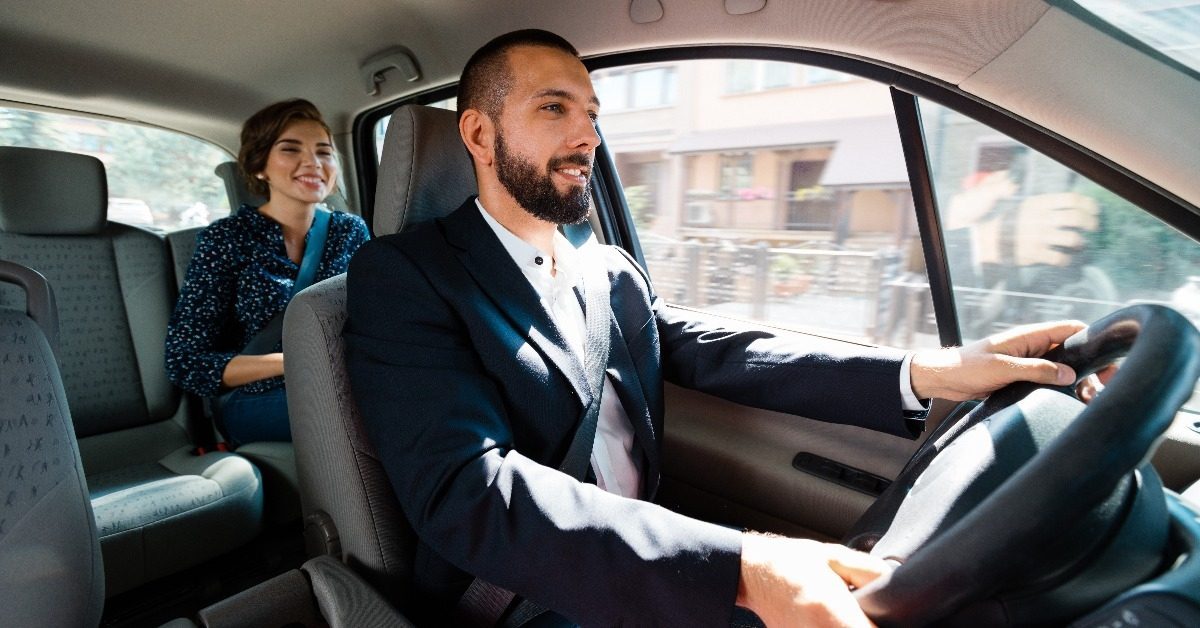
When we plan a trip in advance, we obsess over the big numbers: flights and hotels. On spontaneous trips, we often skip the boring details like how we’ll actually move around. That’s where the budget quietly leaks.
Picture this: you land late, you’re tired, you don’t know the bus system, and suddenly that $40 taxi from the airport feels like self‑care. Then it happens again the next day. And again. By the end of a spontaneous weekend getaway, you’ve spent more on rideshares than on your flight.
Research on vacation spending shows that local transportation, snacks, and small fees can rival your major expenses if you ignore them. On last‑minute trips, we’re especially vulnerable because we haven’t pre‑planned routes, passes, or alternatives to taxis.
What I budget for now:
- Airport transfers: I check the price of the airport train, bus, or shuttle versus taxis before I book. Sometimes a city pass that includes airport transport pays for itself on day one.
- Daily transit: I assume at least 2–4 rides per day and price out a day pass or multi‑day card. If I still choose taxis, I know I’m choosing a splurge, not stumbling into one.
- Car rentals: Last‑minute often means only SUVs are left. They’re not just pricier; they’re heavier on fuel and emissions. I ask: do I really need a car, or can I design the trip around trains and buses instead?
Before I book, I ask myself: If I couldn’t use taxis or rideshares, would this trip still feel doable?
If the answer is no, I either change the destination or accept that I’m signing up for higher transport gaps and taxi costs on trips.
3. Accommodation Gaps, Cleaning Fees, and Parking Traps
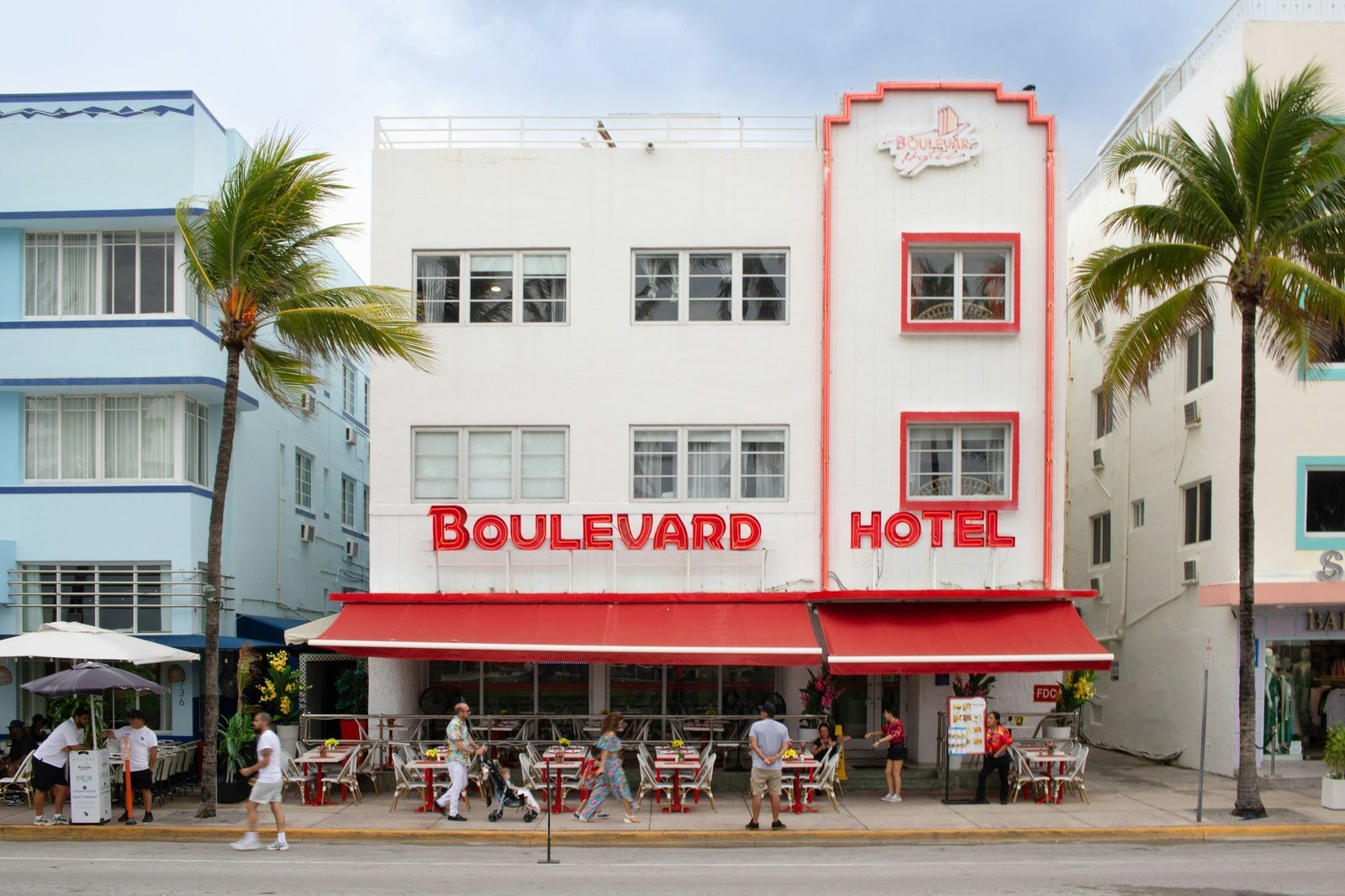
Spontaneous trips rarely land you in the perfect, fairly priced hotel in the perfect neighborhood. You’re often choosing from what’s left. That’s where the hidden costs of spontaneous travel creep in.
Hotels, on average, generate around 31 kg of CO₂ per room night, and they’re a big chunk of tourism emissions. But from a budget perspective, the real surprises are:
- Resort fees and city taxes that aren’t obvious in the headline price.
- Parking charges that can add $20–$50 per night if you’re driving.
- Airbnb cleaning and service fees that make a cheap nightly rate suddenly more expensive than a mid‑range hotel.
On last‑minute bookings, we’re more likely to grab whatever looks available and good enough
without digging into the fine print. That’s how a $120 room becomes a $170 bill at checkout, thanks to unplanned travel surcharges and fees.
How I avoid the worst surprises:
- I always click through to the final price screen before I commit, including taxes and fees. If the platform hides fees, I assume there’s a reason.
- If I’m driving, I add parking to my nightly cost. If parking is $40 and the hotel is $150, I treat it as a $190 room. That changes which place looks like a deal.
- For vacation rentals, I compare the total stay cost (including cleaning and service fees) to a hotel in the same area. The winner isn’t always the one with the lower nightly rate.
One more layer: eco‑certified accommodations can cut emissions significantly, sometimes by half. On a spontaneous trip, I don’t always have time to research deeply, but I do ask: Is there a greener option at roughly the same price?
Often there is, especially if I’m willing to stay slightly outside the most touristy area.
And if you’re checking in late, keep an eye out for extra charges for late hotel check in. They’re rare, but they exist – and they’re the kind of surprise that can turn a cheap room into a pricey mistake.
4. Food, Snacks, and the Convenience Premium
Spontaneous travel has a way of turning us into convenience shoppers. You land hungry, you don’t know the neighborhood, and suddenly you’re paying airport prices for everything: water, snacks, breakfast, late‑night food.
Tourist‑heavy areas almost always charge more. Walk 5–10 minutes away and prices drop. But when you haven’t done any planning, you’re more likely to eat wherever you first see a menu.
Where the money actually goes:
- Airport and station food: A couple of meals and drinks can rival a budget airline ticket.
- Hotel breakfasts: Convenient, yes. But often $15–$30 per person for something you could get at a local café for half the price.
- Impulse snacks: Bottled water, coffee, and
just one more
pastry add up fast when you’re wandering without a plan.
My low‑effort fixes:
- I pack a small
spontaneity kit
: reusable bottle, a couple of snacks, and sometimes instant coffee or tea. It sounds trivial; it isn’t. - On arrival, I find the nearest supermarket or convenience store. I buy water, fruit, and a few basics. That one stop can cut my daily food spend dramatically.
- I follow a simple rule: no eating on the main tourist street. I walk one or two blocks away and look for where locals actually sit.
Spontaneity doesn’t mean saying yes to every overpriced latte. It means choosing where you want to splurge instead of letting hunger decide for you.

5. Baggage, Banking Fees, and the Cost of Being Unprepared
Last‑minute trips often start with a frantic pack. That’s when we overpack, forget essentials, and pay for it later in baggage fees and overpriced replacements. These are the last minute trip fees that don’t show up on the booking screen but hit hard on the road.
Airlines have turned luggage into a profit center. Budget carriers in particular keep base fares low and charge aggressively for bags. If you book in a rush, you might not notice that your cheap
ticket doesn’t include a carry‑on, or that checking a bag at the airport costs double what it would have online.
Then there’s money. Without planning, we default to whatever ATM or currency exchange is closest. Out‑of‑network ATM fees, foreign transaction charges, and bad exchange rates quietly eat into your budget. You don’t feel it in the moment, but your statement later tells a different story.
What I do differently now:
- Pack lighter than feels comfortable. If I’m on the fence about a second bag, I don’t bring it. I’d rather do laundry once than pay baggage fees twice.
- Check the airline’s baggage rules before I book, especially on budget carriers. I treat baggage fees as part of the ticket price, not an afterthought.
- Use the right card. I keep at least one card with no foreign transaction fees. If I don’t have one, I factor those fees into my budget.
- Withdraw fewer, larger amounts from ATMs to reduce per‑withdrawal fees, and avoid airport currency exchange counters unless I have no choice.
Spontaneous doesn’t have to mean sloppy. A 10‑minute check of baggage rules, last minute travel essentials cost, and banking fees before you hit book
can save more than any loyalty program.
6. Carbon, SUVs, and the Environmental Price of Last‑Minute Choices
There’s another cost we rarely factor into spontaneous trips: the environmental one. When we decide late, we often default to the most convenient, not the most sustainable, options.
Tourism is responsible for about 8% of global greenhouse gas emissions. Air travel alone accounts for roughly 2.5% of global CO₂, and short‑haul flights can emit nearly four times more CO₂ per passenger‑km than rail. Add in SUVs as rental cars – which the International Energy Agency has flagged as a major driver of emissions growth – and the footprint of a spontaneous weekend can be surprisingly heavy.
On top of that, hotels generate around 20% of tourism‑related emissions. Eco‑certified accommodations can cut this significantly, but they’re not always the default when you’re booking in a rush.
How I balance spontaneity with responsibility:
- If there’s a reasonable train or bus option, I seriously consider it before defaulting to a short flight.
- I avoid renting SUVs unless there’s a genuine need (terrain, group size). A smaller car is usually cheaper and cleaner.
- When I can, I choose fewer, slightly longer trips instead of many short ones. It spreads the impact – and the fixed costs – over more days.
- If I can’t avoid flying, I look for reputable offset programs and, more importantly, ways to support local communities on the ground.
This isn’t about guilt. It’s about awareness. When we see the full cost of our spontaneity – financial and environmental – we can make choices that feel good in the moment and still sit right later.
7. How to Stay Spontaneous Without Blowing Your Budget
So where does this leave us? Should we stop booking last‑minute trips altogether? I don’t think so. Spontaneous travel can reduce planning stress, push us out of our routines, and open the door to experiences we’d never script.
The goal isn’t to kill spontaneity. It’s to budget for it honestly and avoid the classic spontaneous trip budget mistakes.
My personal checklist before I say yes to a spontaneous trip:
- Transport: Do I know the all‑in cost of getting there and moving around (including bags, transfers, and likely taxis)? Am I clear on the extra costs of last minute flights and hotels for this route?
- Accommodation: Have I checked the final price with all fees, and compared at least two options?
- Daily spend: Have I set a realistic daily budget for food, local transport, and small extras – and am I okay if I go 20% over?
- Fees: Do I understand my card’s foreign transaction fees, ATM charges, and any loyalty program gotchas?
- Impact: Is there a lower‑carbon way to do this trip without ruining the spontaneity?
If I can answer those questions in 30 minutes, I book with a clear head. If I can’t, I pause. Sometimes the most powerful spontaneous decision is to wait for a better opportunity – one that fits both your budget and your values.
Next time you feel that itch to escape, ask yourself: Am I chasing freedom, or just reacting?
The more honest you are about the unexpected travel expenses same day booking, the more your last‑minute trips will feel like what they’re supposed to be: a gift, not a financial surprise waiting for you back home.