
I don’t take sides in the whole airline vs third-party
argument. I use both. On purpose. The real question isn’t which is better, but when to book direct and when a third-party site is worth the trade-offs for a cheaper or more flexible itinerary.
Think of this as a hybrid flight booking strategy: airlines for control and protection, third-party sites for discovery and savings. Used together, they can get you better fares and fewer headaches than sticking to just one option.
1. Start Every Search in Research Mode, Not Booking Mode
Most people make their first mistake in the first five minutes. They see a low price on a comparison site and immediately hit Book.
I don’t. When I’m figuring out the cheapest way to book airfare online, I treat Google Flights and OTAs as radar, not necessarily the place I’ll actually buy.
Here’s how I start almost every search:
- Use Google Flights or a big OTA (Expedia, Orbitz, etc.) to scan dates, airlines, and routes.
- Turn on price tracking or fare alerts for your dates and airports.
- Note which airlines consistently show the best times and prices.
Why this matters: tools like Google Flights often surface ultra-cheap fares from obscure OTAs that consumer advocates call UFO sites
—they appear out of nowhere, and they vanish when you need help. As Clark Howard points out, these middlemen can turn disruptions into a nightmare because the airline keeps sending you back to the agency.
So in this first phase, I’m only asking one question: What’s the realistic price range and which airlines are in play? I’m not deciding whether to book flights directly with the airline or an OTA yet. I’m just mapping the territory.

2. Decide: Is This a High-Risk
Trip or a Low-Risk
Trip?
Before I choose where to book, I classify the trip. Not every flight needs the same level of protection. Some are casual. Some are absolutely critical.
High-risk trips (book direct unless the savings are huge):
- International or long-haul flights
- Trips with tight connections or multiple legs
- Travel for weddings, cruises, important meetings, or events you can’t miss
- Trips during winter storms, busy holidays, or on routes with frequent delays
For these, I want the airline to own my reservation. If something goes wrong, I want to walk up to a counter or open the airline app and get rebooked—no middleman, no finger-pointing. Multiple sources, including Travel + Leisure and Going, agree: when flights are delayed, canceled, or changed, booking direct usually means better support.
Low-risk trips (third-party can be worth it):
- Simple roundtrips or nonstop flights
- Short domestic hops
- Trips where arriving a few hours late won’t ruin anything
- Getaways where you’re flexible on timing and even dates
On these, I’m more willing to trade some customer-service protection for a lower fare, a better schedule, or a useful bundle (flight + hotel, for example). This is where a hybrid flight booking strategy really starts to pay off.
Ask yourself: If this flight gets canceled, how painful is it? Your answer should heavily influence whether you lean toward the airline or a third-party site.
3. Compare the Exact Same Flight: Airline vs Third-Party
Once I’ve found a good option on a search tool, I do something most people skip: I look up that exact flight on the airline’s own site. This is where the real airfare comparison: airline site vs aggregator happens.
The price gap can go either way:
- OTAs sometimes undercut airlines by 10–20% or more thanks to bulk deals, partnerships, and bundles, as noted in SlashGear’s analysis.
- Sometimes the airline is cheaper, or the same price but with better perks (like free seat selection, bags, or easier changes).
My personal rule of thumb:
- If the price difference is small (under ~5–10%) and it’s a high-risk trip, I book direct with the airline.
- If the OTA is significantly cheaper (15–25%+) and the trip is low-risk, I seriously consider the third-party.
But I don’t just look at the number. I look at what’s included:
- Does the airline fare include a carry-on or checked bag while the OTA fare is a bare-bones basic economy?
- Does the airline offer free 24-hour cancellation (U.S. carriers must, if you book direct), while the OTA treats it as final sale?
- Are seat selection and changes easier or cheaper when booked direct?
Often, the cheaper
OTA ticket becomes more expensive once you add bags, seat fees, and change penalties. That’s why a smart airline vs third party flight booking approach is not always book the cheapest site
—it’s always compare the full picture.
4. Use OTAs for What Airlines Are Bad At
Airline websites are built to sell you their flights. OTAs and comparison sites are built to show you everyone’s. That difference is powerful if you use it well.
Here’s where third-party sites shine, and where I lean into them when I combine airline websites and comparison sites:
- Complex itineraries and mixed carriers. OTAs can combine airlines in ways the carriers won’t show you—outbound on one airline, return on another, or even mixing a major carrier with a low-cost airline on the same trip. This can cut both cost and travel time, as highlighted by The Flight Expert and Going.
- Bundles. Need flight + hotel + car? OTAs often discount when you package them. If you’d book all three anyway, this can be real savings, not just clever marketing.
- Advanced filters and flexible dates. Many OTAs and meta-search tools have better filters than airline sites: layover length, specific airports, alliances, flexible date calendars, and fare alerts.
- Double-dipping rewards. Some OTAs have their own loyalty programs, and you can still earn airline miles on top if you add your frequent flyer number, as noted by multiple sources including The Flight Expert and Travel + Leisure.
My hybrid move here: I often design the trip on an OTA—play with dates, carriers, and bundles—then decide whether to:
- Rebuild the same itinerary directly with the airlines (for protection), or
- Book the OTA version if the savings or bundle value is clearly better and the trip is low-risk.
This is also where booking one-way flights on different platforms can make sense: maybe the outbound is cheaper direct with the airline, while the return is a great deal through an OTA.
5. Use Airlines for What OTAs Are Bad At
Now the flip side. There are situations where I almost never trust a third-party booking, no matter how tempting the fare looks.
Situations where I strongly prefer booking direct:
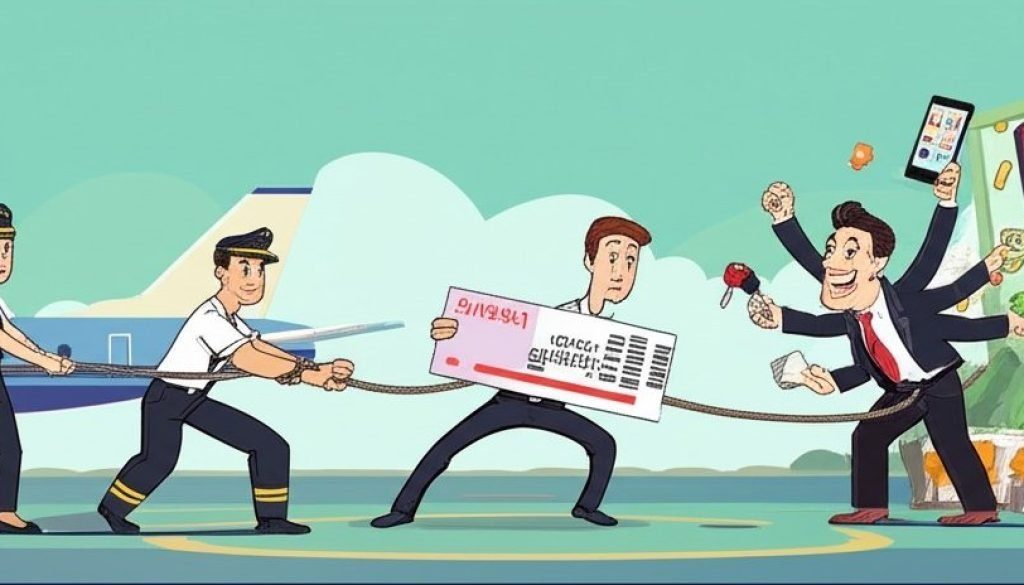
- When I need reliable customer service. If a flight is delayed, canceled, or misconnected, airlines often tell OTA customers to
contact your agency.
That’s the last thing you want to hear in a long line at midnight. Booking direct means the airline owns the problem. - When I care about loyalty and upgrades. Direct bookings are usually more reliable for earning miles, elite status credits, and upgrade-eligible fares. Some airlines restrict benefits on certain third-party tickets.
- When I have special requests. Wheelchair assistance, special meals, traveling with kids, pets, or sports equipment—these are handled more cleanly when you book and manage everything in the airline’s own system.
- When I want clear change/cancellation rules. OTAs can layer their own fees and restrictions on top of the airline’s. Direct booking keeps the rules simpler and easier to understand.
- When I need the 24-hour safety net. In the U.S., airlines must offer a 24-hour free cancellation or hold (with some conditions) if you book direct. OTAs are not required to, and many don’t.
In other words, if I expect any complexity—tight connections, winter weather, important events, special needs—I default to the airline, even if it costs a bit more. That’s the safer side of the online travel agency vs airline customer service trade-off.
6. Weigh the Real Value of Cheap
: Fees, Flexibility, and Time
Not all cheap tickets are actually cheap. A smart hybrid booking approach forces you to ask: What am I giving up for this lower price?
When I see a big price gap between an airline and an OTA, I run through this checklist:
- Change and cancellation rules. Is the OTA fare nonrefundable, non-changeable, or subject to extra agency fees? Some agencies charge their own change fees on top of the airline’s.
- Ticket issuance delays. Some OTAs don’t issue tickets instantly; they confirm later with the airline. That can mean your
booking
isn’t actually ticketed yet, which is risky if prices or availability change. - Customer service quality. Is this a major, reputable OTA with 24/7 support, or a no-name site with no phone number and slow email replies?
- Hidden costs. Are seat selection, bags, or basic support extra? Does the OTA charge to talk to a human?
- Your time and stress. How much is it worth to avoid being bounced between airline and agency when something goes wrong?
Sometimes, after adding up the risk and potential fees, I decide that paying $40–$60 more to book direct is actually the cheaper option in real life. Many common flight booking mistakes with third-party sites come from ignoring these details.
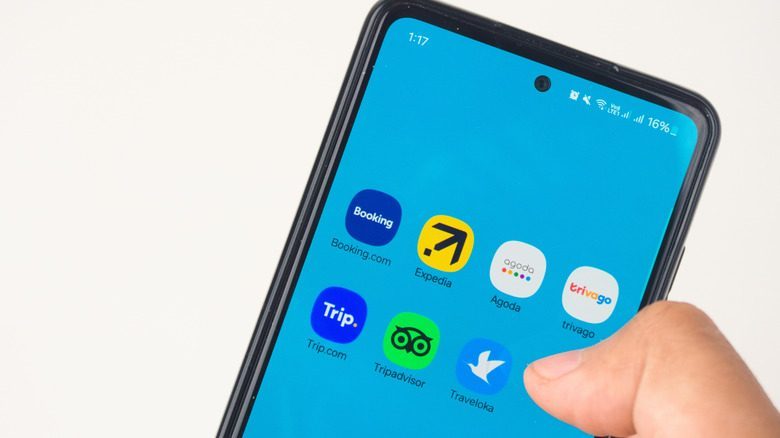
7. Layer in Points, Portals, and Rewards Without Getting Trapped
Credit card travel portals and OTA loyalty programs can be powerful—but they’re still third parties. I treat them with the same caution I use for any OTA.
When I’ll use a credit card portal (Chase, Amex, Citi, etc.):
- When I’m paying entirely with points and the value is clearly better than transferring points to an airline.
- When the trip is low-risk and I’m okay with portal-based customer service if something breaks.
When I avoid portals:
- For complex or high-stakes trips where I want the airline to handle changes directly.
- When the portal’s change/cancellation rules are worse than booking direct.
On the OTA side, I do like the double-dip potential: earn OTA points plus airline miles on the same trip. And sometimes I’ll even be mixing airline miles with OTA flight deals—using miles for one leg and a cheap OTA cash fare for the other.
But I don’t let a few extra points override bad policies or poor support. Ask yourself: Would I still book this way if there were no points involved? If the answer is no, the rewards are probably bait, not value.

8. A Simple Hybrid Playbook You Can Reuse
Let’s turn all of this into a repeatable system you can run in 5–10 minutes. This is how I plan flights with a hybrid booking approach without overthinking every click.
Step 1: Research broadly.
- Use Google Flights or a major OTA to scan dates, routes, and airlines.
- Turn on price alerts if your dates are flexible.
Step 2: Classify the trip.
- High-risk (important, complex, long-haul) → lean strongly toward booking direct.
- Low-risk (simple, flexible, short) → open to third-party if the deal is good.
Step 3: Compare exact flights.
- Take the best option you found and look it up on the airline’s site.
- Compare total cost, including bags, seats, and change rules.
Step 4: Check the fine print.
- On OTAs/portals, read change/cancellation policies and any agency fees.
- Confirm whether you get 24-hour free cancellation (usually only direct with airlines in the U.S.).
Step 5: Decide based on risk vs savings.
- If savings are small and risk is high → book direct with the airline.
- If savings are big, trip is low-risk, and OTA is reputable → consider booking via the third party.
Step 6: Add loyalty details and keep control.
- Always add your frequent flyer number, even on OTA bookings.
- After booking, pull up your reservation on the airline’s site/app and make sure everything looks correct.
If you like using Google Flights, one easy pattern is this: use Google Flights, then book direct when the price is close, or use a trusted OTA when the savings are clearly worth it. That way you get the best of both worlds without taking on unnecessary risk.
The goal isn’t to be team airline
or team OTA.
It’s to be the traveler who knows when to use each one—deliberately—to get better fares, better routes, and fewer nasty surprises.