I don’t actually want luxury when I fly long-haul. I want “comfortable enough” — a seat I can sleep in, space for my knees, and to land without feeling like I’ve been folded into a suitcase.
The problem? Airlines have turned that middle ground into a maze of extras
, Plus
, Comfort
, and Premium
options. Some are smart, cheap comfort upgrades. Others are just expensive ways to move your misery from row 42 to row 28.
Let’s walk through the main choices and see what “comfortable enough” really costs compared with staying in regular economy — especially on long-haul flights where every inch and every hour of sleep counts.
1. Do You Actually Need More Comfort, Or Just Want It?
Before spending anything, ask yourself a blunt question: Is economy going to be painful, or just mildly annoying?
Upgrades are usually worth it when the answer is painful
. That often means:
- Flight length: 7–8+ hours, especially overnight. Under 3 hours, upgrades almost never make sense. Between 3–7 hours, it depends.
- Your body: You’re tall, broad-shouldered, have back or joint issues, or you simply can’t sleep sitting bolt upright.
- Your seat: You’re stuck in a middle seat, near the lavatory, or in a non-reclining row.
- Next day stakes: You land and go straight into work, a meeting, or a tight schedule.
If it’s a daytime flight, you’re shorter, fairly flexible, and you’ve already grabbed a decent aisle or window, then paying hundreds more may just buy you a slightly nicer version of fine
.
My rule of thumb: only start upgrade shopping when the flight is long enough or your body is unforgiving enough that economy will cost you real energy, sleep, or pain. That’s when the cost of making economy more comfortable starts to make sense.
2. Cheapest Fix First: Extra-Legroom Economy vs Staying Put
Before jumping to premium economy, I always ask: Can I make economy tolerable with a small, targeted spend? On many long-haul routes, extra-legroom seats are the best value comfort upgrade.
On major U.S. airlines, these seats have different names but do roughly the same thing: more space and a few perks without paying premium economy prices.
- JetBlue Even More Space: up to ~38" legroom, priority boarding, sometimes fast-track security. Typical cost: about $15–$200 each way depending on route.
- Delta Comfort+: ~34–35" pitch (about 3" more), earlier boarding, free alcoholic drinks on most flights, better snacks on longer routes. Roughly $20–$150.
- United Economy Plus: up to ~6" extra legroom. About $20–$200; basic economy usually can’t buy this.
- American Main Cabin Extra: up to ~39" in some exit rows, earlier boarding, one free alcoholic drink on many flights. Around $20–$200.
These seats won’t turn economy into business class, but they dramatically change how cramped you feel for a fraction of a premium economy fare. For many travelers, this is the sweet spot in the economy vs premium economy price debate.
Here’s how I decide if an extra-legroom seat is worth the upgrade cost on a long-haul flight:
- Cost-per-hour check: If an extra-legroom seat is $80 on an 8-hour flight, that’s $10/hour for more space and easier sleep. For me, that’s usually worth it.
- Compare to premium economy: If premium economy is $400 more and extra-legroom is $80, I ask:
Is the extra $320 really buying me that much more comfort?
- Status & cards: If you have elite status, you might get these seats free for you and companions. In that case, paying for premium economy is a much higher bar to clear.
Bottom line: extra-legroom economy is often the cheapest way to turn a bad long-haul seat into a tolerable one. When you’re looking for cheap comfort upgrades on flights, this is usually the first place to look.
3. The Big Jump: Is Premium Economy Worth the Price Gap?
Premium economy is where comfortable enough
usually lives. It’s also where airlines quietly print money. This is the cabin that sits between standard economy and business, and the long haul flight upgrade cost can swing wildly.
What you typically get over standard economy:
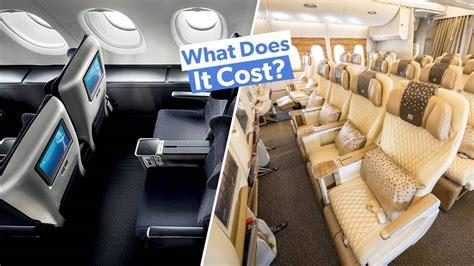
- More space: around 38" seat pitch vs 30–31" in economy, plus a bit more width and deeper recline.
- Better seat: leg/foot rests, bigger screens, more padding, sometimes a small shell around the seat.
- Soft perks: upgraded meals and drinks, better pillows/blankets, amenity kits on some airlines.
- Airport perks: priority check-in and boarding, sometimes fast-track security. Usually not lounge access.
The catch is price. Across routes and airlines, premium economy usually costs about 1.5–2x an economy fare, but real-world markups can range from roughly 30% to 300–400%.
On long-haul routes from India, for example, you might see premiums of ₹20,000–₹50,000+ over economy for a true premium economy cabin. On other routes, the gap can be smaller or much larger. That’s why premium economy value for money really depends on the specific flight.
Here’s how I decide if premium economy is worth the price gap:
- Calculate the real premium
Don’t just look at the total price. Look at the difference vs economy.- If economy is $800 and premium economy is $1,200, the premium is $400.
- On a 10-hour flight, that’s $40/hour for a much better seat and experience.
- Subtract what you’d otherwise pay for extras
Add up checked bags, seat selection, food, maybe lounge access you’d buy separately. If that’s $150 and the premium is $400, the net comfort cost is really $250. - Compare to business class
If premium economy is creeping close to a discounted business fare, I pause. Paying 70–80% of a business price for a non-lie-flat seat is hard to justify. - Check the actual product
Not all premium economies are equal. Some are barely better than extra-legroom economy; others feel close to a light business class. I always check aircraft type and seat maps before paying.
My personal threshold: on flights 8+ hours, especially overnight, I’ll seriously consider premium economy if the price difference is under ~60–70% and the product is genuinely better. Otherwise, I lean toward extra-legroom economy or staying put. That’s how I decide whether long haul flight upgrades are worth it for me.
4. The Check-In Upgrade Game: Last-Minute Comfort at Dynamic Prices
If you don’t mind a bit of risk, check-in upgrades can be the sweet spot between cost and comfort. This is where airline comfort bundle pricing gets interesting.
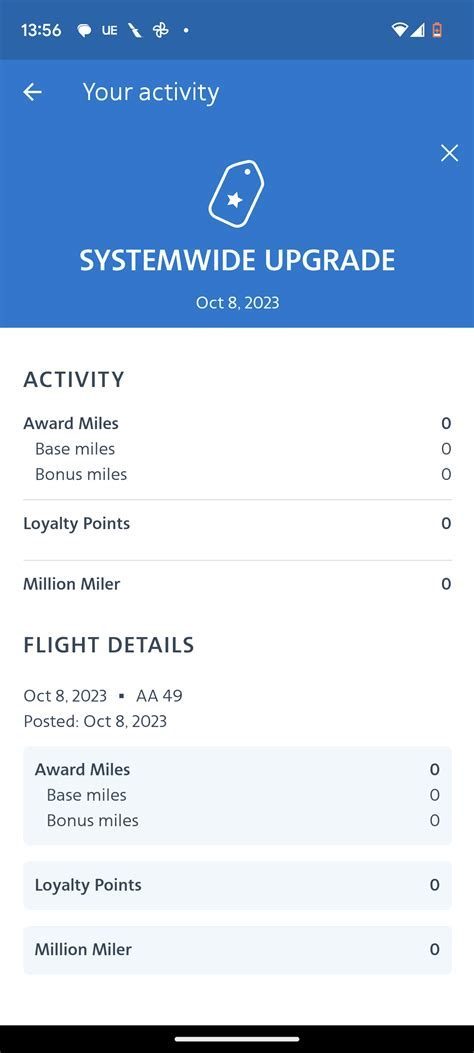
Behind the scenes, airlines use dynamic pricing algorithms to decide how much to charge you to move up a cabin once they see how full the flight really is.
Typical check-in upgrade ranges to premium economy:
- Long-haul international: about $150–$450
- To East Asia: often $250–$450
- Shorter domestic: roughly $50–$150
That’s usually much cheaper than paying the full fare difference at booking, and often the best value upgrades on international flights show up here.
What drives the price up or down?
- Seat inventory: If premium economy is nearly full, prices spike or offers vanish. If it’s half-empty, prices can drop.
- Oversold economy: If economy is oversold, airlines may lower upgrade prices to move people forward and avoid paying denied boarding compensation.
- Route competition: Competitive routes (multiple airlines) often see cheaper upgrades; monopoly routes don’t need to discount.
- Ticket type: Basic economy is often excluded or penalized. You may have to pay to move into standard economy first, killing the value.
Airline behavior matters too:
- US carriers (United, Delta, American): often discount aggressively close to departure. A $600 upgrade might drop to ~$250 in the final hours if seats remain.
- European & Japanese carriers (Lufthansa, British Airways, ANA, JAL): tend to keep prices more stable and higher to protect the premium brand.
Here’s how I play the check-in game:
- Start watching at T–24 hours when online check-in opens. Check the app and website for offers.
- Know your walk-away price in advance. For example:
If I see premium economy under $300 on this 9-hour flight, I’ll take it.
- Accept the risk: there is no guarantee an offer appears. If premium economy sells out (including via bid upgrades), you’re staying in economy.
Check-in upgrades are ideal if you’re flexible: you’re okay in economy, but you’ll happily pay a discounted price for a better seat if the algorithm is kind.
5. Miles, Status, and Certificates: Hidden Ways to Buy Comfort
Cash isn’t the only way to buy comfort. If you fly semi-regularly, elite status, miles, and upgrade certificates can quietly move you out of the back without paying full price.
On major U.S. airlines, the patterns look like this:
- Elite status with the operating airline is usually required for complimentary upgrades. Partner status helps sometimes, but home-airline elites are first in line.
- Upgrade windows open earlier for higher tiers. For example, on American, Executive Platinum can clear up to 100 hours before departure; lower tiers clear closer in.
- Certificates & miles can be used to upgrade specific flights, especially within North America and some international regions.
- Basic economy is often excluded from upgrades entirely.
How this ties into comfortable enough
and economy comfort vs standard economy:
- If you fly a lot on one airline, loyalty can be more valuable than paying cash each time. Free or cheap upgrades to extra-legroom or premium cabins add up.
- Sometimes it’s smarter to book a slightly higher fare that’s upgrade-eligible and then use miles or certificates, rather than buying premium economy outright.
- If you already get free bags, priority boarding, and good seats from status or a credit card, don’t double-pay for those perks in a premium economy fare.
My approach: I treat miles and certificates as a way to subsidize comfort on the longest, hardest flights. I don’t waste them on short hops where economy is fine.
6. A Simple Framework: Is This Upgrade Actually Worth It?
When I’m staring at an upgrade offer, I run through a quick checklist. You can do the same in under a minute and quickly see whether that extra legroom seat cost on a long haul or premium cabin jump is really worth it.
- How long is the flight?
- <3 hours: Almost never worth paying big money. Maybe a cheap extra-legroom seat if you’re tall.
- 3–7 hours: Extra-legroom can be great value. Premium economy only if the price gap is small.
- 8+ hours / overnight: This is where premium economy or a serious extra-legroom seat can be a game-changer.
- What’s my cost per hour?
Take the upgrade price and divide by flight duration.- $300 upgrade on a 10-hour flight = $30/hour.
- Ask yourself:
Would I pay $30/hour right now to be significantly more rested and less sore tomorrow?
- What extras am I already getting?
If you already have free bags, lounge access, and priority boarding via status or a card, then the upgrade is mostly about the seat itself. Don’t mentally credit perks you already have. - What would I pay for the extras separately?
Add up bags, seat selection, food, maybe lounge access. Subtract that from the upgrade price. The remainder is what you’re paying purely for comfort. - Gut check
This matters more than people admit. If the price makes you wince and you know you’ll resent it, skip it. If you feel a sense of relief at the idea of upgrading, that’s a signal too.
In other words: don’t just ask “Is this a good deal?” Ask “Is this a good deal for me on this flight?” That’s how you avoid overpaying for comfort that doesn’t really matter to you.
7. Putting It All Together: Your Personal “Comfortable Enough” Strategy
So how do you turn all of this into a simple plan you can actually use when booking?
- Start in economy, but choose smart
Avoid the worst seats (back rows, near lavs, non-reclining). Use seat maps and reviews. Sometimes a well-chosen economy seat is 70% of the comfort for 0% of the upgrade cost. - Price extra-legroom first
If an extra-legroom seat is under, say, $20/hour of flight time and you’re tall or it’s overnight, it’s often the best value move. This is usually the most budget friendly long haul flight upgrade. - Compare premium economy only after that
Look at the difference vs both regular and extra-legroom economy. Check what the specific airline actually offers in premium economy on that aircraft. That’s how you judge premium economy value for money instead of just paying for the label. - Watch for check-in upgrades
If you’re flexible, monitor offers from 24 hours before departure. Have a pre-setyes
price so you don’t overthink it at the gate. - Use miles and status strategically
Save them for the longest, hardest flights where comfort matters most. Don’t burn them on short hops just because you can. - Never spend beyond your comfort zone
No upgrade is worth financial stress.Comfortable enough
includes how you feel about your bank account when you land.
In the end, “comfortable enough” is personal. For some, it’s a carefully chosen aisle seat, a neck pillow, and a few small upgrades that improve long flights. For others, it’s premium economy on every overnight route.
The key is to know your body, know your budget, and understand what each upgrade is really buying you — in inches, in sleep, and in dollars per hour. Once you see the numbers clearly, the decision stops feeling like a gamble and starts feeling like what it should be: a deliberate trade-off between money and how you want to feel when you step off that plane.