I used to choose flights almost entirely by price. If the cheapest ticket landed at 1:45 a.m. or took off at 5:30 a.m., I’d shrug and think, It’s fine, I’ll sleep on the plane.
Then I started paying attention to what those choices actually did to my body, my wallet, and my sense of safety.
Night arrivals and early-morning departures aren’t just a timing preference. They change how safe you feel walking out of the airport, whether you sleep at all, and what you quietly spend on taxis, hotels, and last-minute fixes. Let’s walk through the real trade-offs so you can decide when a night flight is worth it—and when it’s a hidden money pit.
1. Are Night Flights Actually Less Safe Than Day Flights?
Let’s start with the big worry: is flying at night more dangerous? From an aviation point of view, not really.
Airlines don’t relax safety rules after dark. Pilots and cabin crew are trained for night operations and bound by strict rest regulations so they’re not flying exhausted. Modern aircraft rely on instruments, not daylight, with collision-avoidance systems and layers of redundancy watching for problems even when you can’t see anything out the window. Air traffic control is there 24/7, not just during business hours.
So the plane itself? Generally just as safe at 2 p.m. as at 2 a.m. The real risk shift happens before and after the flight—when you’re moving through cities, airports, and streets in the dark.
That’s where the choice between a night flight and a daytime flight really starts to matter.
2. The Hidden Safety Problem: How You Arrive, Not Just When You Land
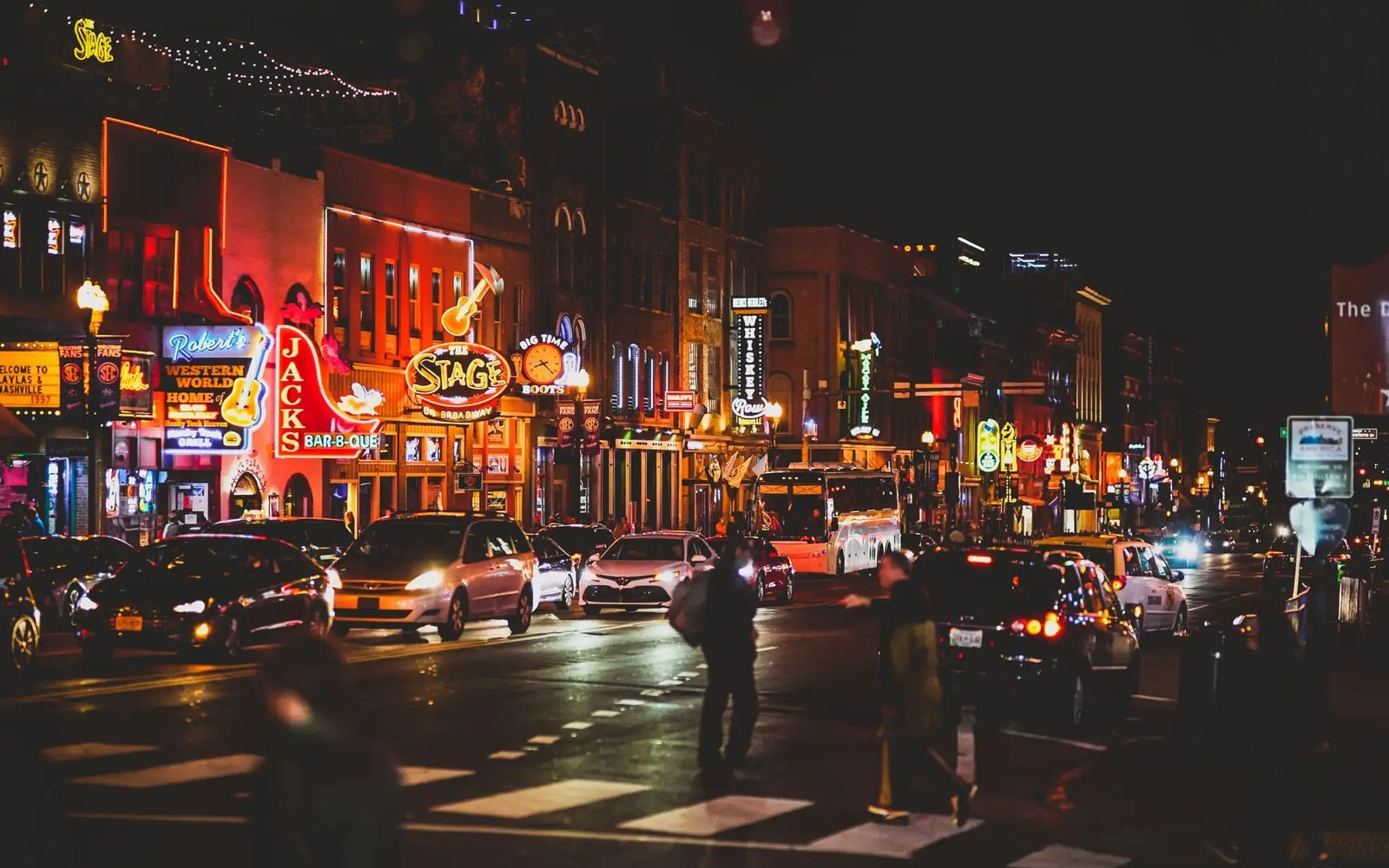
Landing at 11 a.m. and landing at 11 p.m. can feel like two completely different trips, even if the flight number is the same.
At night, your vulnerability spikes in a few specific places:
- Arrivals curb: Fewer people around, more fatigue, and sometimes more aggressive touts or unlicensed drivers. If you’re thinking about solo traveler safety late night arrivals, this is where it really shows up.
- Neighborhood risk shifts: Some areas that feel fine at noon can feel sketchy at midnight. Data from tools like Safe Solo shows that night-time safety scores can drop sharply even within the same city.
- Transport options shrink: Public transit may run less frequently or stop entirely, pushing you toward taxis or ride-hailing and increasing the taxi cost for midnight airport arrival.
Solo travelers—especially women—feel this acutely. There’s the anxiety of walking out of an unfamiliar airport in the dark, scanning for the right car, hoping your phone battery holds, and trying to look confident when you’re actually exhausted.
Here’s the trade-off I use:
- Daytime arrival: Better for first-time solo travelers, new countries, or cities with mixed safety reputations. You can test public transit, walk a bit, and still have daylight as a buffer. For many people, a daytime landing is the easiest way to improve night vs day flight total trip cost when you factor in stress.
- Night arrival: More reasonable if you’ve pre-booked secure transport, know the neighborhood, and have a clear plan from gate to bed.
If you’re new to solo travel, there’s nothing dramatic about choosing daylight as a safety tool. It’s just smart risk management.
3. Transport Trade-Offs: Cheap Ride-Share vs Safer Pre-Booked Car
Most of us compare flights by price and then wing it on airport transport. At night, that’s backwards. Your ground transport can be the riskiest part of the journey—and a big chunk of the hidden costs of late night arrivals.
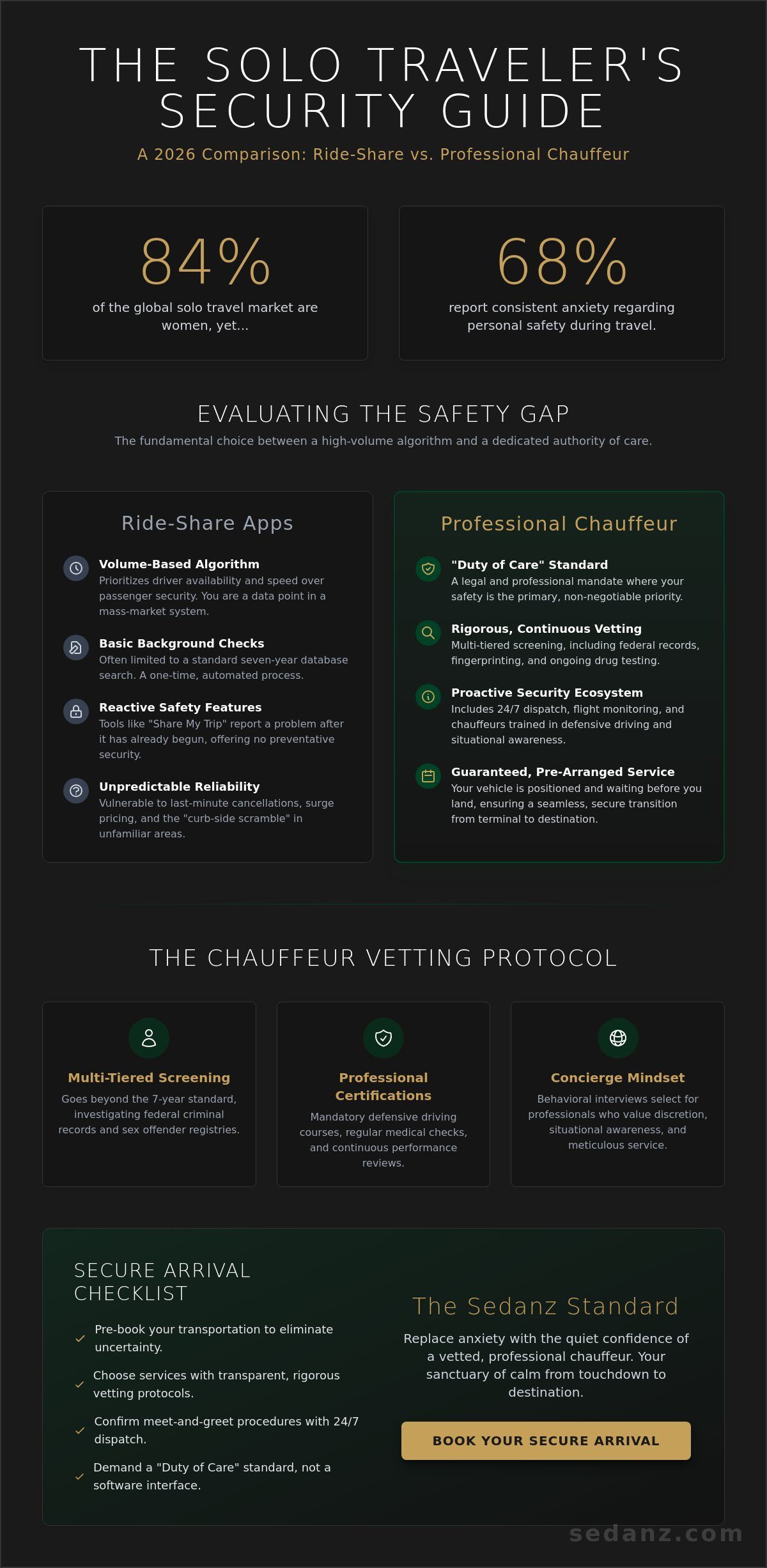
Ride-share apps are convenient, but they’re built for volume, not for duty of care. They offer reactive safety features—trip sharing, emergency buttons—but they don’t guarantee who’s waiting for you at 1 a.m. or how long you’ll stand outside alone while your driver circles the terminal.
Professional chauffeur or car services work differently. They’re boring in the best way:
- Pre-booked and waiting: Your driver is there with your name, often tracking your flight in real time so you’re not stranded after a delay.
- Vetted drivers: Multi-layer background checks, verified identities, and in many cases, commercial insurance that actually covers passengers.
- 24/7 dispatch: A real person to call if something feels off or plans change.
Is it more expensive than a ride-share? Usually, yes. But compare it to the full picture:
- An extra hotel night you booked just to avoid arriving in the dark.
- The premium you’d pay for a daytime flight.
- The cost of feeling unsafe or making rushed decisions when you’re tired.
Sometimes the math works out in favor of a cheaper night flight plus a more expensive, safer ride from the airport. Especially if you’re arriving late, alone, or in a city you don’t know yet. That’s where airport hotel vs rideshare cost and pre-booked cars become part of your overall flight timing trade offs cost and safety calculation.
4. Sleep vs Savings: When Night Flights Destroy the “Deal”
Let’s talk about the lie we all tell ourselves: I’ll just sleep on the plane.
Sometimes you do. Often you don’t. And the cost of that missed sleep shows up in ways we rarely factor in when we’re comparing a red eye flight cost vs hotel or trying to save on an early morning flight departure costs.
- Decision fatigue: You’re more likely to grab the first taxi that approaches, forget to check the meter, or ignore your instincts about a sketchy situation.
- Lost first day: You arrive at 6 a.m., can’t check in until 3 p.m., and spend the day wandering in a fog instead of enjoying the city.
- Impulse spending: Lounges, extra coffees, overpriced airport food, and last-minute hotel nights add up fast.
Night flights can still be smart, but only if you plan for the sleep logistics around them:
- For red-eyes: Choose a window seat, bring an eye mask and earplugs, and treat sleep like a non-negotiable task, not a bonus. If you’re counting on budget tips for red eye flights, this is where they start.
- For brutal early departures: Consider staying at an airport hotel the night before. The extra cost might be worth the extra sleep and reduced stress, especially if you’ve made mistakes with 5am flights before.
- For overnight layovers: Decide in advance: are you paying for a nearby hotel, a sleep pod, or a lounge? Don’t leave it to 1 a.m. you.
The real question isn’t Is this flight cheap?
It’s What will this timing do to my body, my brain, and my budget over the next 24 hours?
5. Airport Sleep: Lounges, Pods, and the “Where Do I Actually Rest?” Problem
Night arrivals and dawn departures often mean one thing: you’re going to spend more time in airports than you’d like to admit. Where you rest during those hours matters for both safety and sanity—and for your airport sleep vs hotel budget.
Here’s how I think about it:
- Lounges: Not just about free snacks. They give you controlled access, fewer random people walking past, and usually better lighting and staff presence. For solo travelers, that’s a safety upgrade as much as a comfort one.
- Women-only areas: Some airports offer women-only rest zones. If you’re a solo woman and you’re trying to sleep, this can reduce the mental load of constantly scanning your surroundings.
- Sleep pods / cabins: Great for short, deep rest with a door you can close. They’re not cheap, but they can be worth it on long, fragmented journeys or when you’re weighing an overnight layover cost comparison.
- Baggage storage: Locking your big bag in an official storage service (airport counter or reputable app-based service) can make you less of a target and less exhausted from hauling everything around.
Also, don’t ignore digital safety while you’re half-asleep on airport WiFi. Use a VPN, avoid logging into banking or sensitive accounts, and assume that public networks are being watched by someone who’s more awake than you are.
And if you’re thinking about sleeping in airport to save money, decide that ahead of time. Bring layers, a travel pillow, and a backup plan in case the terminal you’re in closes overnight.

6. Neighborhood Reality Check: Is It Safe to Arrive at My Hotel After Dark?
We talk about cities as if they’re one thing: Paris is safe
or That city is dangerous at night.
Reality is more granular. Safety can change block by block, and it often changes dramatically after 11 p.m.
Data from tools like Safe Solo shows that two neighborhoods with similar daytime safety can diverge at night—one scoring in the 90s, another dropping into the 70s. Tourist-heavy areas can actually get riskier after dark, with more opportunistic theft, scams, and aggressive touts.
Before you book that tempting night flight, ask:
- Where is my accommodation exactly? Not just the city, but the neighborhood.
- What’s the night-time vibe? Busy but balanced, or drunk-tourist chaos?
- Is there 24-hour public transit? Cities with night buses or trains often have safer late-night corridors because there’s more activity and oversight.
Then layer in some simple habits:
- Ask your hotel or hostel to mark safe and unsafe areas on a map.
- Carry the property’s business card to show taxi drivers, especially late at night.
- Don’t tell new acquaintances exactly where you’re staying; your lodging should remain your private safe zone.
Sometimes the smartest move is to pay a bit more for a hotel in a better-connected, safer neighborhood if you know you’ll be arriving or going out after dark. That extra cost can be the difference between a stressful night flight arrival safety story and a smooth one.

7. When a Night Flight Makes Sense—and When to Avoid It
So how do you decide? I use a simple mental checklist before I click Book
on any night arrival or early-morning departure.
I’m more likely to choose a night flight when:
- I’ve pre-booked a reputable taxi or chauffeur service from the airport.
- My accommodation has 24/7 reception or clear late check-in instructions.
- I know the city or have solid, recent safety info on the neighborhood.
- I’m traveling light and can move quickly and confidently.
- The savings are significant enough to justify the extra planning and the night vs day flight total trip cost still comes out in my favor.
I avoid night flights when:
- It’s my first time in the country and I don’t speak the language.
- The city has a reputation for sketchy airport taxis or scams.
- Public transit shuts down early and I’d be stuck with limited options.
- I’m already sleep-deprived before the trip even starts.
- The total cost (taxis, airport hotel, lounge, lost first day) erases the flight savings and makes that “cheap” ticket more expensive than a daytime option.
There’s no universal rule like never arrive at night
or it’s always fine.
The point is to stop treating flight time as a minor detail and start seeing it as a core part of your safety and comfort strategy.
8. Build Your Own “Timing Strategy” for Future Trips
Here’s a simple way to turn all of this into a repeatable system instead of a one-off overthink.
Next time you’re comparing flights, ask yourself three questions:
- What does this timing do to my safety?
How will I get from the airport to my bed, at that exact hour, in that exact neighborhood? Does a late arrival mean a pricey taxi, or can I safely use public transit? - What does this timing do to my sleep?
Will I realistically rest on the plane or in the airport, and what’s my plan if I don’t? Am I okay with sleeping in airport to save money, or do I need a real bed? - What does this timing do to my budget?
Add in taxis, lounges, airport hotels, and lost productivity or vacation time. Is thecheap
flight still cheap once you factor in every hidden cost of late night arrivals and those sneaky early morning flight departure costs?
Once you start thinking this way, you’ll notice something: sometimes the more expensive daytime flight is actually the better deal. And sometimes the night flight becomes a power move—because you’ve designed the rest of the journey around it, instead of hoping it all works out.
In other words, don’t just book a flight. Book a timeline you actually want to live through.