I don’t start with the question Can I afford it?
I start with What exactly am I buying?
On long flights, premium economy and business class are two different tools: one buys you extra comfort, the other buys you a usable next day.
In this guide, I’ll walk you through a simple cost–comfort framework I actually use. Instead of guessing, you’ll run your flight through a few quick tests and decide whether to stay in economy, move to premium economy, or jump all the way to business class.
1. Start With the Flight Itself: Length, Timing, and Aircraft
Before you even look at prices, figure out the pain level of the trip you’re about to book. Not all long-haul flights feel the same, and that matters a lot when you’re weighing premium economy vs business class.
- Flight length: Under 5 hours, I almost never pay for an upgrade. Between 6–8 hours, it depends on the day and the schedule. Over 8 hours—especially 10–15 hours—cabin upgrades start to matter a lot more.
- Overnight vs daytime: Crossing an ocean on a red-eye and landing in the morning? Sleep becomes the main currency. That’s where business class with a lie-flat seat can be worth the painful price tag. Daytime flights are more about
not being miserable
, which is where premium economy usually shines. - Aircraft type: A 787 or A350 in regular economy can feel better than an older 777 with tight seating. A true premium economy cabin on a modern widebody (like AA’s 787-9 or Emirates’ retrofitted 777) is a different world from a slightly-better-economy seat on a narrowbody.
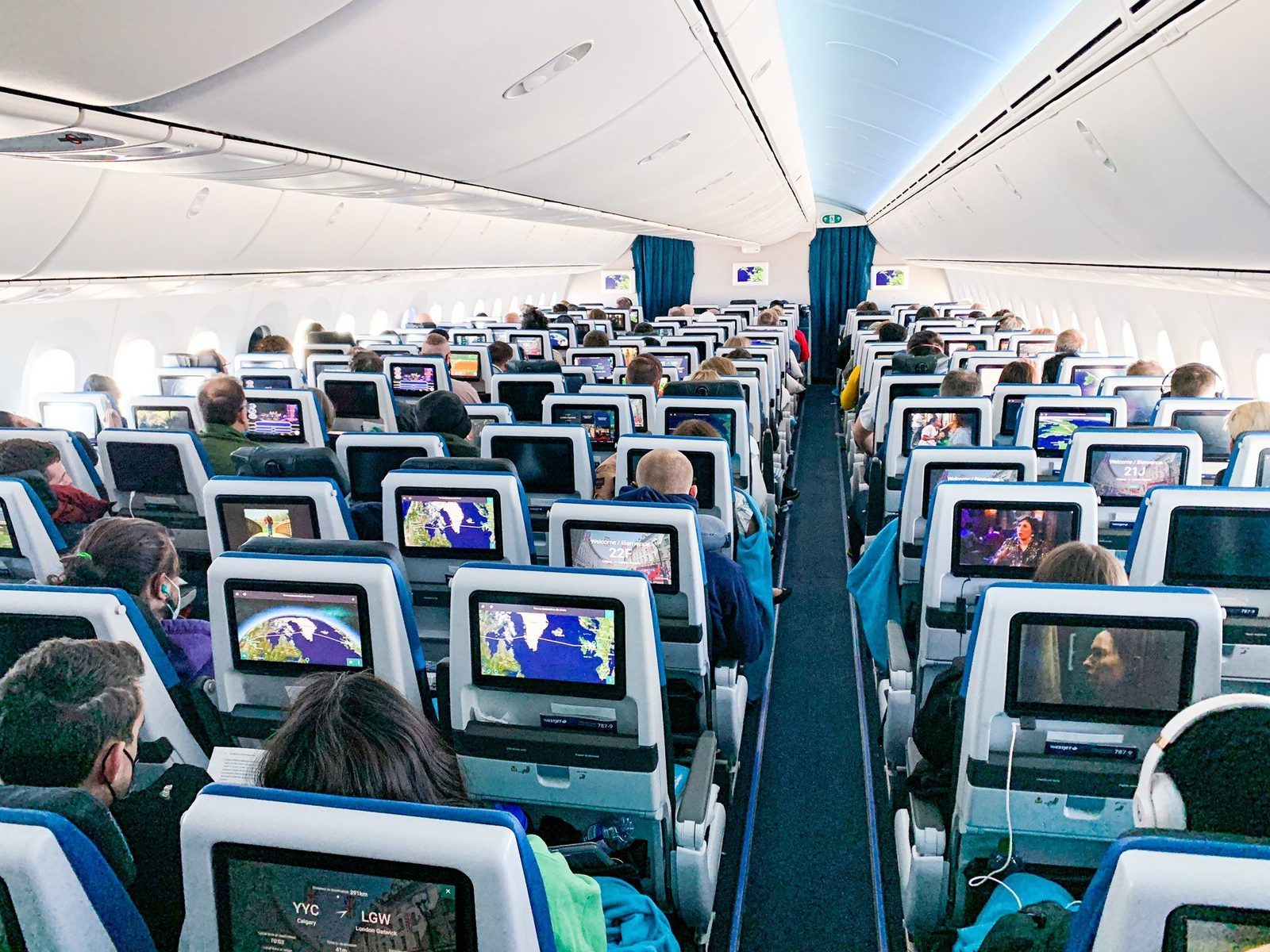
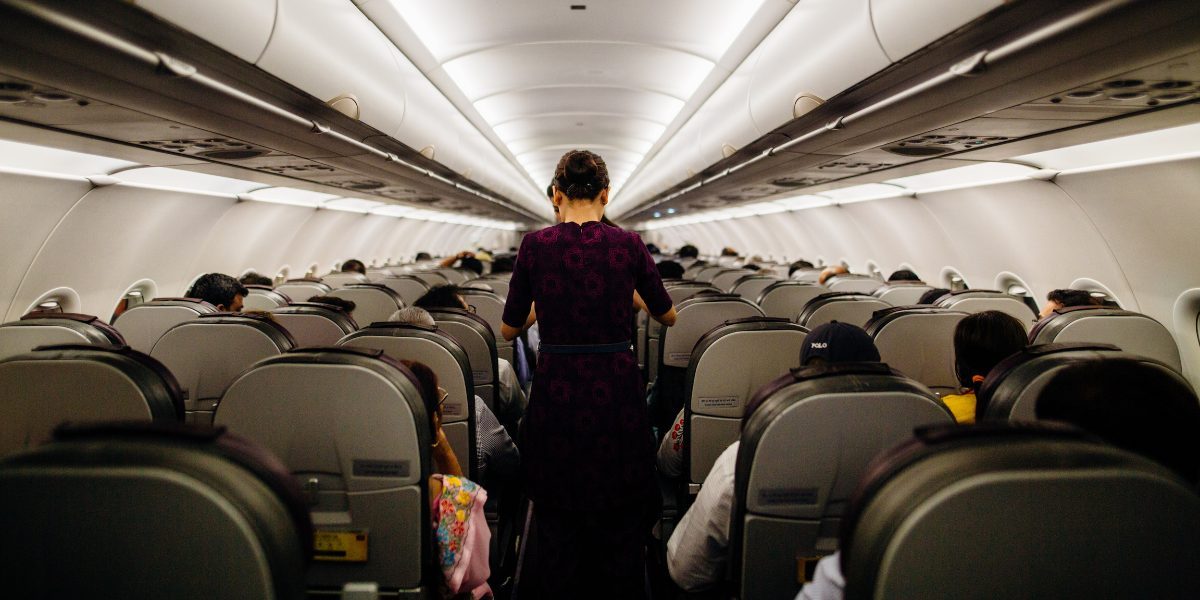
On many long-haul widebodies, economy is 3-3-3 or 3-4-3 across, while premium economy drops to 2-3-2 or 2-4-2. That’s not just a layout change; it’s a density change. Fewer people, more space, less chaos.
So ask yourself:
- Is this flight 8+ hours?
- Is it overnight?
- Is it on a widebody with a real premium economy cabin?
If you’re answering yes
to at least two of those, premium economy is already in play. If it’s a long overnight and you need to function on arrival, that’s when business class enters the conversation and the is business class worth the extra cost? question becomes serious.
2. Understand What You’re Actually Buying in Each Cabin
Airlines love fuzzy marketing. Business Lite
, Premium Comfort
, World Traveller Plus
… it all blurs together when you’re just trying to decide on a flight cabin upgrade.
Let’s strip it down to what you really get.
Premium Economy: Comfort Upgrade, Not a Bed
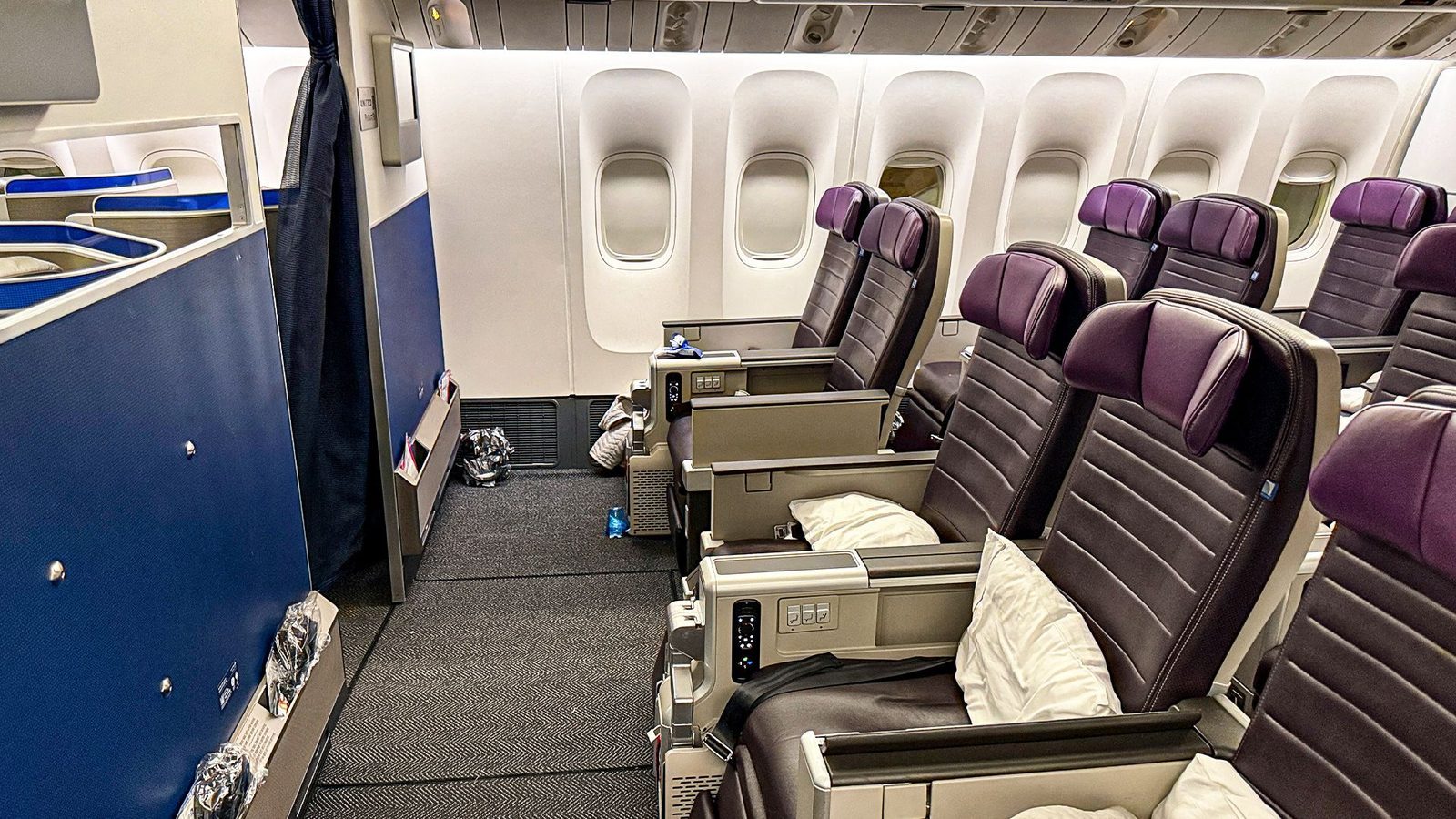
On most long-haul carriers, premium economy is a comfort upgrade, not a luxury product. Typically you get:
- More space: around 37–38 inches of pitch vs 30–31 in economy, plus a bit more width and noticeably more recline.
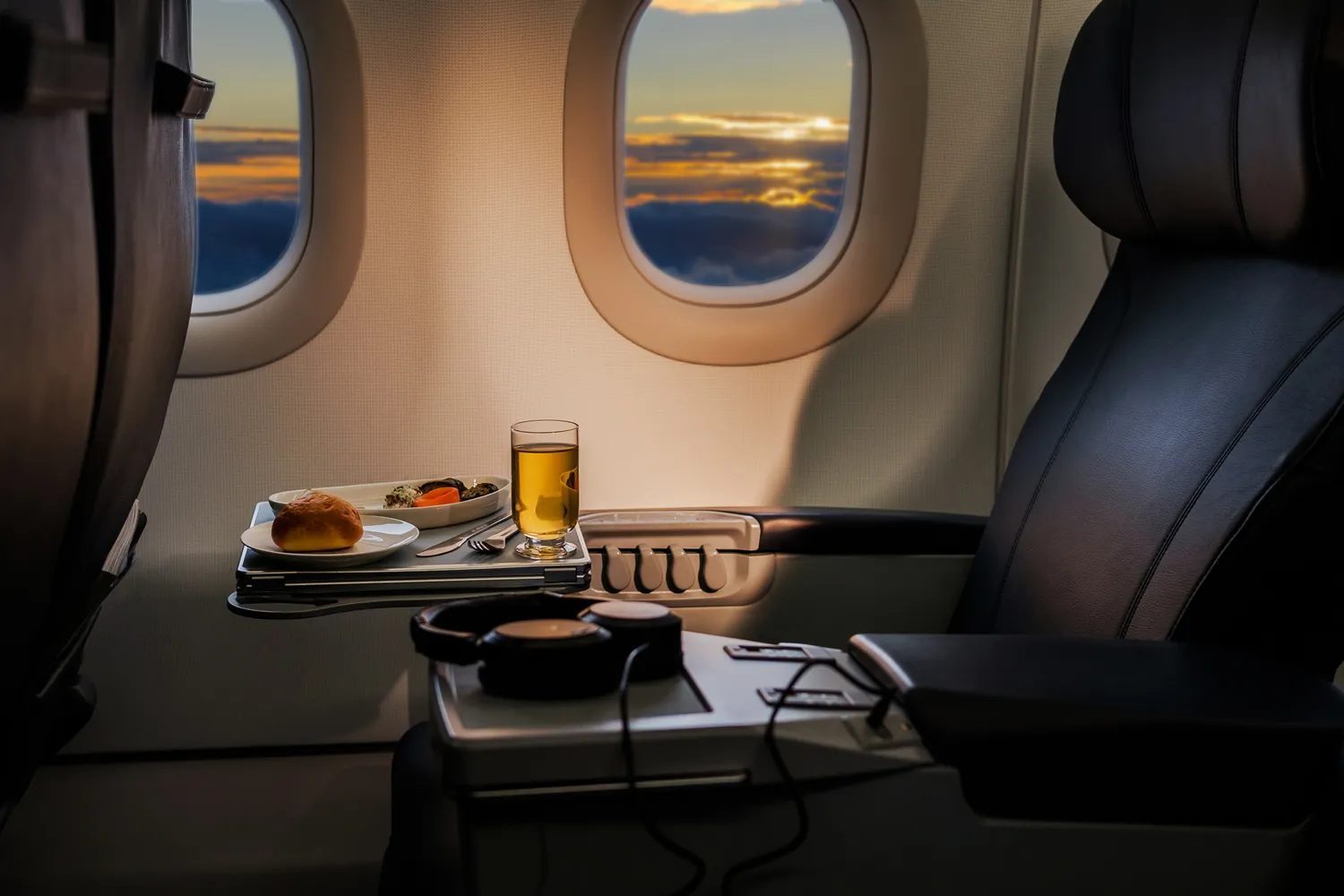
- Better seat design: leg rests or footrests, improved headrests with wings, bigger tray tables, more storage, larger screens.
- Cabin feel: a smaller, quieter cabin (often 2-3-2 or 2-4-2) with its own lavatories and a more
contained
atmosphere. - Soft perks: earlier boarding, sometimes extra baggage, upgraded meals (often on real dishware) and usually complimentary alcohol.
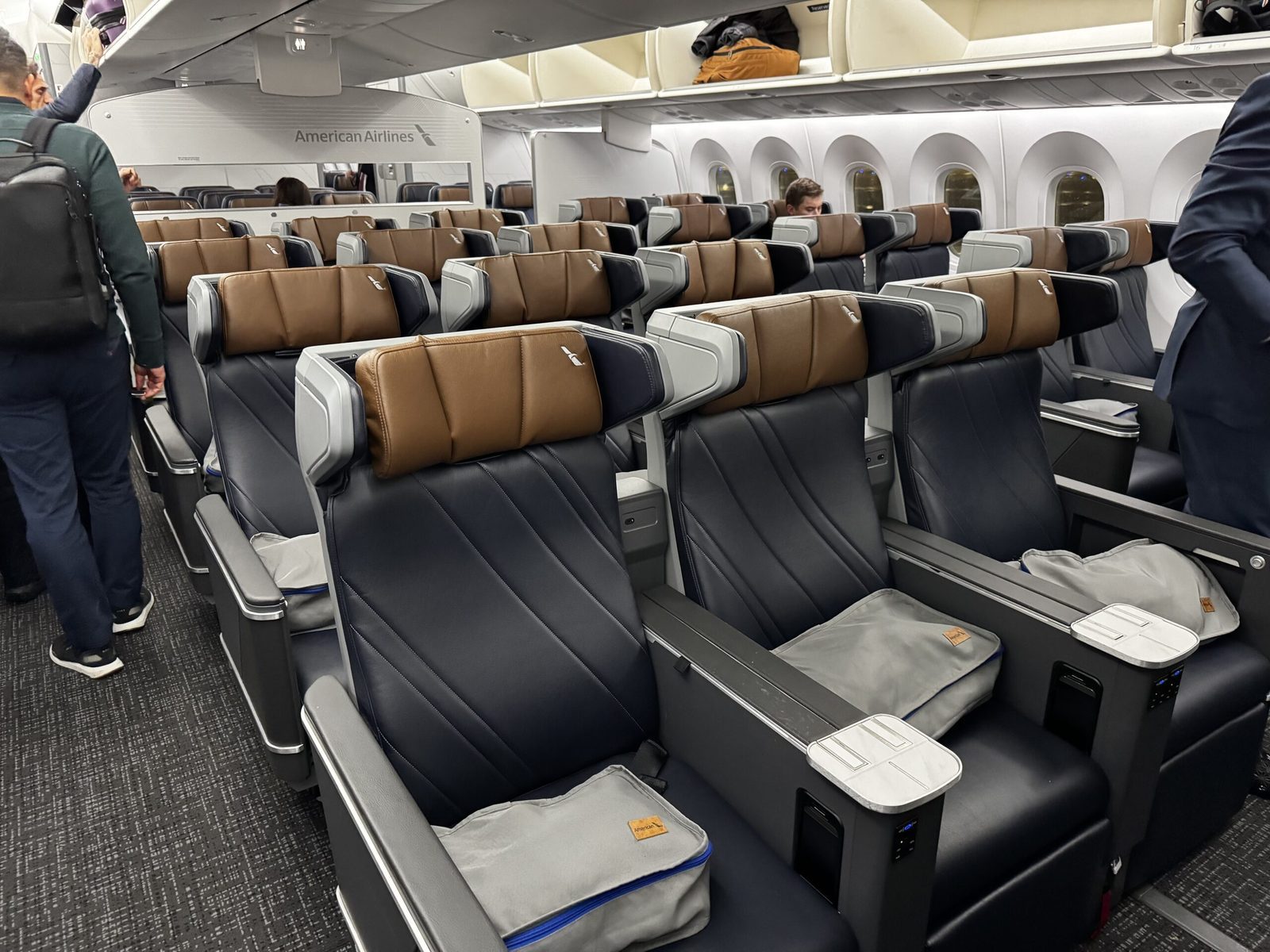
On American’s 787-9, for example, premium economy is a true middle cabin: 2-3-2 layout, bigger screens, leg rests, and a quieter space that feels closer to domestic first than to the back of the bus. On ultra-long routes like Philadelphia–Doha, reviewers have found it viable for 13 hours
even without a bed.
If you’re asking Is premium economy worth it?
on a long daytime flight, this is usually what you’re paying for: more comfort, less stress, but still a regular seat.
Business Class: A Bed and a Workday
Business class in 2026 is a different animal entirely. You’re not just buying a nicer seat; you’re buying a different kind of trip.
- Lie-flat seat or suite: this is the whole point. You’re buying horizontal sleep, not just legroom.
- Service style: dine-on-demand or at least more flexible service, with better food and more personalized attention.
- Ground experience: lounge access, priority everything, smoother connections, often better handling when things go wrong.
- Privacy and productivity: more space to work, fewer interruptions, and a cabin designed for people who need to land and go straight into meetings.
So the core trade looks like this:
Premium economy = comfort upgrade.
Business class = sleep + productivity upgrade.
If you don’t need to sleep properly or work on board, business class is often overkill. If you do need real sleep—especially on overnight long-haul flights—premium economy will always be a compromise, no matter how good the seat is.
3. Run the Numbers: Cost-Per-Hour and the Double-Pay
Trap
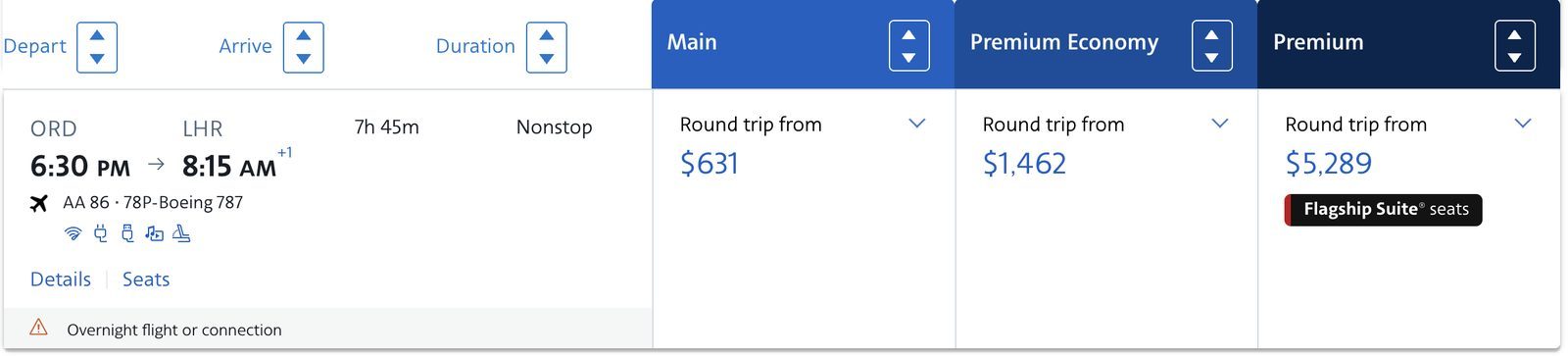
Now for the money side. This is where the flight upgrade cost benefit analysis comes in. I use two quick checks: cost per hour and the double-pay check.
Step 1: Cost Per Hour
Take the upgrade price and divide it by the flight duration. It sounds simple, but it makes decisions much clearer.
- Economy: $600
- Premium economy: $1,200
- Business: $2,400
- Flight time: 10 hours
Now calculate:
- Premium economy upgrade vs economy: $600 / 10 = $60 per hour
- Business upgrade vs economy: $1,800 / 10 = $180 per hour
- Business vs premium economy: $1,200 / 10 = $120 per hour
Then ask yourself, honestly:
Is an extra hour of comfort worth $60 to me on this trip?
Is an extra hour of real sleep and privacy worth $120–180?
On a once-a-year bucket-list trip, your answer might be very different than on a routine work flight. This is where the premium economy cost vs comfort trade-off becomes real, not abstract.
Step 2: The Double-Pay Check
Upgrades often bundle perks you might already have from status or credit cards. That’s where people make classic airline upgrade mistakes.
- Checked bags from elite status or a credit card
- Priority boarding from status
- Lounge access from a card or membership
If you already get those, don’t count them when justifying the upgrade. You’d be paying twice.
Instead, list what you’d actually pay for separately if you stayed in economy:
- Seat selection or extra legroom
- One checked bag
- Paid lounge access (if you’d really buy it)
- Onboard food and drinks
Add that up. If the premium economy upgrade is only slightly more than that total, it’s probably good value. If business class is only a bit more than premium economy, that’s when lie-flat starts to look surprisingly rational and the business class upgrade value improves.
4. Factor in Your Body: Height, Health, and Seat Assignment
This is the part most people skip when they think about how to decide on flight cabin upgrades. The same seat can be fine
for one person and torture for another.
- Height: If you’re over ~6 feet (183 cm), the jump from 31" to 38" pitch is huge. Your knees and back will feel it for days. For shorter travelers, the difference is still nice, but less critical.
- Back, circulation, or mobility issues: Extra recline, leg rests, and the ability to shift positions matter more than free champagne. Premium economy can be the difference between
manageable
andflare-up
. - Seat location in economy: If you’re stuck in a middle seat near the lavatory on a full flight, the value of an upgrade skyrockets. If you already have an exit row or bulkhead, the gap narrows.
Ask yourself:
Will this flight leave me in pain or wiped out for a day?
Is this a one-off discomfort, or will it mess with my work or vacation?
If your body is telling you this is going to hurt
, premium economy is often the sweet spot: you get a wider seat, more pitch, and a quieter cabin without paying business-class prices. For many travelers, that’s the most sensible answer to is premium economy worth it?
5. Decide What You Need on Arrival: Comfort vs Productivity
Now zoom out. Forget the cabin for a second and think about the first 24 hours after landing. This is where the real value of a long-haul flight upgrade shows up.
Ask yourself three questions:
- How quickly do I need to be functional?
Straight into meetings? Driving long distances? Presenting? If yes, sleep and mental clarity have real monetary value. Business class can pay for itself in saved recovery time. - How long is the trip?
On a 3-day work trip, losing the first day to jet lag is a big deal. On a 3-week vacation, you can afford a slow start. - Who’s paying, and what’s the ROI?
If it’s your own money, the bar is higher. If it’s a business expense, compare the fare difference to the value of a productive first day.
Here’s how I personally map it out when I’m weighing premium economy vs business class on long haul routes:
- Daytime long-haul, no urgent plans on arrival: Premium economy if the price is reasonable; business only if the gap is small.
- Overnight long-haul, important work on arrival: Business class if I can afford it or justify it; premium economy only if business is wildly overpriced.
- Overnight leisure trip, flexible first day: Premium economy is usually enough; I’ll nap on arrival and save the business-class money for the trip itself.
Remember: the real product you’re buying is not the seat. It’s how you feel and what you can do after you land.
6. Use Smart Tactics: When and How to Upgrade
Even if you decide an upgrade is worth it, how you buy it matters. The same seat can cost wildly different amounts depending on timing and strategy.
- Watch for last-minute offers: Many airlines discount upgrades in the days or hours before departure. Premium economy especially can drop to a very reasonable add-on at check-in.
- Use miles strategically: Sometimes the mileage gap between economy and premium economy is small, while business is huge. In that case, premium economy is the sweet spot for redemptions and a smart answer to the
when to upgrade to business class
question: often, you don’t. - Compare both gaps: Don’t just compare economy → premium. Always check premium → business. If business is only, say, 20–30% more than premium, the lie-flat bed may be the better value.
- Consider hybrid itineraries: Business one way (usually the overnight), premium economy or economy the other. Many corporate travelers quietly do this to balance cost and comfort.
Also, be realistic about your own habits. If you know you won’t sleep even in business class, paying for a bed you won’t use is pointless. In that case, a solid premium economy seat, a lounge pass, and noise-cancelling headphones might be your optimal combo.
7. A Simple Framework You Can Reuse for Every Trip
To make this practical, here’s a quick checklist you can run through in two minutes before you lock in any long-haul flight upgrade cost.
- Flight profile: Is it 8+ hours? Overnight? On a widebody with real premium economy?
- Your body: Height, health, and how badly a cramped seat will affect you.
- Arrival demands: Do you need to be sharp within a few hours of landing?
- Cost-per-hour: Upgrade price divided by flight time. Does that number feel sane for your budget?
- Double-pay check: Are you paying for perks you already get from status or cards?
- Gap analysis: Compare economy → premium and premium → business, not just one jump.
Then make the call:
- Stay in economy if it’s a shorter or daytime flight, you’re reasonably comfortable, and the upgrade cost per hour feels silly.
- Choose premium economy if you want a clear comfort upgrade on a long flight—especially daytime or when business is far more expensive. This is often the sweet spot in any premium economy pricing guide.
- Choose business class if sleep and productivity on arrival are critical and the extra cost per hour fits your budget or your company’s ROI.
In the end, the right
cabin is the one where the extra dollars you spend match the extra comfort or capability you actually use. Run the numbers, listen to your body, and be honest about what you need the day after you land. That’s the simplest cost–comfort framework there is.