I love a good flight hack. I don’t love feeling tricked by a “deal” that ends up more expensive, more stressful, or both. Mixing a budget airline with a full-service carrier on separate tickets is one of those ideas that sounds brilliant at first glance. The real question is: does it still save money once you add in all the hidden costs and risks?
Let’s walk through the trade-offs, the extra fees, and when this kind of self-connecting itinerary actually beats a simple through-ticket.
1. The Big Idea: Positioning Flights and Self-Connections
The basic strategy is simple. Instead of buying one through-ticket from your home airport to your final destination, you:
- Book a cheap budget flight to a major hub (London, Istanbul, Frankfurt, Vienna, etc.).
- Then book a separate long-haul ticket on a full-service airline from that hub.
From Europe, this can be powerful. Low-cost carriers like Ryanair, Wizz Air, easyJet or Pegasus often sell one-way flights to big hubs for €15–€40. From those hubs, full-service airlines sometimes run aggressive promos to Asia, the Americas, or Oceania. According to deals sites like Fly4free, it’s not unusual to save €200–€500 per trip this way.
On paper, that’s huge. But here’s the catch: you’re on separate tickets. If your first flight is delayed and you miss the second, the long-haul airline doesn’t care. They’re not responsible. You’re just a no-show.
So the first decision is almost philosophical: are you willing to trade protection for price? If you are, mixing a budget airline and a full-service carrier can be worth exploring. If not, this particular hack probably isn’t for you.

2. The Hidden Time Cost: Layovers, Transfers, and Sleep
Self-connecting on separate tickets only really works if you build in a generous safety buffer. That usually means:
- Long layovers – 6+ hours is common, sometimes overnight.
- Extra airport transfers – especially in cities like London where you might land at Stansted and depart from Heathrow or Gatwick.
Take London as an example. You might fly a low-cost carrier into Stansted, then take a bus to Heathrow for your long-haul flight. Buses like FlixBus or National Express are efficient and not too expensive, but they still cost money and time. That “cheap” €20 positioning flight can quietly turn into:
- €20 flight
- €15–€30 bus between airports
- Extra meals and coffee during a long layover
- Possibly a hotel if you choose an overnight buffer
Now ask yourself: what is your time worth? If you’re saving €250 but losing a full day in transit, maybe that’s a fair trade. If you’re on a tight schedule, it might be a terrible one.
As a rough guide, if the saving from a separate ticket vs through ticket is under about 20–25% of the total trip cost and it adds a lot of hassle, it’s often not worth it.
3. Budget vs Full-Service: When the Cheap Ticket Isn’t Actually Cheap
Here’s where many people get burned. With low-cost carriers, the base fare is not the real price. It’s just your entry ticket. Everything else is extra.
On most budget airlines, the base fare often includes only:
- A seat
- A very small personal item
Then the add-ons start:
- Carry-on or checked bag
- Seat selection (especially if you want to sit together)
- Priority boarding
- Meals or drinks
- Payment or booking fees in some cases
On some ultra-low-cost airlines, a “$49” fare can easily become $200+ once you add a carry-on, a checked bag, and a seat you actually want. Meanwhile, a full-service airline might offer a $230 fare that already includes:
- Checked baggage
- Standard carry-on
- Meals and drinks
- Seat selection (or at least a free standard seat)
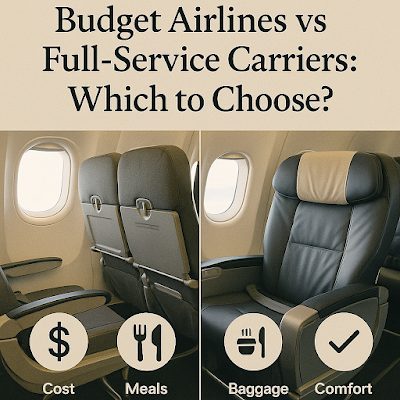
So when you’re mixing budget and full-service airlines on separate tickets, you need to compare the total door-to-door cost, not just the headline prices. That means:
- Adding all the budget airline extras you’ll realistically buy.
- Comparing that against a single through-ticket on a full-service carrier.
Sometimes the combo wins by a lot. Other times, the full-service through-ticket is only slightly more expensive but far more comfortable and protected. The only way to know is to do the math and look at the separate tickets hidden costs—bags, seats, food, and fees.
4. Comfort and Sanity: Short Hop vs Long Haul
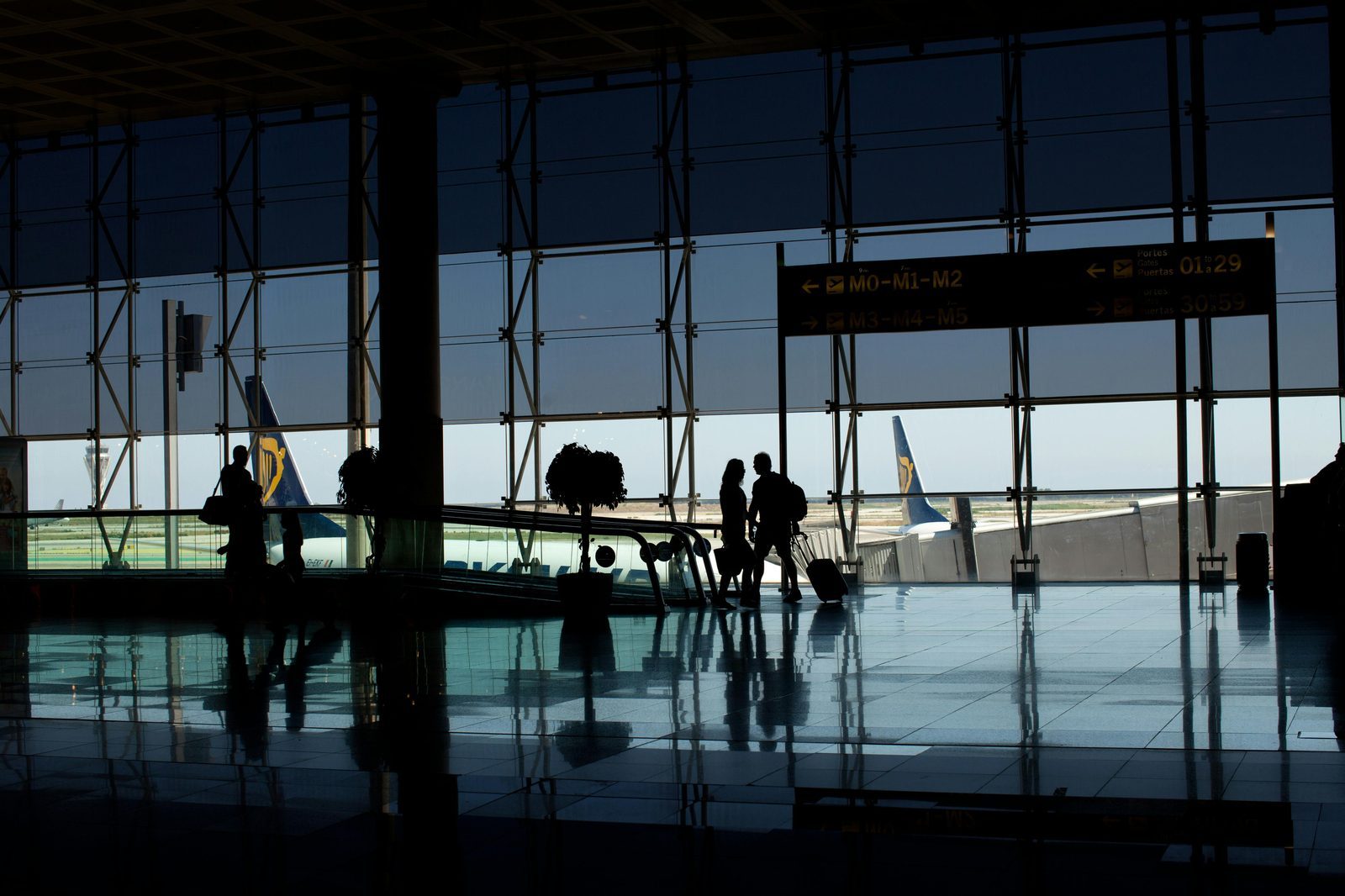
For a 1–2 hour hop into a hub, most people can tolerate a no-frills budget airline. Tight seat, no free water, no problem. But for the long-haul leg, the equation changes completely.
Full-service airlines typically offer:
- More legroom (around 31–32 inch pitch vs 28–29 on many budget carriers)
- Better recline and seat padding
- Seatback entertainment or at least decent Wi‑Fi options
- Meals, snacks, and drinks included
On an 8–14 hour flight, that’s not a luxury. It’s your sanity. So using a low cost carrier to a hub and then a long-haul on a full-service airline can be a smart way to balance cost and comfort.
The problem is when the positioning leg undermines that comfort by:
- Forcing you into a very early or very late departure
- Leaving you exhausted before the long-haul even starts
- Adding stress about delays and missed connections
Sometimes, paying a bit more for a single, well-timed full-service itinerary means you arrive fresher, with fewer moving parts. That has real value, especially for business trips, family travel, or short vacations where every hour counts.
5. Risk Management: What Happens When Things Go Wrong?
This is the part many travelers underestimate. On a single through-ticket, if your first leg is delayed and you miss your connection, the airline (or alliance) usually has to rebook you. On separate airline bookings, you’re on your own.
You need a plan for:
- Delays and cancellations on the budget leg.
- Missed long-haul flights where the airline treats you as a no-show.
- Overnight stays if you deliberately build a huge buffer.
Here’s how to reduce the missed connection risk on separate tickets when you do this:
- Choose morning flights for the budget leg to reduce knock-on delays.
- Allow at least 6 hours between arrival and departure, more if changing airports.
- Consider an overnight stop in the hub city and treat it as a mini-trip.
- Buy travel insurance for separate tickets that covers missed connections (and read the fine print carefully).
- Book the long-haul with a carrier that has multiple daily flights on the route, so rebooking (even at your own cost) is more realistic.
If you’re the kind of traveler who panics at the first delay notification, a self-connecting flights setup may not be worth the mental load. If you’re flexible and can treat disruptions as part of the adventure, the savings can be worth it.
6. Airport Choice and Ground Costs: The Silent Budget Killer
Another thing that can wreck the cost of combining low cost and legacy airlines is the airport itself. Budget airlines often use secondary airports or low-cost terminals. Full-service airlines usually use main terminals at major airports. When you mix the two, you can end up with awkward combinations like:
- Arriving at a distant low-cost terminal
- Departing from a main terminal or even a different airport entirely
That means:
- Extra transport costs (buses, trains, taxis)
- Extra time buffer for traffic and security
- More chances for something to go wrong
In cities like London, this is a big deal. A cheap flight into Stansted plus a bus to Heathrow plus a long layover can easily eat into your savings. In Istanbul, Vienna, or Frankfurt, the transfers are often simpler, but you still need to factor in local transport and time.
Before you book any budget airline and full-service connection, map the whole journey:
- Which airport and terminal do you land at?
- Which airport and terminal do you depart from?
- How long does the transfer realistically take at the time of day you’re traveling?
- What does that transfer cost?
Only then can you say whether the “cheap” combo is actually cheap, or whether the extra costs of separate airline bookings quietly kill the deal.

7. When Separate Tickets Really Make Sense (and When They Don’t)
So, are separate tickets with budget and full-service airlines really cheaper? Sometimes. But only under certain conditions.
It usually makes sense when:
- You’re flexible with dates and times.
- You travel light (ideally with just a carry-on that fits strict budget rules).
- You’re comfortable with long layovers or even overnight stops.
- You’re saving a meaningful amount (think €200–€500, not €40).
- You actually want to visit the hub city for a day or two.
It usually doesn’t make sense when:
- You’re on a tight schedule (business trip, short holiday, important event).
- You’re traveling with kids, elderly relatives, or anyone who doesn’t handle stress well.
- You need checked baggage, seat selection, and flexibility – all of which erode the budget advantage.
- The saving is small once you add bags, transfers, and food.
The smartest move is to treat the cheap flights with self transfer idea as one option, not your default. Price it out fully, including:
- All airline fees (bags, seats, meals, payment fees)
- Airport transfers and local transport
- Extra meals and possible hotel nights
- Your time and stress tolerance
Then compare it to a simple through-ticket on a full-service carrier. Sometimes the combo wins by a mile and you’re genuinely saving money with separate airline tickets. Sometimes the “boring” option is actually the smartest, cheapest, and most comfortable choice.
In other words: don’t chase the lowest number on the screen. Chase the best value for the way you actually travel, with all the real-world costs of separate ticket itinerary risks in mind.