

I’ve lost count of how many times I’ve clicked on a “$99 flight” only to watch the price quietly double by the time I reached the payment page. If you’ve ever wondered whether those bargain fares, awkward layovers, and brutal red-eyes are actually worth it, you’re not alone.
This isn’t about shaming cheap flights. I love a good deal. But I’ve also learned that the cheapest ticket on the screen is rarely the cheapest trip in real life. Time, sleep, airport food, transfers, baggage fees, and stress all have a price. The real cost of cheap flights only shows up once you add everything together.
So let’s pull back the curtain. We’ll look at layovers, red-eye flight cost savings, airport transfer costs, and all the little extras that quietly turn a “deal” into a money pit. The goal isn’t to scare you off budget airfare—it’s to help you spot when a cheap flight is actually good value, and when it’s just clever marketing.
1. Why Some Layovers Are Cheaper Than Direct Flights
Ever seen this: a direct flight to a city costs $400, but a flight to another city via that same place is $260? It feels like airline nonsense. In a way, it is.
Most big airlines run a hub-and-spoke system. They funnel people through central hubs and use complex pricing algorithms to fill planes, not to reward logic. That’s why:
- A flight with a layover can be cheaper than a direct one, even if it’s longer and more annoying.
- Flying
past
your real destination can cost less than flying straight there. - Some routes are subsidized by demand on other legs, so you’re effectively riding on a discount someone else helped create.
Tools like Skiplagged exploit this by finding hidden-city fares—tickets where the layover city is actually your real destination. You book A → B → C, but you get off at B and never take the last leg.
On paper, it’s brilliant. In reality, there are catches:
- You can’t check bags (they’ll go to the final city, not your layover).
- If you skip a segment, the airline can cancel the rest of your ticket.
- It usually violates the airline’s terms and conditions, and they don’t love that.
My rule: I only consider hidden-city tricks when I’m flying one-way, with carry-on only, and I’m comfortable with the risk. Otherwise, I treat layovers as what they are: a trade-off between money and hassle, and part of the total trip cost with layovers that I’m willing—or not willing—to pay.
2. The Layover Trap: When Savings Disappear in the Airport
Let’s say you save $60 by choosing a flight with a 6-hour layover instead of a 90-minute one. On the booking page, that looks like a win. In the real world, you’re stuck in a mall with runways.
Airports are designed to make you spend. Long layovers mean:
- Multiple meals at airport prices (which are rarely kind).
- Impulse shopping because you’re bored, tired, or stressed.
- Paid lounges, capsule hotels, or day rooms when the fatigue hits.
Now imagine you’re on a red-eye or a late-night connection. Food options shrink, prices don’t. You’re more likely to grab whatever’s open, even if it’s overpriced and underwhelming.
Here’s the uncomfortable question I ask myself before booking a long layover: If I end up spending $30–$50 in the airport, is this still a deal?
Often, the answer is no. The hidden costs of layovers—food, boredom shopping, maybe a shower or a nap pod—can quietly erase the savings that tempted you in the first place.
Better approach:
- Estimate at least one full meal and a snack per 4–6 hours of layover.
- Add that to the ticket price before you compare options.
- Pack real food (not just snacks) if you know you’ll be stuck for hours.
Once you start calculating the full cost of flights this way, some “cheap” itineraries stop looking so cheap.

3. Red-Eyes and Awkward Flight Times: The Hidden Cost of Sleep
Red-eyes and 2 a.m. departures look cheap for a reason: most people don’t actually want them. Airlines discount what they struggle to sell, so the red eye flight cost savings can look tempting on paper.
But here’s what those odd times really cost:
- Ground transport: When you land at 1 a.m. or depart at 4 a.m., public transit may not be running. That “cheap” flight can force you into a $40–$80 taxi or rideshare.
- Lost sleep: You might save $70 on the ticket and lose an entire day at your destination because you’re wrecked.
- Extra nights: Sometimes you need an extra hotel night because your flight leaves so early or arrives so late that normal check-in/out times don’t line up.
Ask yourself:
How much is a full night of sleep worth to me on this trip?
Will I lose a workday or a vacation day recovering?
What will I pay in taxis or transfers because of this timing?
When I factor in taxis, coffee, and the productivity I lose after a brutal red-eye, the “cheap” option often ends up more expensive than a decently timed flight. The real cost of cheap flights isn’t just the fare—it’s how you feel when you land.
My rule: If a better-timed flight is within about $50–$100 on a long trip, I treat it as an investment in my sanity, not an indulgence. In the red eye vs daytime flight cost debate, I usually side with the one that lets me arrive functional.
4. Self-Connecting and Long Layovers: Smart Stopover or Stress Factory?
There’s a clever way to use layovers: turn them into mini-trips. Instead of dreading a 9-hour wait, you can plan a day in a new city or even a 1–2 night stopover.
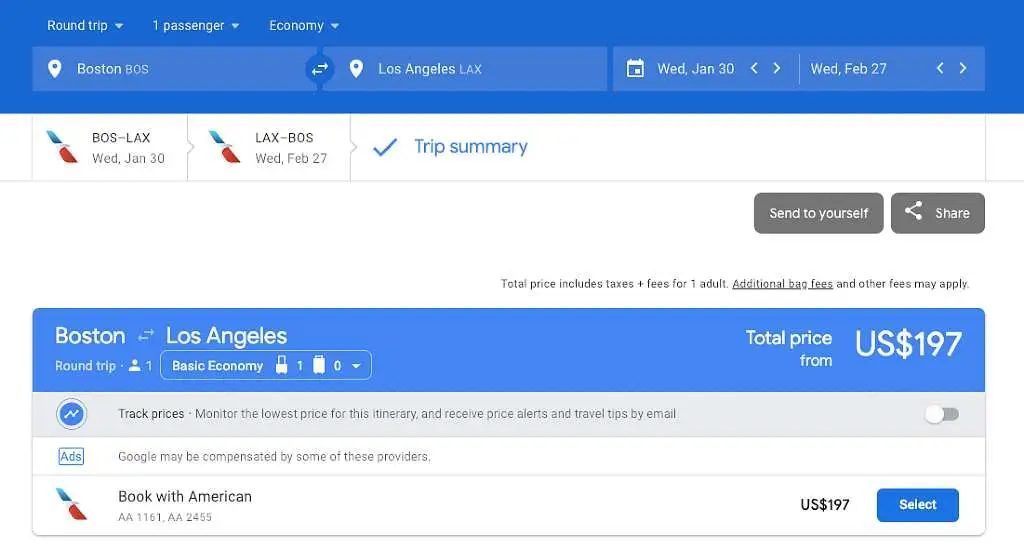
Some travelers break long journeys into separate tickets—say, Boston → LAX and then LAX → Sydney—because it can be cheaper and less exhausting than one ultra-long haul. Tools like Google Flights make it easy to spot these opportunities and compare a cheap flight vs direct flight in a more nuanced way.
But there’s a catch: responsibility.
- On a single ticket, the airline owns the connection. If you miss it because of a delay, they usually rebook you.
- On separate tickets, you own the risk. If your first flight is late and you miss the second, that’s on you.
So, when does a DIY stopover make sense?
Good idea when:
- You have a buffer of at least 4–6 hours between flights (more for international).
- Your onward destination has multiple flights per day.
- You’re traveling with carry-on only and can move fast.
- You actually want to see the layover city and have done basic research (transit, visas, airport distance).
Bad idea when:
- You’re anxious about timing or hate uncertainty.
- You’re on a tight schedule (weddings, cruises, important meetings).
- You’re checking bags or traveling with kids, elders, or a lot of gear.
Think of self-connecting as a calculated gamble. The savings and extra city can be great, but only if you’re honest about your risk tolerance and factor in the total trip cost with layovers, not just the headline fare.
5. Baggage, Seats, and Fees: The Airline’s Fine Print Game
One reason “cheap” flights look so cheap is that airlines quietly stripped out what used to be standard. Basic economy and ultra-low-cost fares often include little more than a seat and a safety briefing.
Here’s where the real cost creeps in:
- Baggage: Some fares include only a personal item. Carry-ons and checked bags can easily add $30–$80 each way, per bag.
- Seat selection: Want to sit with your partner or avoid the middle seat? That’s another fee.
- Change flexibility: Rock-bottom fares are often non-changeable or come with high change fees.
- Award tickets: Even “free” flights booked with miles can carry $200–$1,400 in taxes and surcharges on international routes.
Many of these extras appear on the final booking screens, sometimes pre-checked or framed as recommended
. If you’re not paying attention, you end up paying for things you don’t need. This is where budget flights hidden fees and low cost airlines extra expenses really show up.

How I compare flights now:
- I list what I actually need: 1 checked bag? Seat selection? Flexibility?
- I add those costs to each fare before deciding which is cheaper.
- I ignore the headline price and focus on the all-in cost.
Sometimes a slightly more expensive fare that includes a bag and seat ends up cheaper than the bare-bones option once you add everything back in. Calculating the full cost of flights like this is the easiest way to avoid common cheap flight booking mistakes.
6. Airport Transfers and Hotel Location: The Costs Everyone Forgets
Cheap flights and cheap hotels often share the same problem: they look great on a map until you realize how far they are from where you actually need to be.
With flights, awkward arrival times can force you into expensive transfers. With hotels, a bargain room far from the city center can quietly eat your budget in daily transport costs.
Think about this scenario:
- You save $80 by booking a late-night arrival.
- Public transit is closed, so you spend $50 on a taxi.
- Your hotel is 45 minutes outside the city because it was cheap.
- You spend $10–$20 per day commuting in and out.
That “cheap” plan can easily cost more than a central hotel and a better-timed flight. Airport transfer costs for cheap flights and out-of-the-way hotels are classic examples of expenses people forget to include.
Questions I ask before booking:
How will I get from the airport to my accommodation at the time I land?
What does that transfer actually cost?
Is my hotel’s location going to force me into daily transport expenses?
Once you add transfers and location into the equation, the value of a slightly more expensive but better-timed flight becomes much clearer. Cheap flights and airport transfers are always linked—ignore that, and the “deal” can disappear fast.
7. When a Cheap Flight Is Actually a Good Deal (and When It’s Not)
Not every cheap flight is a trap. Some are genuinely great value. The trick is knowing the difference.
A cheap flight is usually worth it when:
- You’re flexible on time and dates.
- You’re traveling light (carry-on only).
- You’re comfortable with layovers and minor disruptions.
- You’ve checked baggage fees, transfers, and timing, and it still comes out cheaper.
A cheap flight is often a bad deal when:
- It turns into a 20+ hour travel day with multiple connections.
- You’ll arrive exhausted and lose a full day at your destination.
- Taxi, baggage, and airport costs erase the savings.
- You’re traveling for something important and can’t afford delays.
Here’s the mindset shift that helps: stop asking “Is this ticket cheap?” and start asking “Is this trip good value?”
That means looking at:
- Total door-to-door time.
- Sleep and energy you’ll lose.
- All-in cost: ticket + bags + transfers + airport spending.
- Your stress level and risk tolerance.
Once you see the full picture, some “deals” stop looking like deals at all. The true price of budget airfare only makes sense when you include cheap flights long layover costs, the cost of an overnight airport layover, and all those low cost airlines extra expenses.
Next time you’re tempted by a rock-bottom fare, pause for a moment and run the numbers beyond the booking page. Think about the real cost of cheap flights, not just the number in bold. Your future, less-exhausted self will thank you.