If your U.S. visa appointment is more than a year away, you’re not imagining it—many people are seeing 400+ days
on the screen and wondering, So… does everything go on hold now?
It doesn’t have to. A long wait is frustrating, but it’s also a signal to start planning differently. Below is how I’d think through it in real life: what’s realistic, what’s a waste of time, and what backup plans actually help while you wait.
1. First Reality Check: Is Your Appointment Really “Over a Year Away”?
Before you assume the worst, it’s worth confirming what you’re actually dealing with.
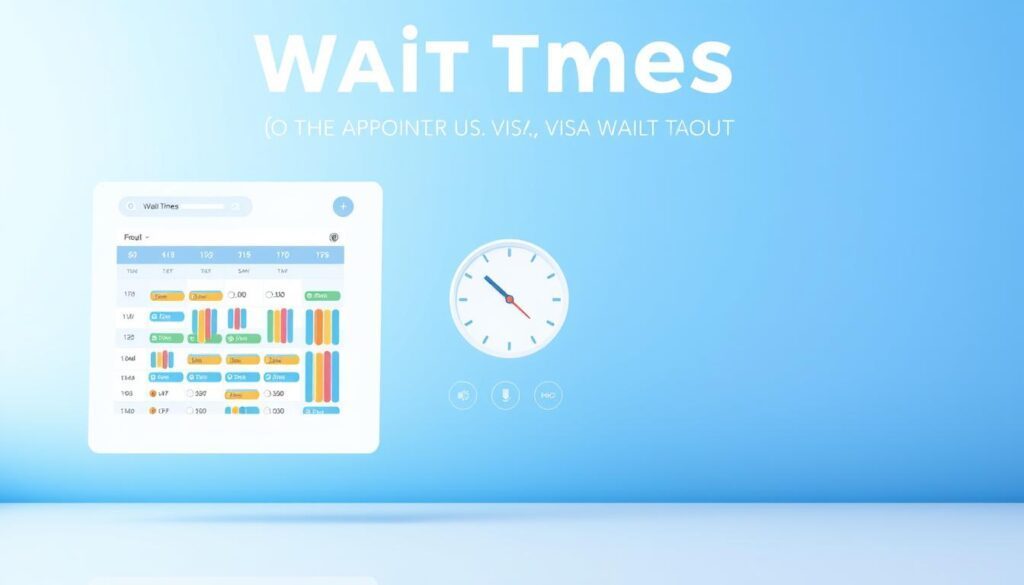
- Check the official wait time. Use the State Department’s Global Visa Wait Times tool on travel.state.gov. It shows typical wait times by consulate and visa type.
- Compare it with the date you booked. The system might give you a date that’s much later than the posted average because of how cancellations and new slots appear.
Here’s what I keep in mind when looking at those numbers:
- Wait times are estimates based on past data, not guarantees. They can move in either direction.
- They cover time until the interview only, not administrative processing or passport return.
- New slots and cancellations pop up all the time. The first date you see is rarely the final story.
So my first move is always simple:
- Book the earliest slot you can see.
- Log in regularly—daily if you can, weekly at least—to check for earlier openings.
If you’ve been doing this for a while and your U.S. visa appointment is still 12–18 months away, then yes, you’re dealing with a long wait and need a real plan.
2. Can You Move Faster by Changing Where or How You Apply?
When I see a wait time that’s over a year, I don’t just shrug and accept it. I ask a more useful question:
Is there another legal, realistic way to apply that shortens this wait?
There are a few levers you actually control when dealing with a long U.S. visa appointment backlog.
Check other consulates you’re eligible for
Wait times can vary wildly. One consulate might be 60 days, another 400+. Using the global wait-time tool and local consulate websites, I’d look at:
- All U.S. embassies/consulates in your home country.
- Any country where you are a legal resident (not just visiting on a tourist visa).
People often ask about third-country U.S. visa stamping options. It sounds tempting: fly somewhere else, get a faster slot, problem solved. In reality, it’s not that simple.
Many posts either don’t accept non-residents for routine B1/B2 or student visas, or they warn that wait times for non-residents are even longer. Applying in a country where you don’t have proper jurisdiction can backfire and add months to your already long U.S. visa wait time.
See if you qualify for an interview waiver
In some places, certain renewals can be done without an in-person interview (often called an interview waiver
or dropbox
). This can be a huge time-saver if you qualify.
The catch:
- Rules vary by consulate and change often.
- You usually must be a national or legal resident of that country.
- Eligibility often depends on having a recent prior visa in the same category and a clean history.
For this, I’d skip blogs and go straight to the specific instructions on your consulate’s website. If you assume you’re eligible for an interview waiver when you’re not, you can lose time and miss travel plans.
Don’t fall for “priority” or “VIP” appointment sellers
When your U.S. visa appointment is over a year away, it’s easy to get desperate—and that’s exactly when scams show up.
The official scheduling systems (like GDIT/USTravelDocs/ais.usvisa-info.com) are the only legitimate way to book. The State Department and GDIT are very clear: no third party can legally sell you a faster appointment or special access. Paying extra to a fixer does not move you ahead in line.
If someone claims they can unlock hidden slots
, guarantee an earlier date
, or expedite your U.S. visa appointment
for a fee, I treat that as a major red flag.
3. Should You Request an Expedited Appointment?
When your interview is a year away, the obvious thought is: Can I get an emergency slot?
Sometimes you can—but the bar is high.
When an expedite is worth trying
Consulates generally consider expedited appointments only for urgent, unforeseen situations, such as:
- Serious medical emergencies (you or an immediate family member) requiring treatment in the U.S.
- Funerals or urgent end-of-life visits for close family.
- Imminent, documented school start dates (F/M/J visas) where you applied in reasonable time.
- Urgent, critical business travel that can’t be postponed and is clearly documented.
- ESTA denial when you have imminent travel and no prior time to apply.
To even request an expedite, you usually need to:
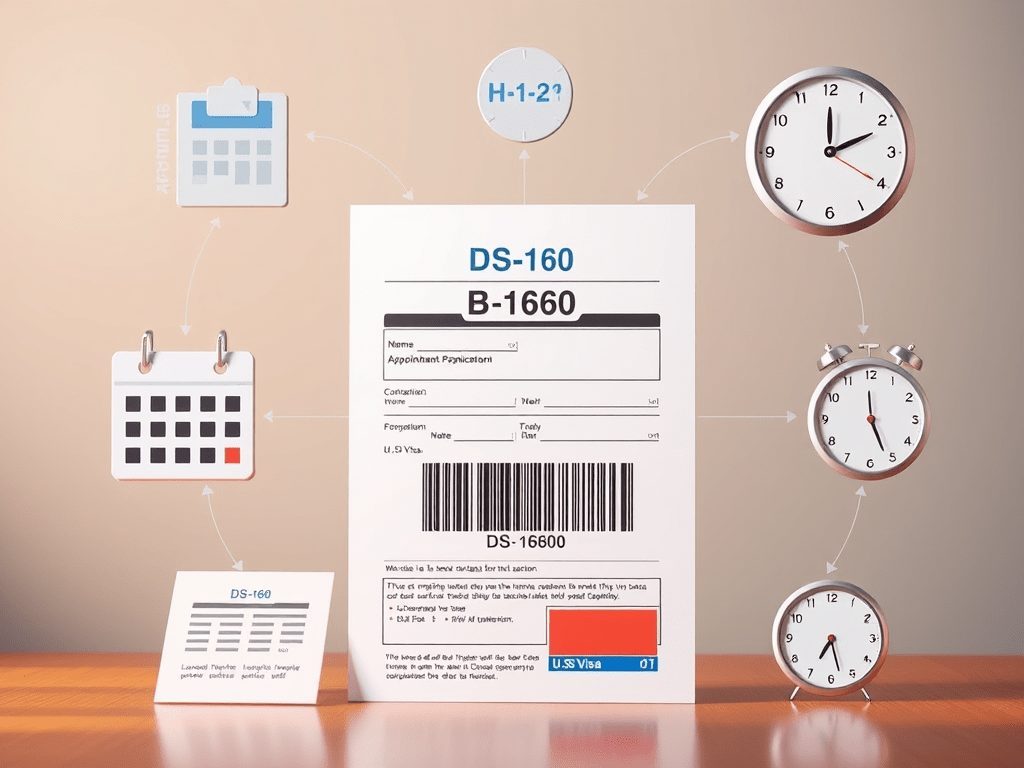
- Complete the DS-160.
- Pay the MRV fee.
- Book the first available regular appointment.
- Submit an online expedite request through the official portal with supporting evidence.
If the request is denied, your original appointment stays as is. So a well-prepared request is low-risk—as long as your reason is genuinely urgent and well documented.
When an expedite is a bad idea
Consulates are very clear that the following are not valid reasons for an emergency appointment:
- Weddings, graduations, or family celebrations.
- Routine tourism or annual conferences.
- Trips you planned late, knowing wait times were long.
Submitting a weak or exaggerated emergency request can hurt your credibility. In extreme cases, false claims can lead to serious immigration consequences. I’d only request an expedite if you’d be comfortable explaining your situation under oath, with documents in hand.
4. Protect Your Application: DS-160, Fees, and New Rescheduling Rules
When your U.S. visa appointment is over a year away, your application has to “age well.” Think of it as application maintenance
while you wait.
DS-160: it doesn’t expire, but your life changes
There’s a common myth that the DS-160 expires
after a year. It doesn’t. What matters is that the information is accurate on the day of your interview.
If something significant changes before your interview, I’d:
- Submit a new DS-160 with updated information.
- Update the DS-160 confirmation number in your appointment profile.
This does not cancel your appointment. It just makes sure the consulate sees the correct data. I’d update if you have:
- A new passport or passport number.
- Major changes in employment, education, or marital status.
- New U.S. travel history, prior visa refusals, or arrests.
MRV fee and rescheduling limits
The visa fee (MRV) usually has a limited validity for scheduling—often one year, though local rules can differ. On top of that, newer rules in many places limit how often you can reschedule without paying again.
- In many countries, you can reschedule only once without a new fee.
- Missing your appointment or trying to change it again may mean paying a fresh MRV fee.
So treat your appointment like something scarce:
- Choose your date carefully before confirming.
- Avoid casual rescheduling just because a slightly better date appears.
- Don’t be a no-show unless you’re prepared to repay and start over.
5. Plan B: Alternative Travel and Study Options While You Wait
If your U.S. trip is time-sensitive and your interview is 12–18 months away, that delay might effectively be a no
for this particular plan. It hurts—but it also opens up a better question:
What can you do instead that still moves your life forward?
Instead of letting a long U.S. visa appointment backlog freeze everything, you can design a backup plan.
For students
If your F-1 or J-1 interview is far beyond your program start date, talk to your school early about options:
- Deferring admission to a later term and updating your I-20/DS-2019.
- Exploring online or hybrid options from abroad (if allowed by the school and visa rules).
- Applying to programs in countries with shorter visa wait times (Canada, UK, EU, Australia, etc.).
It’s not the same as going to the U.S. right now, but it keeps your academic path moving instead of losing a full year.
For tourists and family visitors
If your B1/B2 interview is a year away and your trip was tied to a specific event—wedding, graduation, a new baby—you may have to accept that you’ll miss it. That’s tough, but you still have options:
- Keep the appointment as a long-term option for future travel.
- Plan alternative trips to countries with easier entry while you wait.
- Use the time to build stronger ties to your home country (job, property, studies), which can help your future visa case.
Many people quietly do this: they plan a backup trip while waiting for a delayed U.S. visa interview, so the year doesn’t feel wasted.
For business and work-related travel
If you’re aiming for a work or business visa and the consular wait time ruins your timeline, consider:
- Remote collaboration instead of in-person meetings.
- Meeting partners or colleagues in regional hubs (Europe, Dubai, Singapore, etc.).
- Alternative immigration routes—work visas in other countries—that still move your career forward.
The mindset shift is key: instead of waiting passively for a year, you design a Plan B that still builds your education, career, or relationships.

6. What If Your Life Changes Before the Interview?
With a long wait, one thing is almost guaranteed: your life will change. New job, new city, maybe a new passport. The question is how to handle those changes without creating problems in your case.
Here’s how I’d approach the most common situations.
New passport
- Update your DS-160 with the new passport details.
- Update your appointment profile with the new DS-160 confirmation number.
- Bring both old and new passports to the interview if the old one has visas or travel history.
New job, studies, or marital status
- File a new DS-160 reflecting your current situation.
- Bring documentation: employment letters, enrollment proof, marriage certificate, etc.
- Be ready to explain the changes clearly and calmly at the interview.
New travel history or immigration events
- If you’ve been refused a visa elsewhere, overstayed somewhere, or had any immigration issue, you must disclose it accurately.
- Again, a new DS-160 + updated profile is the cleanest way to handle this.
Consular officers care more about honesty and consistency than about how old your original form is. Trying to hide changes is far riskier than updating your information.
7. How to Use the Waiting Year Strategically (Not Just Stressfully)
A year-long wait can feel like punishment. You check the portal, nothing moves, and the frustration builds. Instead of letting that year be pure stress, you can turn it into a preparation window.
Strengthen your ties to home
For most nonimmigrant visas, officers are quietly asking themselves: Will this person really come back?
You can’t control their decision, but you can strengthen your story:
- Stable employment or a clear career path at home.
- Ongoing studies or professional training.
- Property, business, or family responsibilities that anchor you.
Clean up your documentation
Use the waiting time to get your paperwork in order so you’re not scrambling right before the interview:
- Gather financial documents and proof of income or sponsorship.
- Organize travel history, prior visas, and any supporting letters.
- Review your DS-160 answers so you can talk about them confidently.
Mentally rehearse the interview
Long waits can make people overthink and sound nervous or inconsistent. A bit of practice helps.
I’d rehearse, in simple language:
- Why you’re going.
- Why you’re going now (or at that particular time).
- Why you’ll return to your home country.
Write your answers down. Say them out loud. You’re not memorizing a script—you’re clarifying your own story so it comes out naturally when the officer asks.
8. When to Get Professional Help (and When You Don’t Need It)
Not everyone needs a lawyer or consultant. But some people absolutely do, especially when the stakes are high and the timeline is tight.
I’d seriously consider professional help if:
- You have prior visa refusals, overstays, or immigration violations.
- You’re applying for complex categories (O-1, EB-2 NIW, certain work visas).
- Your case involves sensitive issues (criminal history, security-related work, complicated family situations).
A good immigration lawyer or reputable advisor can:
- Help you decide whether to push for an expedite or not.
- Review your DS-160 for consistency and potential risk points.
- Map out alternative routes if the U.S. timeline simply doesn’t work.
On the other hand, if your case is straightforward—tourism, a simple family visit, or a standard student visa with a clean history—you may not need paid help. Stick to official sources like travel.state.gov and the official scheduling portals, and be very skeptical of anyone selling guarantees
, inside connections
, or secret ways to reschedule your U.S. visa interview to another country.
If your U.S. visa appointment is over a year away, you’re dealing with a system problem, not a personal failure. You can’t control consulate staffing or global demand. But you can control how you respond: where you apply, how clean your application is, whether you try for a legitimate expedite, and what you do with the year in between.
The real question isn’t only How do I get to the U.S.?
It’s also How do I keep my life moving forward even if I don’t?
Once you start planning around that, the long wait becomes a constraint—not a full stop.