I’ll be blunt: if you’re planning to renew or apply for a U.S. visa in late 2025, assume you’ll need an in-person interview. The generous “drop-box” and interview waiver rules from the COVID years are being rolled back hard. But in some very specific situations, you can still renew a U.S. visa without an interview and avoid a trip to the consulate.
In this guide, I’ll walk you through how the U.S. visa interview waiver 2025 rules really work, who still has a shot at skipping the interview, and the quiet mistakes that destroy eligibility before you even realize it.
1. First Reality Check: Will Interview Waivers Even Exist for You in Late 2025?
Let’s start with the uncomfortable truth. From September 2, 2025, the U.S. Department of State is sharply restricting who can skip the interview. The broad pandemic-era authority that allowed many renewals to use interview waivers is expiring by around October 1, 2025 in most places.
That means:
- Most nonimmigrant visa applicants worldwide (B1/B2, H-1B, L-1, F-1, J-1, etc.) should plan for a full in-person interview.
- Children under 14 and adults over 79 will generally no longer get automatic waivers. They’ll usually need to appear in person too.
- Only narrow categories will still see waivers: certain diplomatic/official visas and some tightly defined renewals that meet strict timing and history rules.
So before you start dreaming about a quick dropbox U.S. visa renewal 2025, ask yourself:
Is my case one of those narrow renewal or official categories?
Am I ready for the very real possibility that I’ll be called in anyway?
If your honest answer is I’m not sure
, treat the no interview U.S. visa options as a bonus, not a right. Plan for an interview; be pleasantly surprised if you don’t need one.
2. The Core Eligibility Puzzle: Do You Fit Any Remaining Waiver Category?
Even with the rollback, some U.S. visa interview waiver eligibility paths will survive into 2025. But they’re no longer broad, and they’re no longer predictable. Think in terms of narrow funnels, not open doors.
Here are the main funnels that may still exist in some form (always check your local embassy’s site):
Same-Category Visa Renewals
- You’re renewing in the same visa category (e.g., B1/B2 to B1/B2, H-1B to H-1B).
- Your prior visa expired recently. The window used to be 48 months; many posts have already shrunk it to 12 months, and that tighter window is likely to be the norm after September 2, 2025.
- You have no unresolved visa refusals and no serious immigration violations.
Miss the expiry window by even a few days? In many posts, that’s it. You’re out of the waiver path and into the interview line.
For many travelers, this is the only realistic way to get a consulate-free U.S. visa renewal in 2025.
Petition-Based Workers and Students
Some posts may still allow limited waivers for:
- H-1B, L-1, O, P, Q workers
- F-1 students and J-1 exchange visitors
But the conditions are tight. Typically, you must:
- Have held a prior nonimmigrant visa in the last 48 months.
- Have no derogatory information (no overstays, no revocations, no serious security flags).
- Be applying in your country of residence or nationality, as required by the new location rules effective September 6, 2025 (official source).
For students and workers, this can be the difference between a simple U.S. visa renewal by mail 2025 and a stressful last-minute trip for an interview.
Diplomatic and Official Visas
These are the most likely to retain interview waivers: A, G, and some other official categories. If you’re in this group, your sponsoring organization usually coordinates directly with the embassy.
The key mindset: eligibility is now post-specific and time-limited. What was true in 2023 or 2024 may be completely wrong for late 2025, especially for B1 B2 visa interview waiver 2025 cases.
3. Timing Is Everything: The 12-Month Trap and Planning Backwards
Most people lose U.S. visa interview waiver eligibility not because of some dramatic mistake, but because they misjudge timing.
Here’s how the timing trap usually works:
- Your visa expires.
- You assume you have “plenty of time” to renew.
- You wait 13–18 months.
- You discover the waiver window is 12 months (or less) at your post.
- Result: you’re forced into a full interview, possibly with long wait times.
To avoid this, plan backwards:
- Check your visa expiry date right now.
- Subtract 6–8 weeks for processing and travel planning.
- Subtract another 4–8 weeks for appointment availability (or more in high-demand posts like India, Mexico, or major EU cities).
- Now ask:
Am I still inside the waiver window, or am I already too late?
For workers and students, this is even more critical. Many H-1B and F-1 travelers are being advised to build in at least 6–8 weeks for renewals, sometimes more, because a forced interview can derail work or study plans.
In other words, the U.S. visa interview waiver processing time is only part of the story. You also have to factor in appointment backlogs if you lose waiver eligibility.
4. Country-by-Country Reality: Why Your Friend’s Experience May Not Apply to You
One of the biggest mistakes I see is people copying someone else’s strategy from a different country or year. That’s a fast way to get burned.

Here’s how the landscape is shifting in some key regions (based on recent legal and consular updates):
India
- India was the biggest beneficiary of the drop-box program for B1/B2, H-1B, and L-1 renewals.
- From late 2025, most of that flexibility is gone. Expect full interviews for most categories.
- Only a narrow slice of renewals within a tight expiry window may still see waivers, and even then, consular officers can pull you in for an interview.
If you’re hoping for a smooth dropbox U.S. visa renewal 2025 in India, double-check the consulate’s current rules before you book flights or make plans.
EU/UK & Japan
- Posts like London, Frankfurt, Paris, Warsaw, Tokyo, Osaka are applying similar restrictions.
- Even low-risk, frequent travelers with clean histories should assume they may be called for interviews.
Mexico
- Some Border Crossing Card (BCC) renewals may still qualify for waivers within a 12-month window.
- But again, this is post-specific and subject to change.
The pattern is clear: local rules matter more than ever. Before you rely on any waiver strategy, go to your specific embassy or consulate’s website and read their current interview waiver page line by line.
5. The Process: How an Interview Waiver Actually Works (When You Qualify)
If you do qualify for an interview waiver, the process is usually more boring than glamorous. It’s paperwork, not magic. Here’s how it typically plays out, with small variations by country:
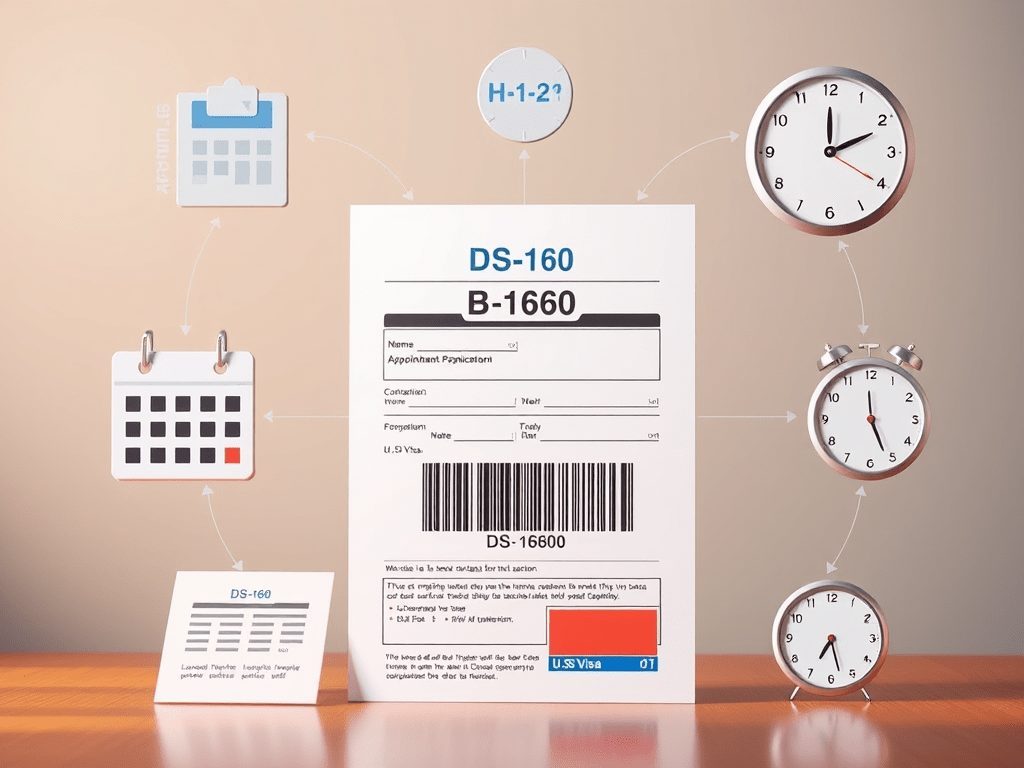
- Complete the DS-160
You fill out the DS-160 online, just like any other nonimmigrant visa applicant. No shortcuts here. Keep your confirmation number safe. - Pay the MRV fee
You pay the visa fee (often around $185 for many categories, but check your post). In some countries, you pay via local banks or online systems; in others, it’s integrated into the portal. This is usually the main cost of U.S. visa interview waiver, aside from courier or service fees. - Create or log into the visa portal
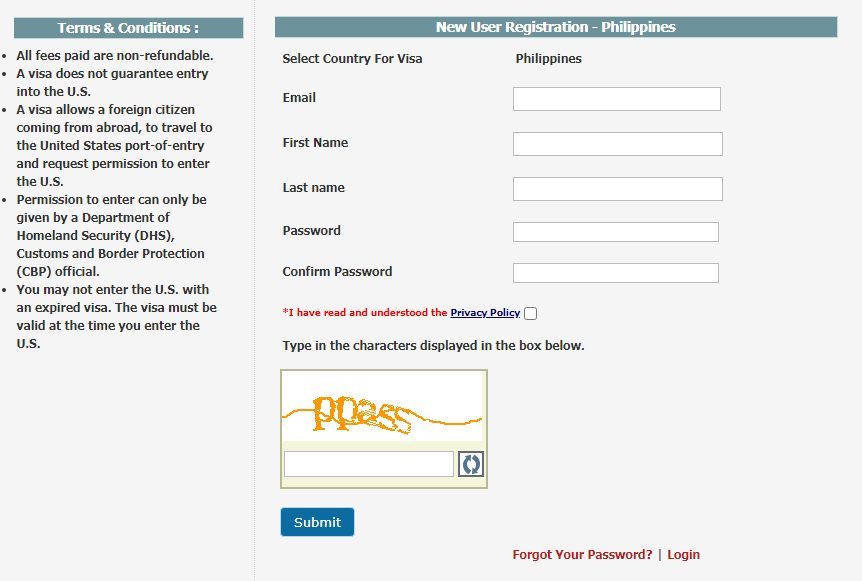
On the country-specific visa portal, you answer a series of eligibility questions. This is where the system decides whether you’re routed to an interview or to the waiver path. - Get an Interview Waiver confirmation (if eligible)
If the system says you qualify, you’ll usually get an Interview Waiver Confirmation Letter or similar instructions. Print it. Read it carefully. - Submit your documents
You send your passport, photos, DS-160 confirmation, prior visa, and any supporting documents via courier, mail, or a drop-off center. No interview, no biometrics appointment in many cases. This is what people often call U.S. visa renewal by mail. - Wait for processing
Typical timelines range from 2–6 weeks, but can be shorter or longer depending on the post. Administrative processing can stretch this further.
And here’s the part many people ignore: even if you’re on the waiver track, the consulate can still say, We’d like to see you in person.
If that happens, you’re back to scheduling an interview like everyone else.
So when you compare interview waiver vs regular U.S. visa processing, remember that the waiver route is faster only if the consulate doesn’t pull you in for an interview mid-way.
6. Common Pitfalls That Quietly Kill Your Interview Waiver
Most people don’t lose their waiver because of something dramatic. They lose it because of small, avoidable mistakes. Here are the big ones I watch for:
1. Prior Visa Refusals
If you’ve had a prior visa refusal that was never formally overcome or waived, you’re usually not eligible for an interview waiver. Even a refusal from years ago can still matter.
Many U.S. visa interview waiver rejection reasons trace back to old refusals that applicants forgot about or assumed were irrelevant.
2. Overstays or Status Violations
Any history of overstaying in the U.S., working without authorization, or other serious violations can push you out of the waiver category. Consular officers are risk-averse; they’d rather talk to you in person.
3. Misreading the Expiry Window
Thinking you have 48 months when your post has already moved to 12 months is a classic mistake. The rules changed once already and are tightening again around September 2, 2025.
4. Applying in the Wrong Country
From September 6, 2025, nonimmigrant visa applicants are generally expected to apply in their country of residence or nationality, or at designated posts if services are unavailable. If you try to game the system by applying in a third country just because you heard it’s “faster,” you may lose waiver options or face extra scrutiny.
5. Sloppy DS-160 or Inconsistent Information
Inconsistent job titles, mismatched dates, or vague travel plans can trigger doubts. When a consular officer is unsure, the safest move is to call you in for an interview.
Most of these are simple U.S. visa interview waiver mistakes you can avoid with a bit of care and honest self-audit.
7. Strategy: How to Maximize Your Chances of Skipping the Consulate
You can’t force an interview waiver. But you can make yourself a more obvious candidate for one. Here’s how I’d approach it if I were planning travel in late 2025:
- Start with the official rules, not social media
Go to travel.state.gov, then to your specific embassy or consulate’s site. Look for “Interview Waiver” or “Drop-box” pages. If it’s not written there, don’t assume it exists. - Audit your history honestly
Ask yourself: Have I ever been refused? Overstayed? Worked without authorization? If yes, build your plan around an interview, not a waiver. - Renew early within the waiver window
If your post still offers waivers within 12 months of expiry, don’t wait until month 11. Apply early, especially if you have travel or work deadlines. - Keep your story clean and consistent
Make sure your DS-160, employer letters, school documents, and travel history all tell the same story. Consistency reduces the need for an in-person conversation. - Coordinate with employers or schools
If you’re on H-1B, L-1, or F-1, talk to your HR or international office. They may have seen how your local consulate is handling waivers in real time. - Have a Plan B for an interview
Even if you look perfect on paper, assume the consulate might still call you in. Build time and budget for travel, lodging, and possible delays.
The mindset shift is important: an interview waiver is a convenience, not a guarantee. If you treat it as a bonus rather than a right, you’ll plan more realistically and avoid nasty surprises when trying to avoid a U.S. visa interview in 2025.
8. When to Get Professional Help (and When You Probably Don’t Need It)
You don’t need a lawyer to fill out a DS-160 or mail your passport. But there are situations where professional help is worth considering:
- You have a prior refusal and you’re not sure if it was “overcome.”
- You’ve had any status issues in the U.S. (overstay, unauthorized work, change of status complications).
- You’re on a tight timeline for work or study and can’t afford a misstep.
- Your case involves complex travel patterns or multiple visa categories.
In those cases, a good immigration attorney can help you:
- Assess whether you realistically qualify for a waiver under the new rules.
- Decide whether to push for a waiver or go straight for an interview.
- Prepare a clean, consistent application that minimizes red flags.
If your history is simple, your prior visa is recent, and your local consulate clearly offers waivers for your category, you can probably handle the process yourself—as long as you read the rules carefully and don’t rely on outdated advice.
In 2025, the safest strategy is this: plan for an interview, optimize for a waiver. If you end up skipping the consulate, great. If not, you’re still prepared.