I love a good flight deal. But I also hate standing at the check-in counter while an agent frowns at the screen and says, Hmm, I don’t see a ticket here.
That’s the nightmare scenario people imagine with shady airline ticket consolidators.
This guide is how I actually think about consolidators in real life: when they’re worth it, when they’re a trap, and the steps I take before handing over my credit card. If you’re going to use them, treat consolidator airfares for what they are: higher risk, potentially higher reward.
1. First Decision: Should You Even Use a Consolidator for This Trip?
Before you get excited about a big discount, ask yourself a blunt question: Is a consolidator even the right tool for this flight?
Here’s how I frame it when I’m deciding whether to chase cheap international flights through a consolidator:
- Best use case: international, long-haul flights, especially in business or first class, often within 1–2 weeks of departure. This is where consolidators can sometimes undercut published fares by 30–50%.
- Sometimes useful: international economy when published fares are very high and you’re flexible about changes and miles.
- Usually not worth it: domestic flights, basic economy, or any trip where flexibility and easy changes matter more than saving a few hundred dollars.
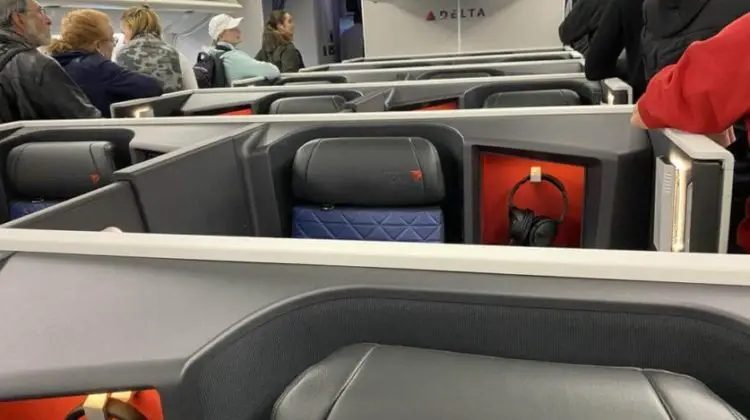
Why is that? Airline ticket consolidators exist because airlines want to quietly discount seats (especially premium cabins) without publicly slashing their official fares. That’s why you’ll see the biggest savings on long-haul business and first, not on your quick hop to Chicago.
So my rule of thumb:
- If I’m flying domestic or short-haul → I almost always skip consolidators and book direct with the airline or a trusted OTA.
- If I’m flying international in business/first and the savings are huge → I’ll consider a consolidator, but only after serious vetting.
If the price difference is small (say, under 10–15% vs booking direct), the extra risk and hassle of a consolidator ticket just isn’t worth it to me.
2. Second Decision: Is This a Real Consolidator or a Disaster Waiting to Happen?
Not all cheap-ticket sites are created equal. Some are legitimate discount bulk airfare consolidators with contracts and bulk deals. Others are basically bucket shops—or worse.
When I’m trying to decide are airline consolidators safe in this case, I look for hard proof, not just a slick website and a countdown timer.
What I want to see:
- Industry credentials: Memberships or accreditation with bodies like IATA, ASTA, USTOA, or USACA. These don’t guarantee perfection, but they’re strong signals the company is plugged into the real travel ecosystem.
- Real-world footprint: A physical office address you can verify, not just a PO box. Staff with named email addresses (not only
support@cheapflights123.com
). - Track record: Years in business, presence at trade shows, and visible relationships with multiple airlines. New, anonymous, ultra-cheap sites are where people get burned.
- Independent reviews: I check places like the Better Business Bureau, Trustpilot, Google, Yelp, TripAdvisor. I don’t panic over a few angry reviews (air travel is messy), but I do look for patterns: no tickets issued, impossible-to-reach support, surprise fees.
Red flags I treat very seriously:
- They won’t clearly list the airline name, flight number, and times before you pay.
- They dodge questions about refunds, changes, or who helps you during disruptions.
- They push you to pay by bank transfer, Zelle, or crypto instead of a major credit card.
- The price is so low it feels unreal, especially in premium cabins. When a deal looks like fantasy, I assume there’s a catch until proven otherwise.
If I can’t confidently answer, Would I trust these people with a multi-thousand-dollar ticket?
I walk away. Avoiding airline ticket consolidator scams often comes down to listening to that gut feeling.
3. Third Decision: Is the Discount Big Enough to Justify the Risk?
Let’s be honest: the only reason you’re even considering a consolidator is the price. So you need to be ruthless about comparing, especially when weighing consolidator tickets vs airline direct.
Here’s how I do it:
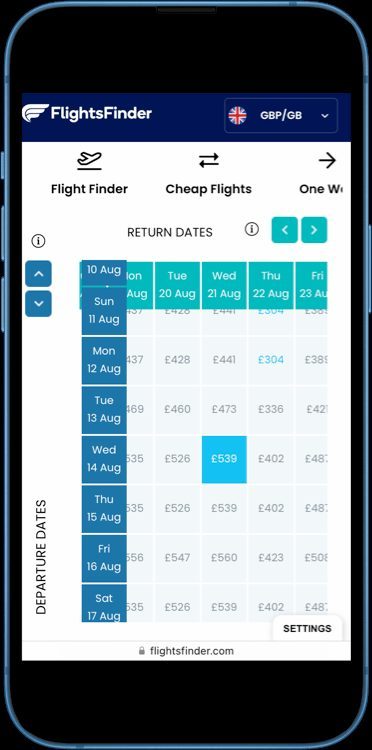
- Step 1: Search the route on multiple regular tools (Google Flights, Skyscanner, airline websites, maybe a trusted OTA).
- Step 2: Compare the consolidator’s quote against the best real alternative, not just the most expensive published fare.
- Step 3: Confirm the consolidator’s price includes all taxes and fees. Some quotes look cheap until you see the final total.
Then I ask myself:
- Is the savings meaningful for me? (For a $4,000 business-class ticket, saving $1,200 might be worth some risk. Saving $150? Probably not.)
- What am I giving up? Flexible changes? Easy support? Frequent flyer miles?
Many frequent flyers argue that standard search engines often match or beat consolidator prices now. I’ve seen that too. So I treat consolidators as a specialty tool, not my default booking method.
Sometimes I’ll even use a consolidator site just to discover routing ideas or price baselines, then book directly with the airline once I know what’s possible. That’s a smart way to save money with airline consolidators without taking on the full risk.
4. Fourth Decision: Can You Live With the Rules on This Ticket?
This is where people get burned. They see the price, ignore the fine print, and then get hit with brutal restrictions when life happens.
How consolidator airline tickets work behind the scenes is simple: the fares are often heavily restricted. Consolidator airfare risks usually show up in the rules, not the booking screen.
Consolidator fares often come with trade-offs like:
- Nonrefundable tickets: If you cancel, you eat the cost.
- Very limited changes: Changes may be impossible or come with huge fees from both the airline and the consolidator.
- Weaker mileage earning: Some tickets don’t earn frequent flyer miles or elite credit, or earn at a reduced rate.
- Minimal customer service: You’re not the airline’s direct customer. In disruptions, you may be stuck dealing with a small agency that doesn’t answer the phone.
Before I book, I literally write down or screenshot the answers to these questions about consolidator ticket change and refund rules:
- If I need to change dates: What’s the fee? Is it even allowed?
- If the airline cancels or changes my flight: Who rebooks me—airline or consolidator?
- If I miss a connection: Am I protected, or do I have to buy a new ticket?
- What’s the refund policy: in normal cases and in schedule changes?
- Do I earn miles? If that matters to you, ask explicitly.
I also want to know if they have after-hours support. Flights don’t only go wrong from 9 to 5. If their phone lines shut down at 6 p.m. local time, that’s a problem.
If the agent can’t or won’t answer these questions clearly, I assume the rules are as bad as possible and move on. Most mistakes with consolidator airfares start with skipping this step.
5. Fifth Decision: Are You Protecting Yourself Financially and Legally?
Even with a reputable consolidator, I treat the purchase like a higher-risk financial transaction. That means building in protection against the usual third party flight booking risks.
How I protect myself:
- Always pay with a major credit card. This gives you dispute rights if the consolidator fails to issue a valid ticket or goes out of business. I avoid bank transfers, debit cards, and anything that’s hard to reverse.
- Get everything in writing before paying: total price, airline, flight numbers, dates, times, baggage rules, and all change/cancellation terms. If they only want to talk on the phone and won’t email details, that’s a red flag.
- Know your jurisdiction’s protections. For example, in California,
sellers of travel
(including consolidators) must register and provide specific written disclosures before taking payment. If they’re not registered, you may be outside that safety net. - Consider travel insurance—but read the fine print. Not all policies cover consolidator tickets or agency failures. I look for coverage that helps if the airline or agent collapses or if I need to cancel for covered reasons.
One more subtle point: in some cases, if a consolidator is clearly scamming people and the airline knows it, local laws may put some responsibility on the airline. But relying on that after the fact is painful. Safe ways to book consolidator flights start with choosing carefully up front so you never have to test those laws.
6. Sixth Decision: Is Your Ticket Actually Ticketed? (Verification Checklist)
Once I book through a consolidator, I don’t relax until I’ve confirmed that my reservation is real and ticketed with the airline.
Here’s the process I use:
- Step 1: Get the airline’s record locator. This is the 5–6 character code (letters/numbers) the airline uses, not just the consolidator’s internal booking number.
- Step 2: Check directly on the airline’s website. I plug the record locator and my last name into the airline’s
Manage Booking
page. - Step 3: Confirm it’s ticketed, not just reserved. I look for a ticket number (usually starting with the airline’s 3-digit code, like 001- for American, 016- for United). If I only see a reservation with no ticket number after a day or two, I start asking questions.
- Step 4: Verify the details. Dates, times, spelling of my name, and any special requests. Mistakes are much harder to fix through a third party.
If something looks off, I contact the consolidator immediately—while I still have time to cancel or dispute the charge if needed.
This is also when I check seat assignments and baggage rules. Some consolidator fares are in odd booking classes that may limit upgrades, seat selection, or baggage allowances.
7. When I Personally Would—and Wouldn’t—Use a Consolidator
Let’s put this into real-world scenarios, because that’s usually where the decision becomes clear.
I would seriously consider a consolidator when:
- I’m booking a long-haul international business or first-class ticket that’s extremely expensive through the airline.
- The consolidator is well-established, well-reviewed, and properly accredited.
- The savings are huge (think 30–50% off), not just a small discount.
- I’m comfortable with strict rules and have a relatively fixed schedule.
- I’ve verified the ticket with the airline and I’ve paid with a credit card.
I would avoid a consolidator when:
- I’m traveling for something critical (wedding, once-in-a-lifetime event, tight connection to a cruise) where disruptions would be devastating.
- The price difference vs booking direct is modest.
- The site is obscure, new, or has a pattern of horror-story reviews.
- I need flexibility to change dates or routes.
- I care a lot about earning miles and elite status on that trip.
In other words, I treat consolidators like junk bonds
for airfare: potentially great returns, but only if you understand and accept the risk. If you’re risk-averse, booking directly with the airline (or a trusted travel agent) is usually the smarter long game.
8. Your Personal Checklist Before You Click “Buy”
Still thinking about using a consolidator for cheap international flights? Run through this quick checklist first:
- Trip type: Is this an international, long-haul flight where consolidators actually shine?
- Price gap: Have you compared against airline sites and major search engines? Is the savings truly significant?
- Reputation: Have you checked credentials, physical address, and independent reviews?
- Rules: Do you fully understand the change, cancellation, and refund policies—and can you live with them?
- Payment: Are you paying with a major credit card, with all details in writing?
- Verification: Will you verify the ticket directly with the airline within 24–48 hours?
- Backup plan: If something goes wrong, do you know who you’ll call and what your options are?
If you can confidently tick all of those boxes, then yes—using an airline ticket consolidator can be a smart way to sit in a much better seat for a lot less money. If not, it might be wiser to pay a bit more and sleep better, both before and during your trip.