I don’t book flights assuming everything will go smoothly anymore. Airlines reshuffle schedules, meetings move, visas drag on, storms roll in. The goal isn’t to avoid change. It’s to book in a way that you’re protected when change hits.
What follows is how I plan a resilient flight itinerary from the start, so schedule changes are annoying, not trip-ending.
1. First decision: Do you actually need a flexible ticket?
Before I pay extra for flexibility, I ask myself a blunt question: What is most likely to go wrong with this trip?
Flexible tickets (often sold as Flex
, Plus
, Choice
, or Fully Flexible
) usually let you change dates and times with low or no change fees. They’re a useful tool, but not automatically a smart buy.
When flexible fares are usually worth it:
- Visa or paperwork pending – student visas, work permits, residency approvals that might slip by weeks.
- Corporate or client schedules move a lot – sales trips, project launches, board meetings that often shift at the last minute.
- Peak seasons – Christmas, summer holidays, big events. You want to lock in a price now but may need to nudge dates later.
- High-risk disruption – winter storms, hurricane season, or destinations with frequent strikes or operational issues.
When flexible fares often don’t pay off:
- Short, cheap flights where the change fee or fare difference is close to the cost of a new ticket.
- Trips with fixed, immovable dates (weddings, exams, fixed school terms). If you can’t change anyway, why pay for the option?
- When a targeted travel insurance policy covers your main risk more cheaply than upgrading to a flexible fare.
To decide how to book flexible flights, I compare the extra cost of flexibility vs. the realistic cost of changing or cancelling (fees + likely fare difference). If the upgrade is $150 and a worst-case change could cost $400+, flexibility is an asset. If not, I keep the cash.
2. Understand the fine print: flexible, refundable, basic & everything in between
Airline marketing loves fuzzy words. Instead of trusting labels, I go straight to the fare rules. That’s where your real protection lives when you’re planning a resilient flight itinerary.

Here’s how I mentally sort ticket types when I’m weighing flexible vs nonrefundable flight tickets:
1. Flexible / changeable tickets
- You can change dates/times (and sometimes routes) without a penalty fee.
- You almost always still pay any fare difference if the new flight is more expensive.
- If you cancel, you usually get a travel credit, not cash back.
2. Fully refundable tickets
- You can cancel and get your money back to your original payment method.
- Often the most expensive option, but powerful if you truly need cash flexibility.
- Check whether changes are free as well, or if only cancellations are fully flexible.
3. Semi-flexible tickets
- Some flexibility, but with limits: maybe one free change, or reduced change fees.
- You’ll usually pay fare differences and sometimes partial penalties.
4. Basic Economy and similar bare-bones fares
- Cheapest up front, but usually the least flexible.
- On many airlines, you can’t change or cancel at all, or you must upgrade to a higher cabin first.
- Adding a
flexible
add-on to a basic fare can be a trap: the restrictive base rules often still dominate.
On carriers like United, Delta, and American, you’ll see a lot of no change fee
messaging. I mentally translate that to: No penalty, but you still pay any fare difference.
That difference can be hundreds of dollars if you change close to departure.
So before I click Buy, I always check:
- Can I change dates? Until when?
- Is there a change fee, or just fare difference?
- If I cancel, do I get cash or a credit? How long is the credit valid?
- Are there special rules for Basic Economy, group tickets, or third-party bookings?
Understanding these details is the foundation of protecting yourself from airline schedule changes before they happen.
3. Use flexible-date search to lower both price and risk
Two ideas often get mixed up when people talk about how to book flexible flights:
- Flexible tickets – the rules on your specific booking.
- Flexible date searches – how you search for flights across days, weeks, or months.
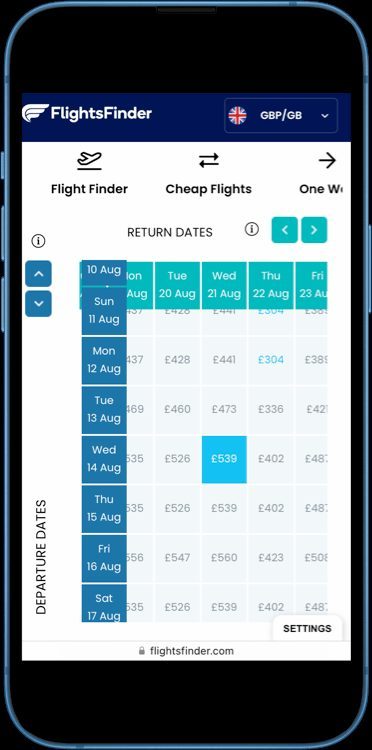
I use flexible date tools to reduce the cost of flexibility. If I can travel Tuesday instead of Sunday, I might save enough to afford a more flexible fare and still come out ahead.
Here’s how I approach it:
1. Search wide, then narrow down
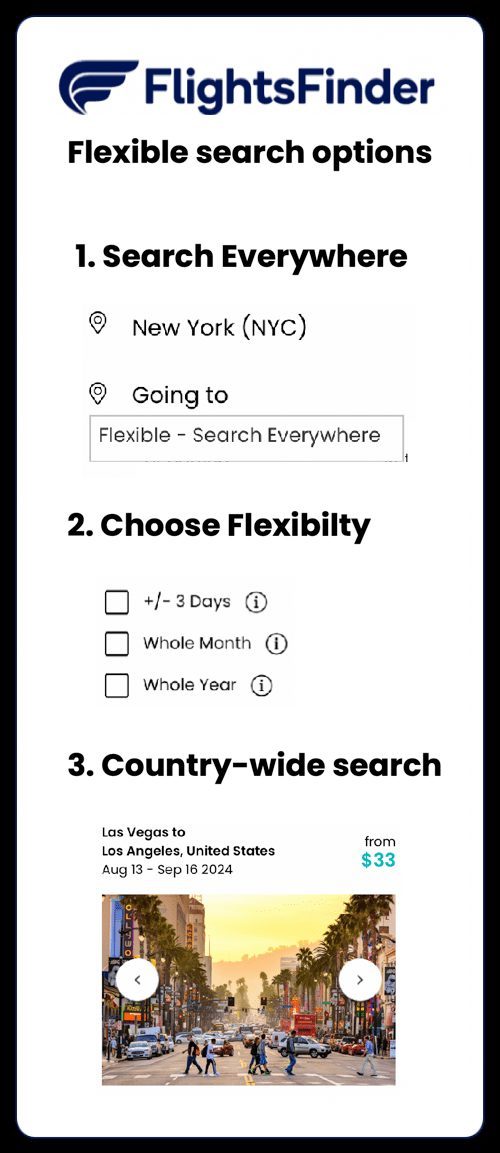
- Use tools like FlightsFinder’s flexible dates to see prices across a whole month or even a year.
- Try
Everywhere
or country-to-country searches if your destination is flexible. Sometimes a nearby city is dramatically cheaper. - Metasearch sites with color-coded calendars (like KAYAK) make it obvious which days are outliers.
2. Combine flexible dates with flexible fares
- Once I find a cheap date range, I compare the cost of a standard vs. flexible vs. refundable fare on those days.
- Flying midweek or at off-peak hours often makes the flexible fare upgrade much more affordable.
3. Don’t lock in a bad time just because it’s cheap
- If a super-cheap fare leaves at 6 a.m. from an airport 90 minutes away, I ask:
What happens if my ride falls through or there’s a transit delay?
- Sometimes paying a bit more for a later flight plus some flexibility is the safer—and ultimately cheaper—choice.
The goal isn’t just the lowest price. It’s the lowest risk-adjusted price for your situation, especially if you’re planning long haul flights with layover buffer or tight work schedules.
4. Build in protection with airline policies and holds
Even when I don’t buy a fully flexible ticket, I still use airline policies to build a safety net around my plans.

1. The 24-hour rule
- Most major U.S. airlines let you cancel within 24 hours of booking for a full refund, as long as you meet their conditions (for example, booking a certain number of days before departure).
- I treat this as a
cooling-off period
: book the flight, then confirm hotel, time off, and connections. If something doesn’t line up, I cancel within 24 hours.
2. Fare holds and locks
- Some airlines let you hold a fare for a short time. United’s
FareLock
, for example, lets you lock in a price for 3–14 days for a fee, and they also offer a free 24-hour hold on many itineraries. - I use holds when I see a good fare but still need to confirm dates with other people or wait for a meeting to be finalized.
- Paying $25–$50 to hold a complex or expensive itinerary can be cheaper than paying change fees or swallowing a big fare increase later.
3. Same-day changes and standby
- Carriers like American, Delta, and United often offer same-day confirmed changes for a reduced fee (around $75 on many routes) or even free standby on some tickets.
- Rules can be strict: same routing, same day, same fare class, and sometimes no switching from connecting to nonstop.
- If I know I might want to leave earlier or later on the same day, I check these rules before booking. Sometimes a slightly higher fare class unlocks much better same-day flexibility.
4. Watch for airline-initiated schedule changes
- If the airline significantly changes your departure or arrival time, you may be entitled to a free change or refund.
- I keep email or app alerts on. When a schedule change hits, I don’t ignore it—I use it as a chance to move to a better flight without fees.
Used well, these policies are a quiet way of protecting yourself from airline schedule changes without paying for the most expensive ticket.
5. Protect yourself from your own airline: credits, third parties & alliances
Even when you plan carefully, the system can still trip you up. I try to design my bookings so I’m not boxed in by fine print later.
1. Travel credits: useful but easy to lose
- Most changeable fares that you cancel turn into time-limited credits, often valid for around 12 months.
- I treat credits like cash with an expiry date: I note them in my calendar and a simple spreadsheet with airline, amount, and expiry.
- If I have a credit, I’ll prioritize that airline for my next trip—even if the base fare is slightly higher—because unused credits are pure loss.
2. Beware of third-party bookings
- Tickets bought through online travel agencies or consolidators can have stricter rules than the airline’s own site.
- Even if the airline relaxes change fees, the third party might still charge their own.
- For trips where flexibility really matters, I prefer booking directly with the airline unless there’s a compelling reason not to.
3. Use status and credit cards strategically
- Elite status on major airlines can reduce or waive same-day change fees and sometimes other penalties.
- Co-branded credit cards may offer trip protections, priority support, or easier access to flexible options.
- If you travel often for work, it can be worth consolidating your flights with one alliance to unlock these benefits. They’re not just about upgrades—they’re about frictionless rebooking when things go wrong.
4. Alliances and partners
- When you’re on a partner airline within an alliance, some flexibility benefits can carry over—but not all.
- I always check whether my status or fare rules apply on the specific operating carrier, not just the marketing airline.
All of this matters even more if you’re on separate tickets with same day connection risk. When something slips, you want every possible tool on your side.
6. Put it all together: a simple playbook for resilient bookings
Here’s how I actually book in practice when I want protection against schedule changes and want to avoid mistakes with tight flight connections:
Step 1: Map your risk
- List what could realistically change: dates, times, destination, or nothing at all.
- Decide whether you need full flexibility, some flexibility, or just a 24-hour safety net.
Step 2: Search flexibly, then choose your fare
- Use flexible date tools (month or year view) to find cheaper days and routes.
- Once you’ve found a good window, compare standard vs. flexible vs. refundable fares on those dates.
- Check the actual fare rules before committing, especially around change fees vs flexible fare conditions.
Step 3: Layer in policy-based protection
- Use the 24-hour free cancellation window as a planning buffer.
- Consider paid holds (like FareLock) for complex or expensive trips when you’re not 100% sure yet.
- Note same-day change and standby rules for your airline and route.
Step 4: Plan for the worst, track your assets
- Assume at least one thing will shift. How painful would that be with this ticket?
- Keep a simple record of any travel credits and their expiry dates.
- Turn on alerts so you see airline-initiated schedule changes early and can use them to your advantage.
If your risk is higher—separate tickets, long-haul flights with tight layovers, or a can’t-miss event—consider adding travel insurance for flight schedule changes on top of all this. It’s another layer between you and a very expensive bad day.
In the end, a resilient flight plan isn’t about always buying the most expensive, fully flexible ticket. It’s about knowing your risks, using the right tools, and reading the rules before they read you.
Once you start planning this way, schedule changes stop being disasters. They become just another variable you’ve already accounted for.