I don’t like leaving points on the table. If I’m buying a flight anyway, I want airline miles, OTA rewards, credit card points, maybe even a shopping portal bonus on top. The good news: you can stack a surprising number of rewards on a single ticket. The bad news: it’s easy to mess it up and earn almost nothing.
This guide walks through how to stack airline miles with online travel agency (OTA) rewards, when it’s smarter to book direct, and the common traps that quietly kill your earnings.
1. First decision: should you even book through an OTA?
Before I think about stacking airline miles and OTA points, I start with one question:
Is an OTA actually the best place to book this flight?
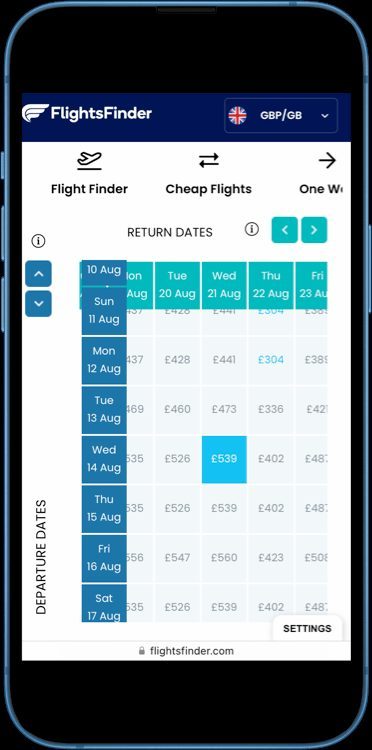
OTAs like Expedia, Orbitz, and others are great for comparison shopping. They pull in multiple airlines, show mixed-carrier itineraries, and sometimes surface odd routings or glitchy fares you’ll never see on an airline’s own site. For complex trips or when I’m hunting for a deal, I usually start there.
But there’s a trade-off:
- Booking direct with the airline usually means more reliable mileage earning, easier changes, and better access to upgrades, vouchers, and elite perks.
- Booking through an OTA can add extra rewards (like Expedia’s OneKeyCash), coupons, and shopping portal bonuses, but sometimes weaker frequent flyer mileage earning and more hassle if something goes wrong.
Most airlines still let you earn miles on OTA flight bookings, but not all. A big example: American Airlines now withholds AAdvantage miles and Loyalty Points on most OTA bookings starting May 2024, unless you use select approved agents and non–Basic Economy fares. If you care about AA status or miles, that’s a flashing warning sign. (Details: policy change breakdown.)
So my rule of thumb:
- If I care about elite status or I’m flying a picky airline (like AA post-2024), I lean direct.
- If I care more about total rebate (cash back + OTA rewards + card points) and the airline still credits miles on OTA fares, I’ll consider the OTA.
Ask yourself: What’s more valuable on this trip—status progress or raw savings?
Your answer decides where you should book.
2. Will this OTA ticket actually earn airline miles?
This is the step most people skip—and it’s where a lot of value quietly disappears.
Just because you see a flight on an OTA doesn’t mean it will earn miles the way you expect. Whether you can double dip airline miles and travel portal rewards depends on:
- Fare type: Basic Economy, consolidator fares, and some package deals (flight + hotel) may earn reduced or zero miles.
- Who issues the ticket: the airline vs a partner vs a wholesaler.
- Program rules: each airline has its own earning chart and exclusions.
From the airline’s perspective, the key is whether the ticket is an eligible published fare
. Some OTAs sell special or heavily discounted fares that look normal to you but are coded differently in the back end—and those can be ineligible for earning frequent flyer miles on third party bookings.
Here’s how I sanity-check an OTA booking before I pay:
- Check the airline’s earning chart for that fare class and route. Most airlines publish this on their site. I look up the booking class (like
O
,K
,Y
) and see how many miles or points it earns. - Confirm OTA fields: can I enter my frequent flyer number during booking? If yes, miles usually post automatically. If not, I assume I’ll have to add it later or manually request credit.
- Watch for warnings: if the OTA labels it as a
special fare
,package
, or bundles it with a cruise or tour, I assume mileage earning might be reduced or zero.
Also, make sure your name matches exactly between your ticket and your frequent flyer account. A middle initial mismatch can be enough to block automatic posting.
One more nuance: even when you book via an OTA, many airlines still credit miles based on the operating carrier and fare class, not the booking channel. That’s why checking the airline’s own rules matters more than obsessing over which OTA you used.
3. How to stack airline miles + OTA rewards on the same flight
Once I’m confident the ticket will earn airline miles, then I start stacking. A basic flight booking strategy for maximizing rewards looks like this:
Airline miles (from the flight) + OTA rewards (like OneKeyCash) + shopping portal bonus + credit card points.
Let’s use Expedia’s One Key as an example.
With One Key:
- You earn OneKeyCash on eligible bookings across Expedia, Hotels.com, and Vrbo.
- On flights, base Blue tier earns only about 0.2% back in OneKeyCash—tiny, but stackable.
- On hotels and other products, you can earn around 2% or more, with higher tiers getting better rates and perks.
- OneKeyCash spends like cash at a 1:1 value, but flights must be fully covered by OneKeyCash when you redeem, and rewards only apply to Pay Now bookings.
So on a $400 flight booked via Expedia, you might get:
- Airline miles based on fare and program (say 2,000–4,000 miles depending on rules).
- Expedia OneKeyCash worth about $0.80 (0.2% of $400).
- Credit card points (e.g., 3x–5x on travel, depending on your card).
- Shopping portal cash back or points if you clicked through a portal first.
Is that 0.2% from Expedia life-changing? No. But if I’m already using an OTA for price, routing, or coupons, I’ll absolutely take it. It’s easy budget travel using miles and OTA points—just not the main event.
The key is to treat OTA rewards as extra frosting
, not the cake. The real value usually comes from:
- Airline miles (especially if you’re building toward a specific redemption).
- Transferable credit card points (Chase, Amex, Citi, etc.).
- Occasional promos like Amex Membership Rewards + Expedia offering bonus points per flight when linked, as described in this guide.
4. Choosing the right credit card: where the real leverage is
If you only fix one part of your strategy, fix this: which card you use to pay.
Most of the time, the biggest incremental value on a flight comes from your credit card, not the OTA’s own rewards. When you compare airline miles vs OTA rewards value, the card often wins by a mile.
Some current patterns:
- Premium travel cards (like Chase Sapphire Reserve, Amex Platinum, etc.) often earn 3x–5x points on flights.
- Some cards give extra points when you book directly with airlines (e.g., Amex Platinum’s 5x on flights booked directly or via Amex Travel).
- Others treat OTAs as generic travel and still give a strong bonus (e.g., 3x on travel broadly).
So I ask myself:
- If I book direct with the airline, do I get a higher earn rate or extra perks (like free bags, priority boarding, or better travel protections)?
- If I book via an OTA, does my card still give me a good multiplier on
travel
as a category?
There’s also the classic double dip: when you pay cash for a flight directly with the airline using a rewards card, you earn both:
- Airline miles / status credit from the flight itself.
- Credit card points from the purchase.
That’s why many points enthusiasts still prefer booking direct for flights, especially when elite status matters. Direct bookings also make it easier when you’re figuring out how to combine credit card points and airline miles for future trips.
My personal approach:
- If I’m chasing elite status or flying a picky airline (like AA via OTA), I book direct and use my best airline-friendly card.
- If I’m chasing max total rebate and the airline still credits OTA tickets normally, I’m happy to book via an OTA and use a strong
travel
card that bonuses OTAs.
5. Adding shopping portals and cash back without overcomplicating it
This is where stacking gets fun—and where people either win big or waste time for pennies.
Most OTAs and airline sites are listed on shopping portals: Rakuten, airline shopping portals, bank portals, and so on. The idea is simple:
Click through a portal → land on the OTA or airline site → book as normal → earn extra cash back or points.
Tools like Cashback Monitor aggregate these rates so you can see who’s paying the most for a given merchant. For OTAs, it’s common to see:
- A few percent cash back, or
- Extra airline miles per dollar, or
- Extra bank points (e.g., Amex points via Rakuten).
So your stack might look like:
- Airline miles from the flight.
- OTA rewards (OneKeyCash, etc.).
- Shopping portal cash back or points.
- Credit card points.
That’s four layers on one ticket.
The catch? Portals can be fickle. Open a new tab, use a coupon code not listed on the portal, or switch devices mid-booking, and tracking can break. To keep it simple:
- Decide where you’re booking (airline vs OTA).
- Check Cashback Monitor or a similar tool for the best portal rate.
- Click through, complete the booking in one shot, and screenshot the confirmation.
If the portal payout posts, great. If not, I only chase it if it was a big-ticket booking.
6. When stacking is worth it—and when to walk away
It’s easy to get obsessed with stacking and forget the obvious: sometimes the cheapest, simplest option wins.
Here’s how I decide if a stack is worth the effort when I’m trying to maximize rewards on one flight:
1. Compare total value, not just price.
If an OTA is $20 cheaper but booking direct earns you significantly more miles, better card perks, and easier changes, that $20 might not be worth it. Especially if you’re close to elite status or a big redemption.
2. Watch for airline-specific landmines.
- American Airlines: most OTA tickets no longer earn AAdvantage miles or Loyalty Points. If AA status matters, I book direct.
- Package deals: flights bundled with hotels, cruises, or tours often earn reduced or no miles.
- Basic Economy: may earn fewer miles and fewer benefits, regardless of where you book.
These are classic mistakes when booking flights through online travel agencies—easy to overlook, expensive in the long run.
3. Don’t overvalue tiny OTA rebates.
0.2% back in OTA currency on flights is nice, but it’s not worth sacrificing thousands of airline miles or elite-qualifying points. I treat OTA flight rewards as a bonus, not a deciding factor.
4. Think in cents-per-point (CPP).
When I’m tempted to redeem points instead of paying cash, I do a quick CPP check: cash price divided by points used. For flexible currencies (Chase, Amex, Citi), I aim for 1.5 cents per point or better. If I’m getting less, I often just pay cash and earn more points instead.
That quick cost comparison of miles vs OTA points keeps me from burning valuable currencies on low-value redemptions.
Sometimes the smartest move is boring: book direct, use the right card, skip the OTA entirely, and keep your life simple.
7. A simple stacking blueprint you can reuse
Let’s pull this together into a practical, repeatable approach you can use for almost any flight—whether you’re casually stacking or building a full-on budget travel strategy.
Step 1: Decide your priority for this trip.
- Elite status / reliability → lean toward booking direct with the airline.
- Max total rebate / savings → consider an OTA if the airline still credits miles normally.
Step 2: Check mileage earning rules.
- Look up the airline’s earning chart for your fare class and route.
- Confirm that OTA or special fares are eligible.
- Make sure you can add your frequent flyer number and that your name matches exactly.
Step 3: Pick the right card.
- For direct bookings: use a card that bonuses
airline
orflights
(e.g., 5x on flights). - For OTAs: use a card that bonuses
travel
broadly (3x–5x on travel, including OTAs).
Step 4: Add a shopping portal if it’s easy.
- Check a portal aggregator for the best rate on your chosen site.
- Click through, book in one session, and keep a record.
Step 5: Monitor and fix.
- After the flight, confirm airline miles posted correctly.
- Check that OTA rewards and portal payouts arrived.
- If something’s missing and the amount is meaningful, submit a claim.
Follow this flow and you’ll usually end up with:
- Airline miles + possible elite credit.
- OTA rewards (if you used one).
- Shopping portal cash back or points.
- Credit card points.
All from one flight you were going to buy anyway.
8. Final thought: don’t chase every point—chase the right ones
It’s tempting to treat stacking like a game and chase every tiny rebate. I’ve done it. It’s fun—until you realize you spent an hour optimizing for $3 in value.
The real power move is to be selectively aggressive:
- Be ruthless about using the right card for flights.
- Be intentional about which airline program you’re feeding (don’t scatter miles everywhere).
- Use OTAs and portals when they add clear value, not just because they exist.
Before every booking, ask yourself:
If I do nothing fancy, what do I earn? And what are the one or two extra moves that give me the biggest boost with the least hassle?
That’s how you turn a single flight into a meaningful pile of rewards—without turning your trip into a part-time job.