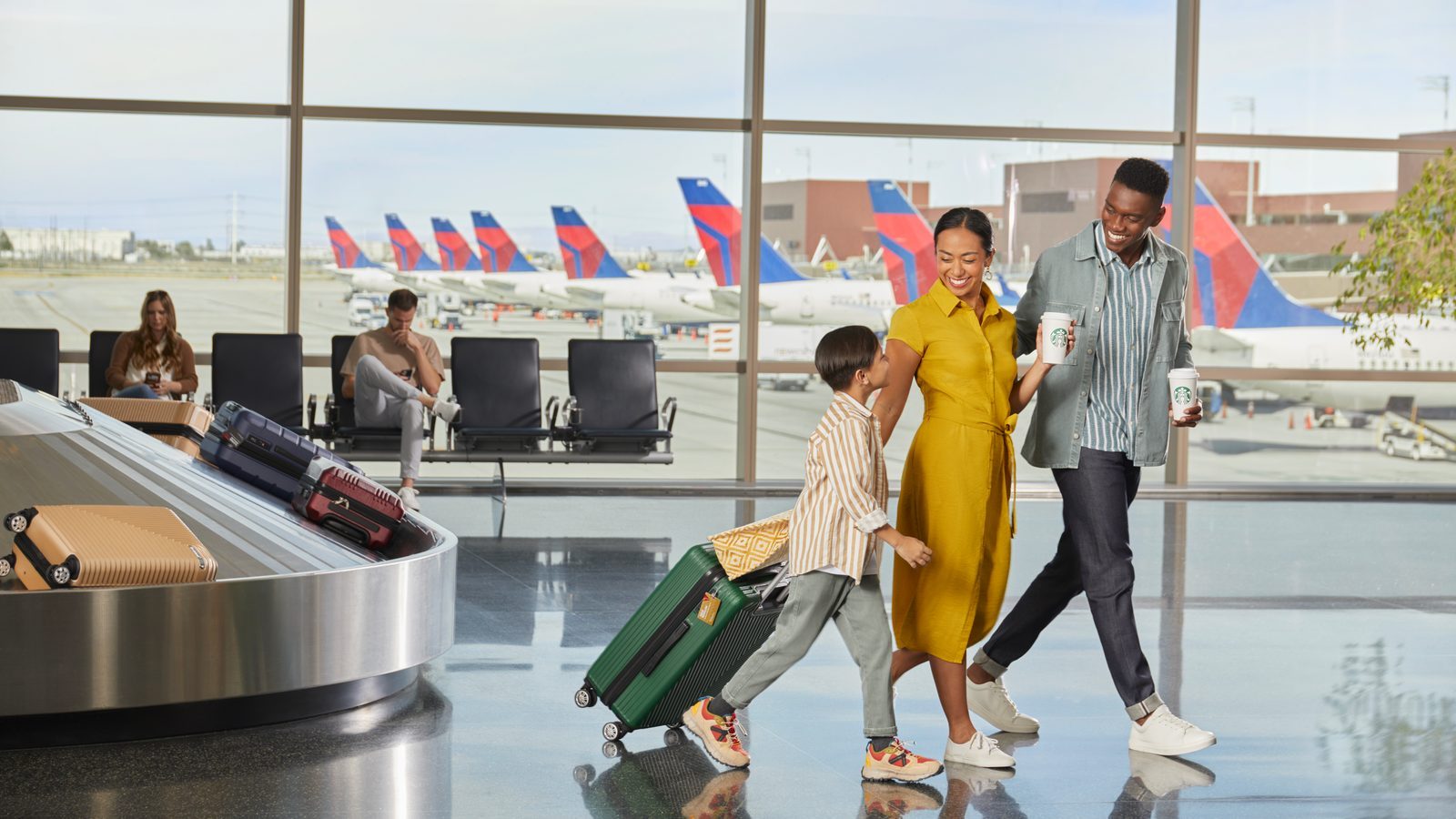
I fly a lot with my family, and here’s what I’ve learned the hard way: airlines are counting on you to panic about being separated from your kids and to pay for seats you don’t actually need. If you plan a little and stay calm, you can usually keep your family seated together on flights without paying a pile of seat fees.
Below is exactly how I think through it: when I pay, when I don’t, and how to use airline rules to get free family seating on planes as often as possible.
1. Should You Pay for Seats at Booking or Skip It?
This is where most people get trapped. You’re on the payment page, the timer is ticking, and the site flashes warnings like Seats are going fast
or You may be separated from your child
. It’s designed to make you hit Buy seats without thinking.
Here’s how I decide what to do when I’m booking and trying to avoid airline seat selection fees:
- Check if any seats are free right now. On many full-service airlines, standard economy still includes some free seat selection. If I can grab a reasonable block of seats for $0 during booking, I always do it. That’s the easiest way to book flights so your family sits together without paying extra, as noted in this breakdown of airline policies.
- If every seat costs money, I pause. I ask myself: is this a full-service airline with a basic economy fare, or a low-cost carrier where everything is extra? On many legacy airlines, skipping paid selection and waiting until check-in still gets you free seats.
- Trust the seat map, not the scare tactics. If the map shows lots of empty seats, I’m comfortable skipping fees. If it’s nearly full and I’m flying at a peak time (school holidays, Friday evenings, Sunday nights), I know I’m taking a bigger gamble.
My rule of thumb: on a major airline, not during peak holidays, and with a decent number of unassigned seats showing, I usually skip paid seat selection and let the system assign us at check-in. Over time, that’s saved us hundreds of dollars in airline seat fees for families.
2. Are You Booking the Right Airline and Fare for Families?
Before I even look at a seat map, I look at which airline and fare I’m booking. This is where a lot of families lose the game without realizing it.
Different airlines treat families very differently when it comes to how to sit with kids on a plane:
- Some airlines quietly protect kids. Carriers like Air France, British Airways, and Virgin Atlantic often have internal rules to seat children with at least one adult, even if you don’t pay. Several U.S. airlines (United, American, Hawaiian, and others) now say they’ll
try
to seat kids with an adult, sometimes even on basic economy, as discussed in this long-haul family seating guide. - Ultra-low-cost carriers play a different game. On airlines like Ryanair and some U.S. budget carriers, the whole model is built around fees. A common trick: an adult must pay for a seat, but then children’s seats are free once the adult seat is chosen. Many parents don’t realize this and pay for every seat in the row. Classic budget airlines family seating trap.
- Basic economy is often the enemy. These fares usually block free seat selection until check-in and are designed to push you into paying extra. As Going points out, avoiding basic economy can actually save money once you factor in fees and stress.
Here’s what I do before I book, especially when I want family seating without paying extra:
- Check the airline’s family seating policy. It’s often buried in the FAQ or on the DOT’s family seating page for U.S. carriers. I want to know: do they promise to seat kids 12 or 13 and under next to an adult when possible without extra fees?
- Keep everyone on one reservation. This is huge. When all family members are on the same booking record, the auto-assignment system is much more likely to keep you together. Multiple separate bookings = more chaos.
- Decide if this is a “no basic economy” trip. If I’m traveling with young kids on a long-haul or a high-stress trip, I’ll often pay a bit more for regular economy that includes better seat options and flexibility.
If an airline’s seating families together policy looks unfriendly and the fare difference to a more family-friendly carrier is small, I switch. I’d rather pay $30 more on the ticket than $200 in seat fees later.
3. How Early Do You Need to Book and Check In?
Timing is your quiet superpower. You don’t need elite status to use it.
There are two key moments that really matter if you want to keep your family seated together on flights:
At booking:
- Book as early as you reasonably can. The earlier you book, the more free seats are still available together. Multiple sources, including SmarterTravel, call this one of the most effective tactics.
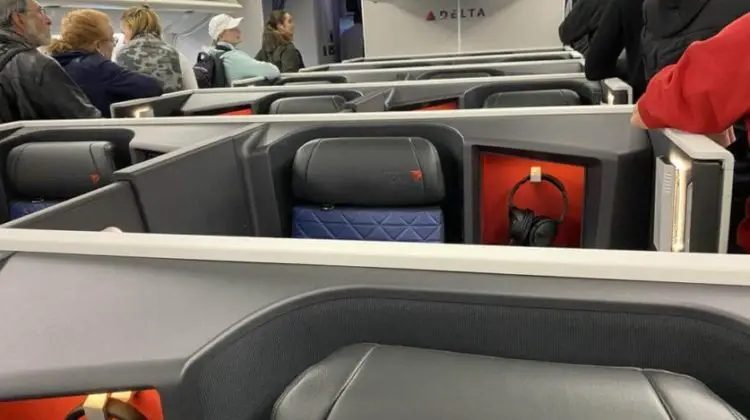
- Scan the seat map before you pay. If you see only scattered single seats left, you’re already in damage-control mode. If you see big blocks of empty rows, you’re in good shape.
At check-in:
- Check in the minute it opens. Usually 24 hours before departure, sometimes 48. I set an alarm. When check-in opens, airlines often release more seats into the free pool. This is when I’ve snagged surprisingly good seats together without paying.
- Keep refreshing the seat map. If your airline allows free changes at check-in, keep checking the map in the app or on the website. Seats open up as people upgrade, cancel, or get rebooked.
My habit: I treat check-in like trying to buy concert tickets. I’m there the second it opens, I move fast, and I don’t assume the first seat assignment is the final word.

4. What If the System Splits Your Family Anyway?
You did everything “right” and you still end up scattered around the plane. It happens. Aircraft swaps, schedule changes, and paid seat buyers can reshuffle everything.
Here’s the order I work through to fix it, from least to most stressful:
- Try to fix it online first. After booking and again a few days before the flight, I log into the airline’s site or app and check the seat map. Sometimes the system quietly opens new seats and lets me move us together for free.
- Call the airline. I keep it calm and specific:
We’re traveling with a 6-year-old and 9-year-old and the system has us separated. Can you help seat each child next to an adult without extra fees?
Phone agents often see seats that don’t show online. - Arrive early at the airport. I go straight to the check-in desk or customer service and repeat the same request. The earlier you show up, the more unassigned seats they still control.
- Ask at the gate, not just the counter. Gate agents are the last line of defense. They see no-shows and last-minute changes and can shuffle seats in ways the app can’t. I always say something like:
We’re happy to split the adults, but each child needs to be next to an adult.
In the U.S., the Department of Transportation has a family seating page and encourages complaints when families are separated unfairly. There’s also a proposed rule to require airlines to seat kids 13 and under next to an adult at no extra cost when adjacent seats are available, but it’s not fully in force yet. For now, you still have to be proactive.
One more thing: keep checking your seats. Aircraft changes can blow up your carefully chosen seats the day before travel. I always re-check the seat map the night before and again the morning of the flight.
5. How Do You Use Airline Rules and Special Cases to Your Advantage?
Airlines do have rules that work in your favor. You just need to know them—and be willing to mention them.
Situations where you have extra leverage when trying to request free family seats after booking:
- Young children. Many regulators (like the UK CAA) and airline policies strongly encourage seating children under 12 with a parent without extra fees. Even when it’s not a hard law, agents know separating a 5-year-old from their parent is a bad look.
- Passengers with disabilities. If you’re assisting a child (or adult) with a disability, you’re generally entitled to sit next to them in the same cabin without paying extra, as long as you self-identify and meet any notice or check-in requirements. In many places, this is a right, not a favor.
- Multigenerational trips. If you have elderly relatives who need extra time or help, requesting wheelchair assistance can unlock pre-boarding. That doesn’t guarantee seats together, but it reduces chaos and gives you a better shot at negotiating swaps onboard.
When I talk to agents, I keep it simple and flexible:
We’re not asking for extra legroom or special seats, just that each child sits next to an adult.
We’re happy to split the adults up if needed.
We’re willing to move to any seats that keep the kids with us.
Agents are much more likely to help when they see you’re not trying to game your way into premium seats for free—you’re just trying to keep your family seated together on flights in a reasonable way.
6. What’s Your Plan B: Swaps, Status, and Smart Tools
Sometimes, despite all the planning, you still board with scattered seats. That’s when Plan B kicks in.
Onboard seat swaps:
- Talk to the crew first. I quietly tell a flight attendant:
Our 7-year-old is seated alone in 23B. Can you help us find a swap so she’s next to one of us?
Crew members are usually very motivated to avoid a child sitting alone. - Offer a better seat when you ask other passengers. If I’m in a window and my kid is in a middle seat, I’ll offer the window to the person next to them. People are far more willing to move when they feel they’re getting an upgrade, not a downgrade.
- Be realistic. On a completely full flight, you might not get a perfect row together. My minimum standard: no young child sits alone with strangers.
Frequent flyer status and loyalty:
- Even low-tier status can unlock earlier seat selection or access to better free seats.
- If I fly one airline regularly with my family, I’ll often focus our loyalty there just for the seat-selection perks.
Seat and alert tools:
- Sites like SeatGuru help you decide if a paid seat is actually worth it. Some “extra legroom” seats are barely different from regular ones.
- Tools like ExpertFlyer’s Seat Alerts can ping you when two seats together open up. You may still have to pay on some airlines, but at least you’re paying for something you know you’ll use.
My mindset: I pull every free lever first—timing, policies, polite requests, swaps. Only if all of that fails and a child is still alone do I consider paying a last-minute fee.
7. When Is Paying a Seat Fee Actually Worth It?
Sometimes paying is the rational choice. The trick is to pay on your terms, not because a red warning banner scared you.
Here’s when I’m more willing to pay to lock in seats and avoid the usual mistakes booking seats for kids:
- It’s a long-haul or overnight flight. If we’re crossing oceans or trying to sleep, I value predictability more. I’m more willing to pay a modest fee to guarantee we’re together.
- We’re traveling at peak times. Christmas, summer holidays, Sunday evenings. If the seat map is already tight and I’m with young kids, I might pay for just the minimum configuration (for example, one adult + one child together) and let the rest fall where it may.
- The fee is small compared to the stress. If it’s $10–$15 per person on a critical trip, I’ll sometimes treat it like an insurance policy. But when fees creep into $50–$100 per seat each way, I push back hard and use every free tactic first.
What I avoid is paying for every single seat just because the booking engine scared me. Often, you can pay for one or two key seats (like the parent–child pair) and let the rest be assigned for free.
8. Your Personal Strategy: Decide Before You Click
If you want to keep your family seated together on flights without bleeding money on seat fees, it helps to decide your strategy before you start booking. Here’s the simple framework I use:
- Before searching: Decide if this is a
no-basic-economy
trip. If yes, filter those fares out from the start. - When comparing flights: Check each airline’s seating families together policy and fee structure. Favor carriers that explicitly try to seat kids with adults for free.
- At booking: Keep everyone on one reservation. Grab any free seats together. If all seats cost money, decide if you’re comfortable waiting until check-in based on the seat map and travel date.
- Before departure: Re-check your seats a few days out, then again at check-in time. Move to better free seats as they open.
- Day of travel: Arrive early, talk to check-in and gate agents, and be ready to negotiate swaps onboard if needed.
Airlines have turned seat selection into a revenue machine. But you don’t have to fund it. With a bit of skepticism, smart timing, and a clear plan, you can usually keep your family seated together on flights—and keep your money for the trip itself, not the seat map.